后门
hòu ménCommon spoken expression used by native Chinese speakers in daily life.
[Scene: 警匪刑侦]
(8 clips) 00:02
 00:02
(需要点什么 我看一下菜单) ── Previous context
“Wu, go check the back door area. [Wu Jun, Narcotics Brigade, Haizhou City Public Security Bureau]”
 00:02
(所以你就利用我) ── Previous context
“So you used me to make him think you had a "backdoor" here.”
 00:03
(我让他误会这个对我有什么好处) ── Previous context
“Did I ask you for a favor? Did I give you money? Did I even try to lobby you?”
 00:03
(行 那一起吧) ── Previous context
“Block all the doors. Don't let anyone escape. Move!”
 00:02
(在屋内 后门门口有一张椅子) ── Previous context
“Anyone coming in would have to move the bins,”
 00:03
 00:03
(我 我怎么又回来了 所以你就利用我) ── Previous context
“Did I take a shortcut through you? If you come to me, you are bribing the judge.”
[Scene: 职场工作]
(6 clips) 00:03
(他想多了) ── Previous context
“He thinks it was nepotism. After all, it's his girlfriend.”
 00:03
(记住 公事公办 公开透明) ── Previous context
“No backdoor dealings. - Got it. - Officer Ran.”
 00:03
 00:02
 00:03
(把这粮食定量给增加一点) ── Previous context
“You sure ask a lot. Use the front door. I have no back door.”
 00:03
[Scene: 其他场景]
(3 clips)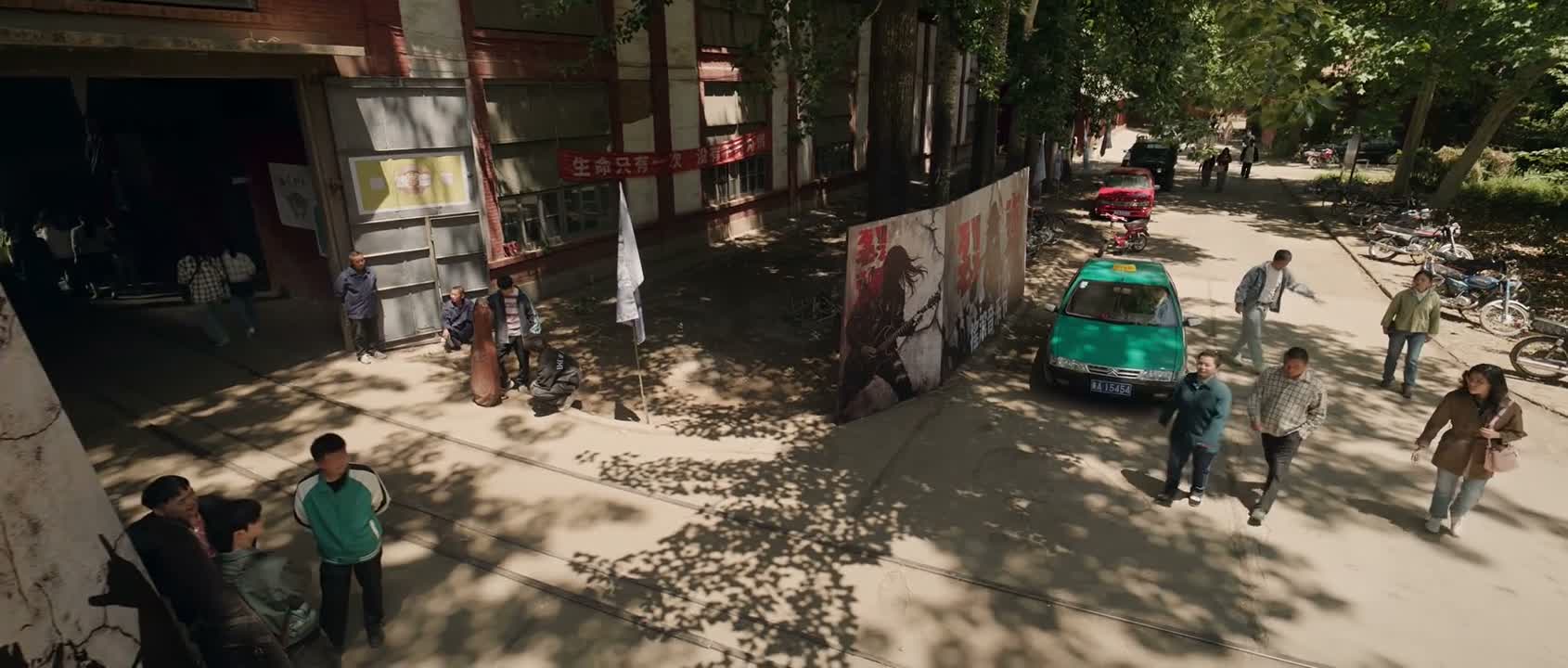 00:02
(你好好想想吧 搞不了 让一下 让一下 倒车了) ── Previous context
“Watch the car. - Leave from the back. - Drive carefully.”
 00:03
(别把馒头的事儿告诉柏庶) ── Previous context
“You're not relying on her connections. Why can't I tell her?”
 00:02
[Scene: 社交聚会]
(3 clips) 00:02
 00:03
(你怎么知道我在这儿) ── Previous context
“I was going to make a detour to the back door and buy a small piece of cake”
 00:03
(哄鬼呢) ── Previous context
“You get this handled for me, and I'll pull strings for you too.”
[Scene: 其他场景]
(2 clips) 00:03
(是他们先过分的) ── Previous context
“Mr. Meng is an honest man. How could he break his principles for them?”
 00:02
[Scene: 家庭日常]
(2 clips) 00:02
(姑娘在外头打工 你不管不问 把儿子惯成个小流氓) ── Previous context
“and now want to use connections to find him a job?”
 00:03
(这娃 对着 叫娃一个人考去 锻炼 锻炼) ── Previous context
“People would say that we pulled some strings if we accompanied her.”
📌 看好
→Nuance: 同为命令把守查看后门
📌 外人
→Nuance: 同向近义词根配对: [千万 ↔ 绝对]
📌 千万不要
→Nuance: 同向近义词根配对: [不用 ↔ 不要]
📌 人家
→Nuance: 同为规劝避免招致他人闲话
📌 不是
→Nuance: 均含质疑走后门及否定澄清
📌 你说
→Nuance: 视角转变但核心都避嫌走后门
📌 来
→Nuance: 同向近义词根配对: [医院 ↔ 病院]
📌 不要
→Nuance: 同向近义词根配对: [不用 ↔ 不要]