《About Love》 S1·E11 (02:13)
HSK 7
bù tài hǎo de fēng qì dū huì xí yǐ wéi cháng
不太好的风气都会习以为常
“bad habits become normal.”
《About Love》
S1·E11
TIMECODE: 02:13
·
1080P MASTER AUDIO
THE DIALOGUE REEL
[-1] PREVIOUS TURN
nǎ pà shì yī xiē
哪怕是一些
“even”
bù tài hǎo de fēng qì dū huì xí yǐ wéi cháng
CURRENT FOCUS
不太好 的风气都会 习以为常
“bad habits become normal.”
[+1] FOLLOW-UP TURN
dàn wǒ kàn dé chū lái
但我看得出来
“But I can tell,”
Subtitles synced to millisecond timecode
Browse Show Clips →
Scene:
Workplace
Function:
CRITIQUING SOCIAL NORMS
Tone:
REFLECTIVE
Emotion:
DISAPPROVAL
WHAT THEY REALLY MEAN (PRAGMATIC SUBTEXT)
“Just because everyone accepts this bad culture doesn't mean it's right, and I see right through it.”
💡 Cultural Insight: Calling Out Toxic Workplace Ethos (不良风气)
In Chinese organizational culture, implicit rules (潜规则) often become normalized over time, requiring conscious awareness or outside perspective to challenge.
INTENT TAGS:
#criticism
#reflection
#social_awareness
#observation
🧩
2 CHUNKS · 0 PARTICLES
LEARNING CHUNKS & PARTICLES
习以为常
SPOKEN CHUNK
to become accustomed to; to take something as normal
A very common four-character idiom used when describing situations or habits people have grown numb to.
风气
SPOKEN CHUNK
atmosphere, general mood, social ethos
Frequently used to describe organizational culture, prevailing social trends, or group habits.
🏮
2 EXPR · 1 GRAMMAR
VOCABULARY & EXPRESSIONS
COLLOQUIAL EXPRESSIONS:
GRAMMAR BLUEPRINTS:
CROSS-CINEMA CORPUS BOARD · PARALLEL SCENES
EXPLORE BY SEMANTIC SIMILARITY
Parallel Spoken Cinema Scenes (语义近邻切片)
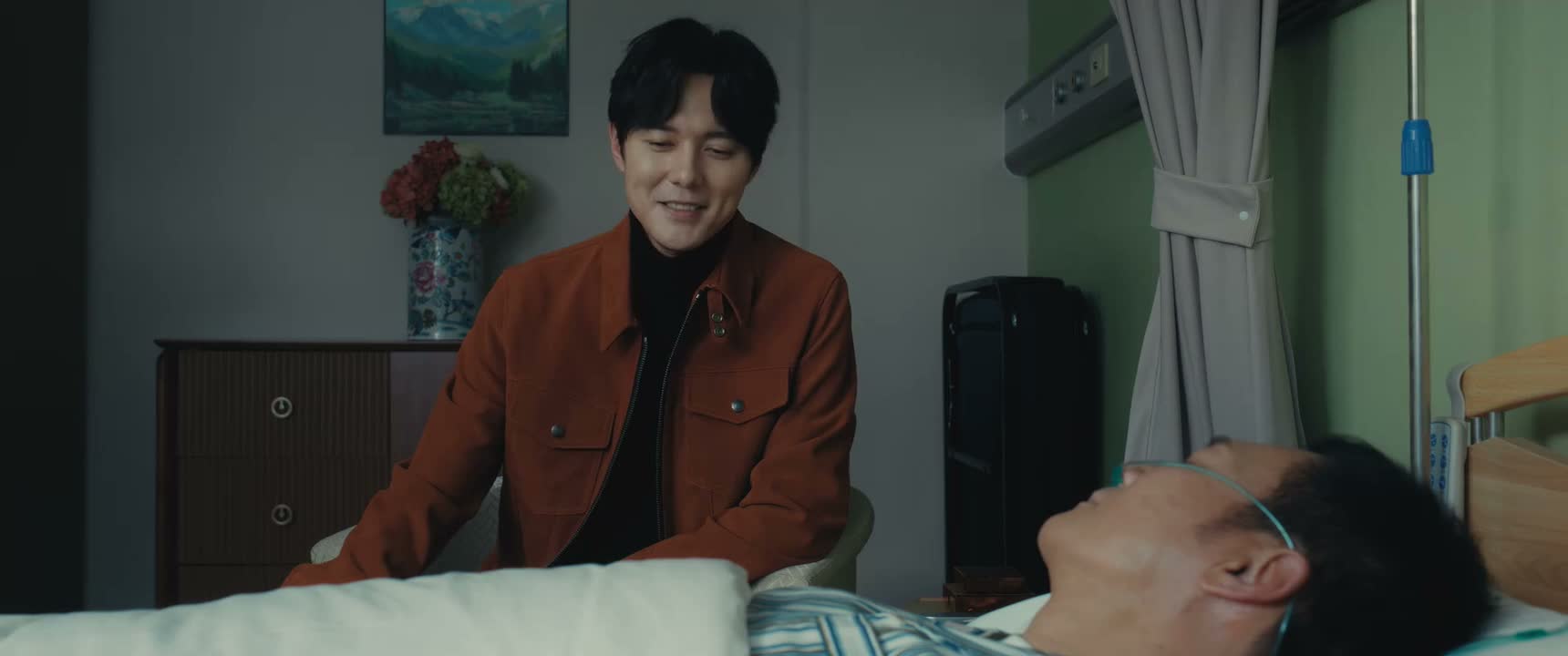
《About Love》 S1·E11 (02:13) · Authentic Cinema Dialogue Corpus