你非得走这废铁道桥吗 等会儿
“Why should we cross this bridge? We could have taken a good path. Wait up, He Yuqiong.”
THE DIALOGUE REEL
“You're way too slow. I can't do it. Why should we cross this bridge? We could have taken a good path.”
你 非得走这废铁道桥吗 等会儿
“Why should we cross this bridge? We could have taken a good path. Wait up, He Yuqiong.”
何宇穹
“Wait up, He Yuqiong.”
“I'm exhausted, stop taking such ridiculous paths and wait for me!”
Close friends in China frequently use direct rhetorical questions and complaints when out of breath without causing interpersonal offense.
LEARNING CHUNKS & PARTICLES
must insist on; have to
Commonly used in spoken Chinese to question or complain about someone's stubborn and inconvenient choice.
wait a moment
A very common colloquial Northern Chinese phrase used to ask someone to pause or wait.
Turns the statement into a rhetorical question loaded with complaint and disbelief.
VOCABULARY & EXPRESSIONS
Parallel Spoken Cinema Scenes (语义近邻切片)
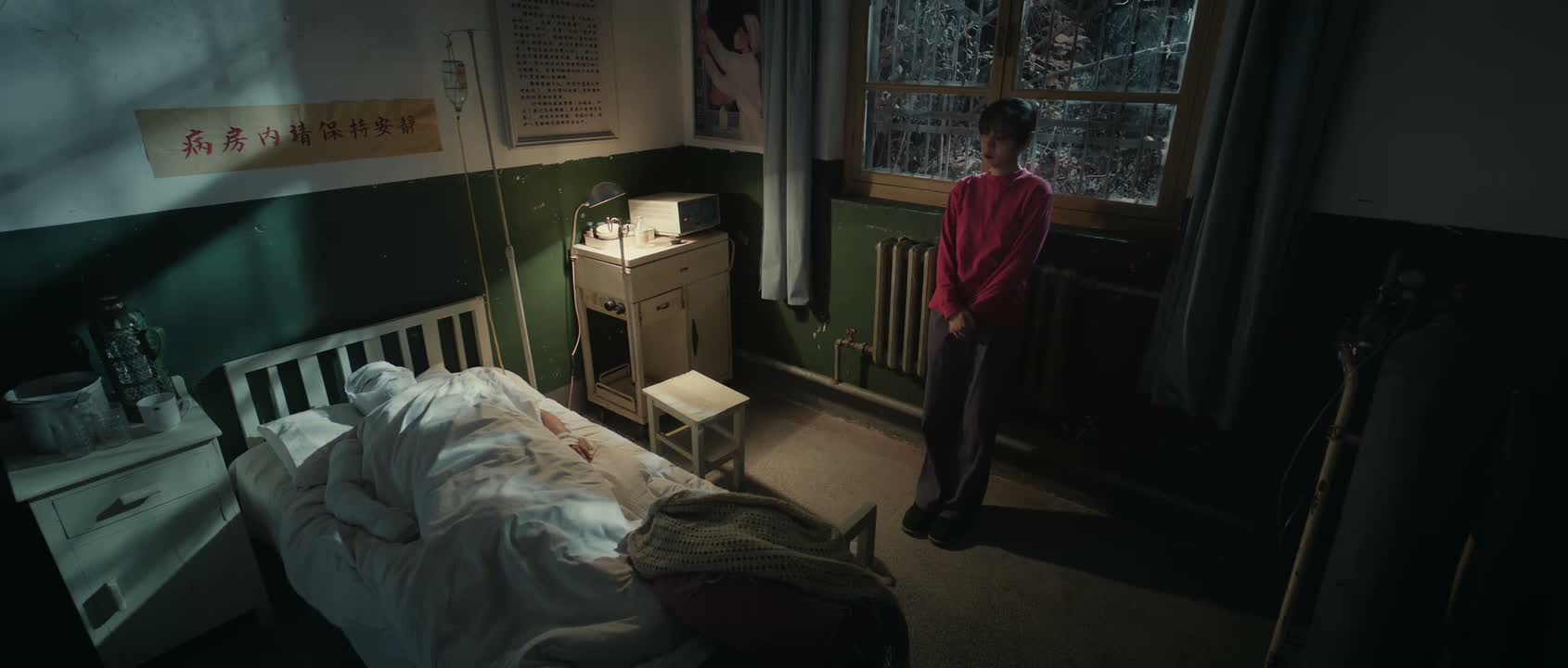
“yet you only walked the narrow bridge.”

“Didn't you say you wanted to see the other side of the bridge?”

“We'll go our separate ways.”

“From now on, you go your separate ways”

“Nah, this bridge looks just the same.”

“After this, we go our separate ways.”