大公子和长随都不见了
“and his attendant disappeared the day after we left.”
THE DIALOGUE REEL
公子 京城来信说 咱们出发的第二天
“Young Master, here's a letter from the capital. It says Young Master Qizhi”
大公子和长随都 不见了
“and his attendant disappeared the day after we left.”
为何不早来通报 护卫翻遍了京城 没找到大公子
“Why didn't you report this sooner? The guards searched the entire capital but couldn't find him.”
Direct spoken expression in this communicative setting.
In imperial China, young noblemen were accompanied everywhere by a trusted male attendant (changsui) who managed their daily logistics and safety.
LEARNING CHUNKS & PARTICLES
eldest son / eldest young master
An honorific used in historical or wealthy households to refer to the first-born son.
all went missing / are nowhere to be found
Used to describe multiple people or things having suddenly vanished.
Marks a new, alarming state of affairs that has just come to light.
VOCABULARY & EXPRESSIONS
Parallel Spoken Cinema Scenes (语义近邻切片)
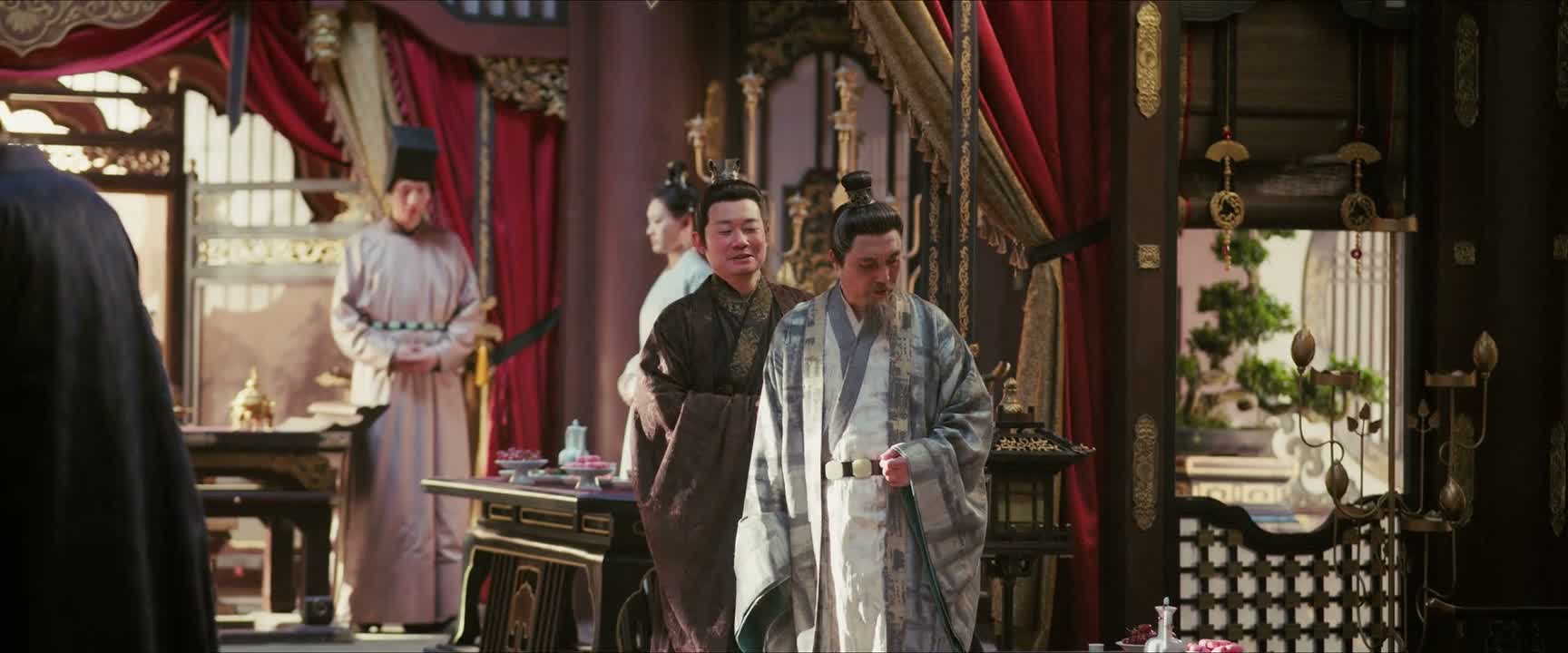
“Why hasn't the Eldest Young Master arrived yet?”

“Eldest Young Master, please don't hurt him.”

“he couldn't get close to the Eldest Young Master.”
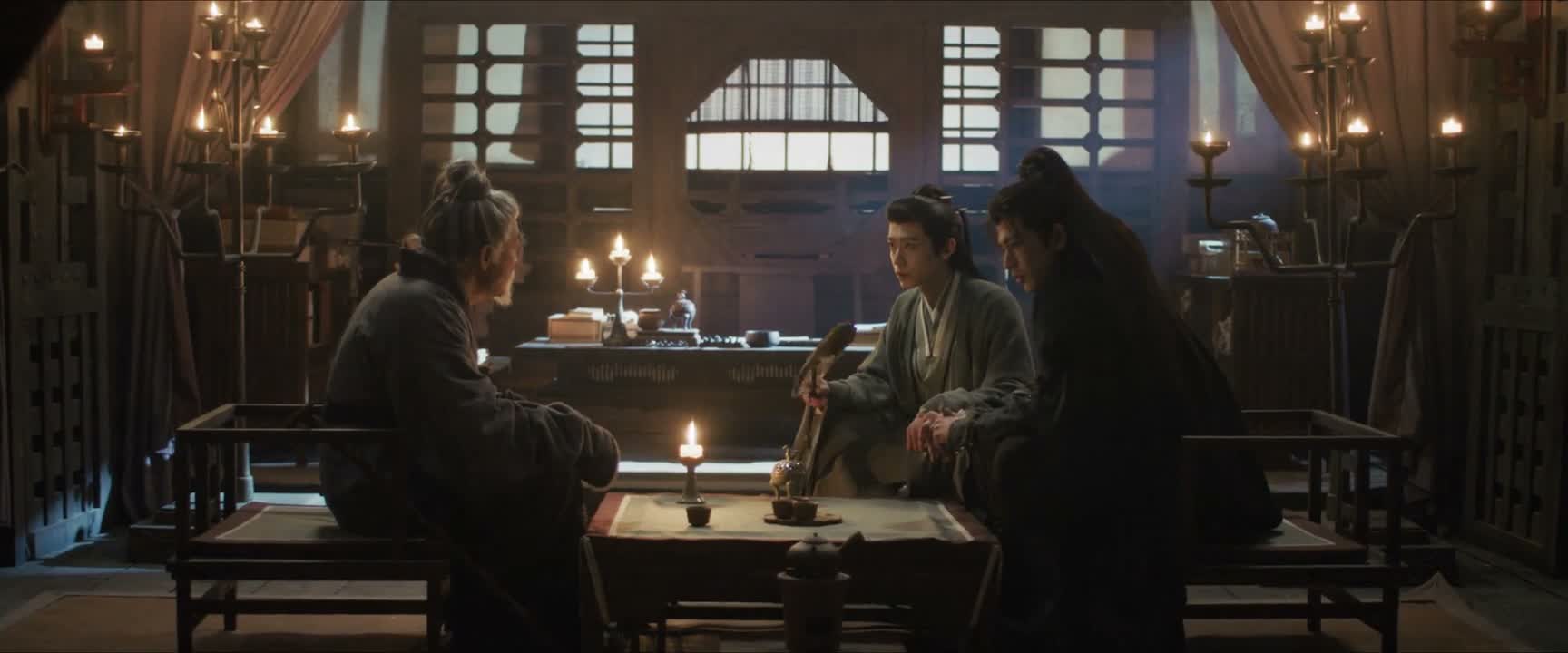
“Their eldest son was burned beyond recognition”

“I truly didn't know you were here, Eldest Young Master.”

“has the Eldest Young Master sent word?”