殿下明日 派人跟着我就好 告辞
“Your Highness, just have someone follow me tomorrow. I'll take my leave.”
THE DIALOGUE REEL
“he won't take the bait unless it's real.”
殿下明日 派人 跟着我 就好 告辞
“Your Highness, just have someone follow me tomorrow. I'll take my leave.”
公子 京城来信说 咱们出发的第二天
“Young Master, here's a letter from the capital. It says Young Master Qizhi”
Direct spoken expression in this communicative setting.
Addressing royal figures as 'Dianxia' (殿下) shows strict deference to feudal hierarchy even when suggesting tactical moves.
LEARNING CHUNKS & PARTICLES
to dispatch someone / send personnel
A common verb-object phrase used when directing staff or delegating tasks to subordinates.
to take one's leave / farewell
A formal, polite formula used in spoken Chinese and historical dramas when departing.
VOCABULARY & EXPRESSIONS
Parallel Spoken Cinema Scenes (语义近邻切片)

“I'll leave in the morning. I can't.”
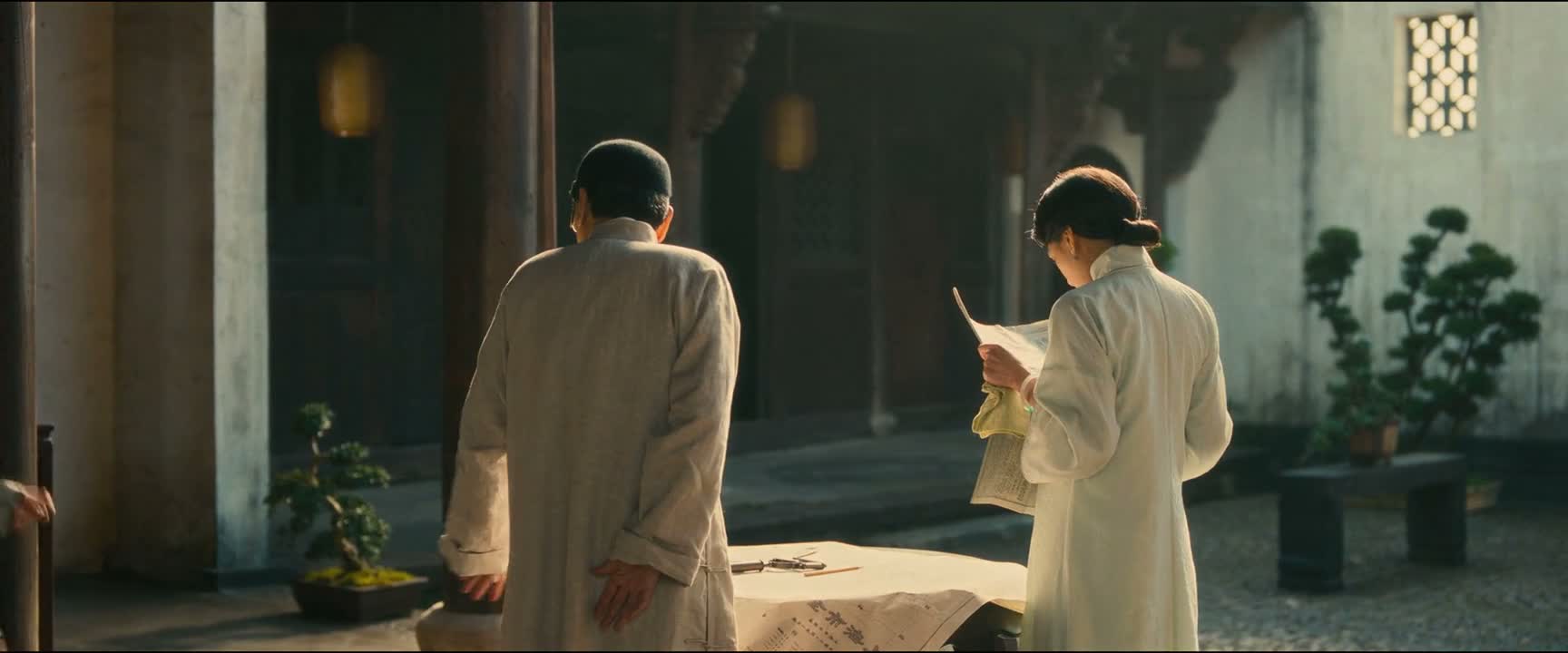
“Starting tomorrow,”

“Tomorrow, we'll use the Third Prince to remove the Crown Prince.”