告辞
gào cíCommon spoken expression used by native Chinese speakers in daily life.
[Scene: 历史宫廷]
(11 clips) 00:03
 00:02
 00:03
(监军奉的是太傅令 可别忘了 头上还有一个天子) ── Previous context
“Thank you, General, for the reminder. I shall take my leave.”
 00:03
(一饮一酌 概不相欠) ── Previous context
“Abbott, thank you for hosting me these past days. I must take my leave.”
 00:02
 00:03
(太史丞明日还有公事 这点小事 就不用麻烦你了) ── Previous context
“Alright. I'll leave it to you. I take my leave.”
 00:02
 00:02
 00:03
 00:03
(没有真饵 他怎会上当) ── Previous context
“Your Highness, just have someone follow me tomorrow. I'll take my leave.”
 00:02
[Scene: 职场工作]
(5 clips)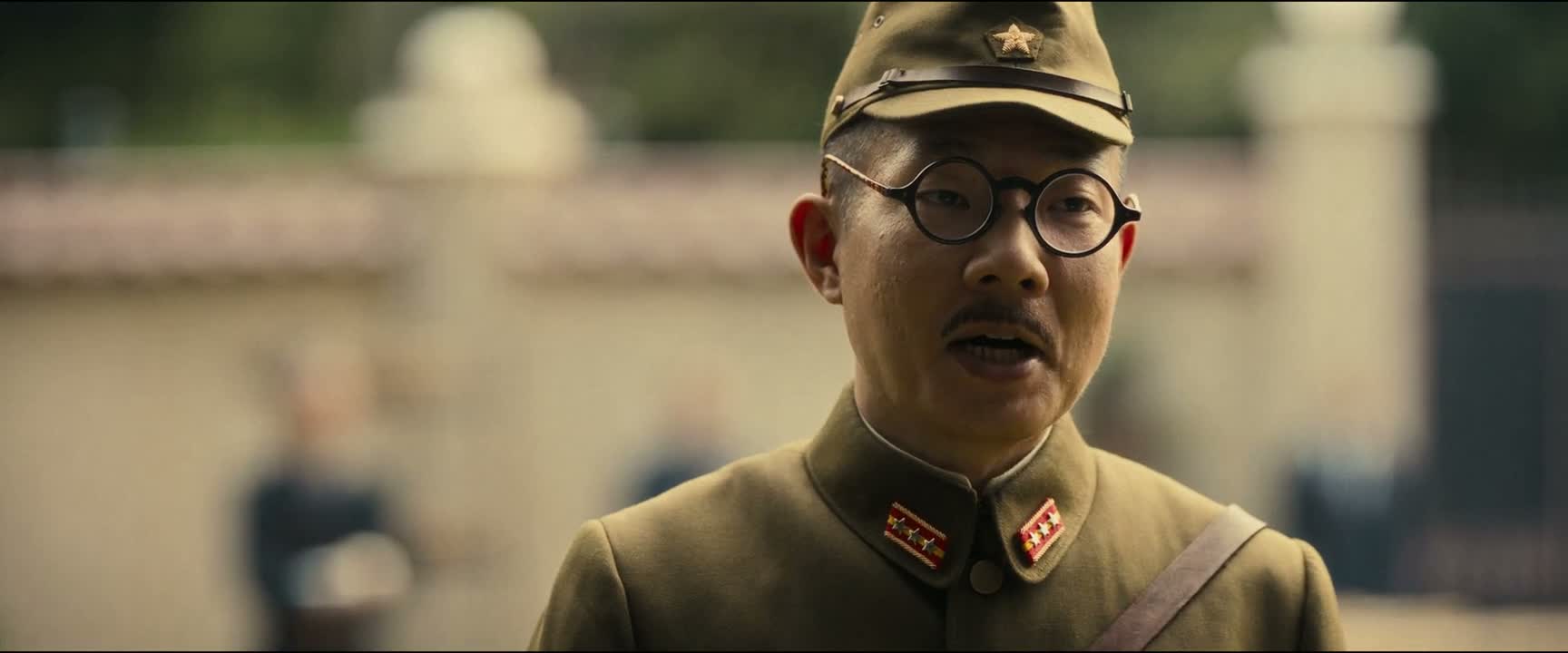 00:03
 00:03
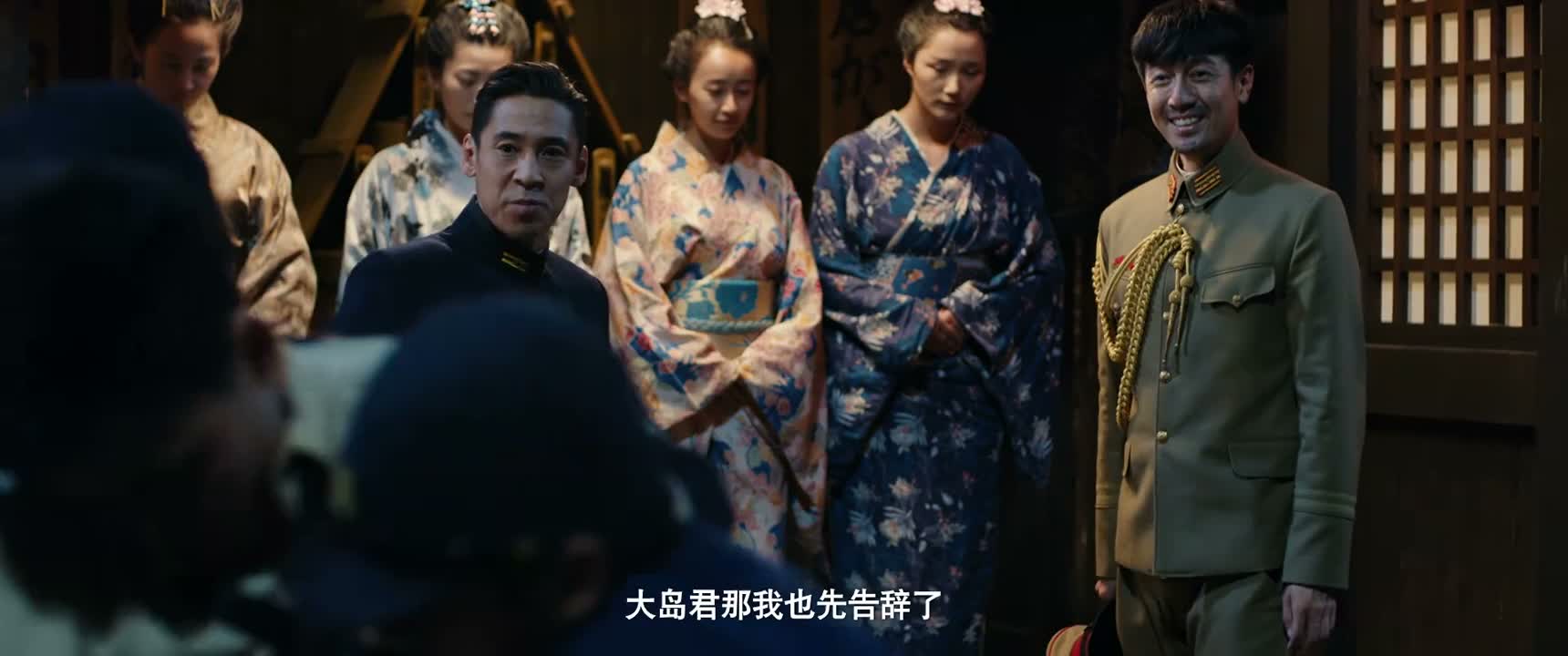 00:02
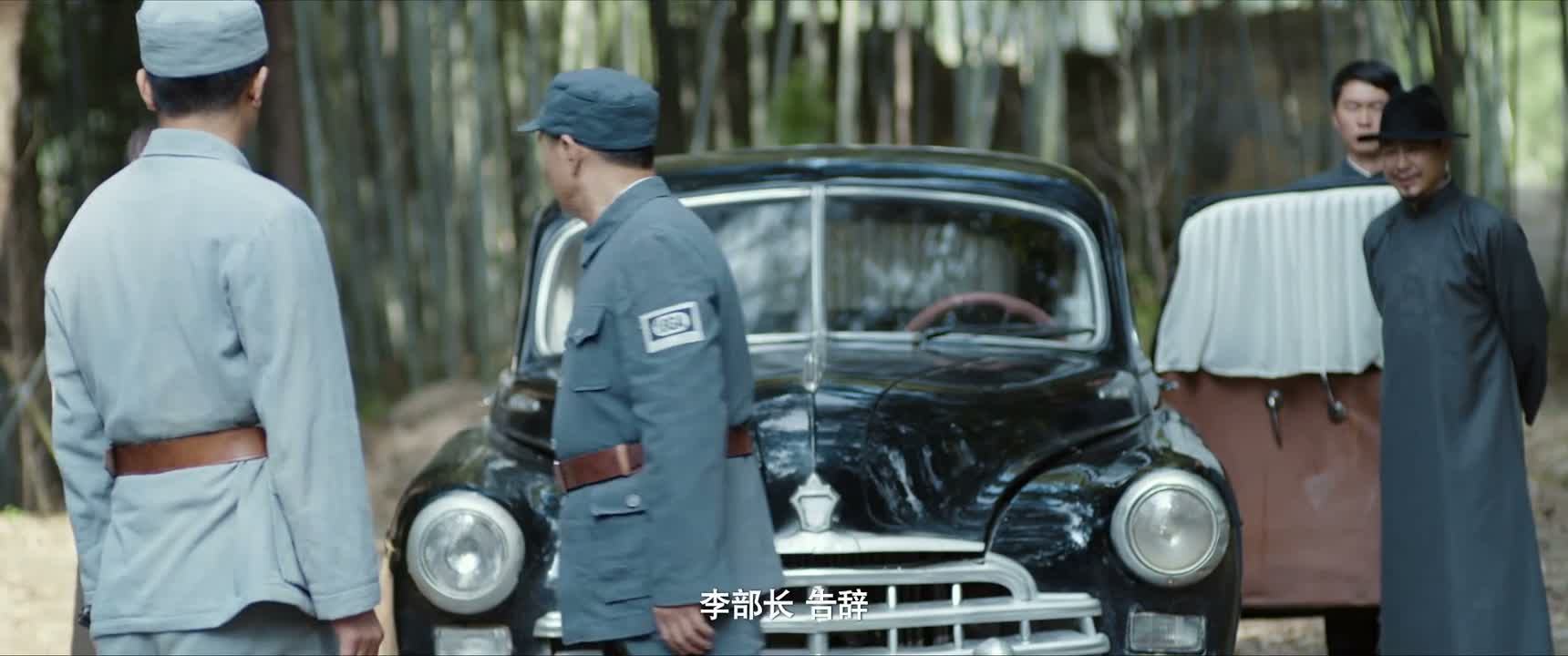 00:02
 00:02
[Scene: 餐饮美食]
(3 clips) 00:03
(举杯共饮 好好好 诸位) ── Previous context
“No need to see me out. Lord Yan, careful. We take our leave.”
 00:02
 00:03
(吃顿便饭再走吧 不了 不了) ── Previous context
“I won't disturb you. Goodbye. I'll cook today.”
[Scene: 社交聚会]
(3 clips)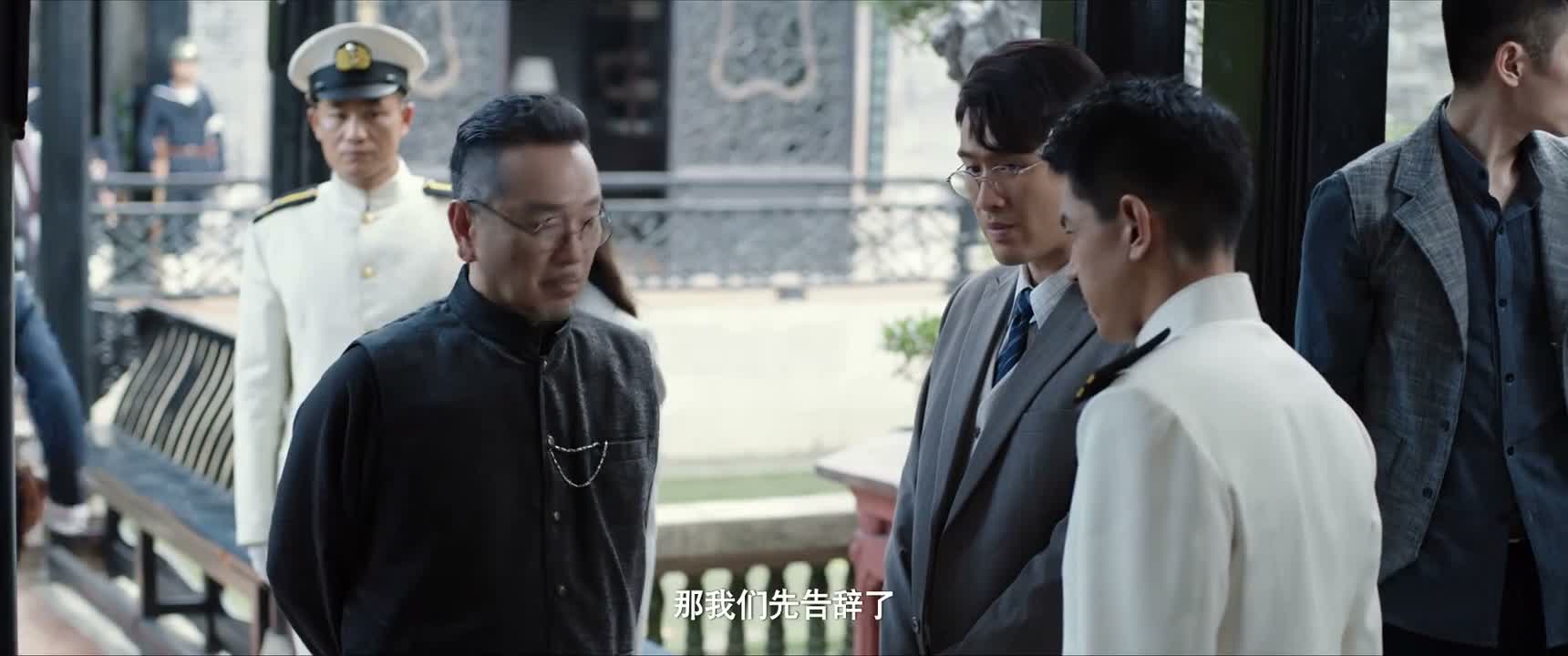 00:02
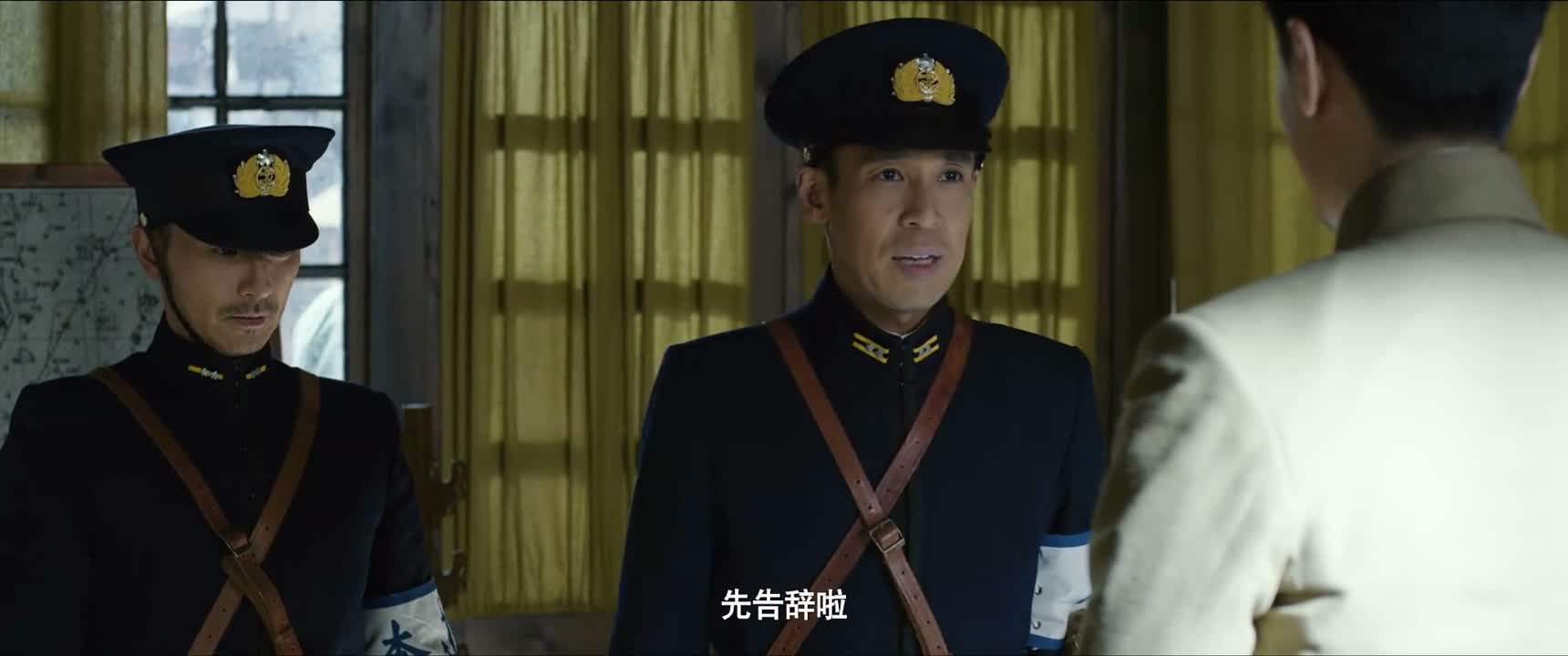 00:02
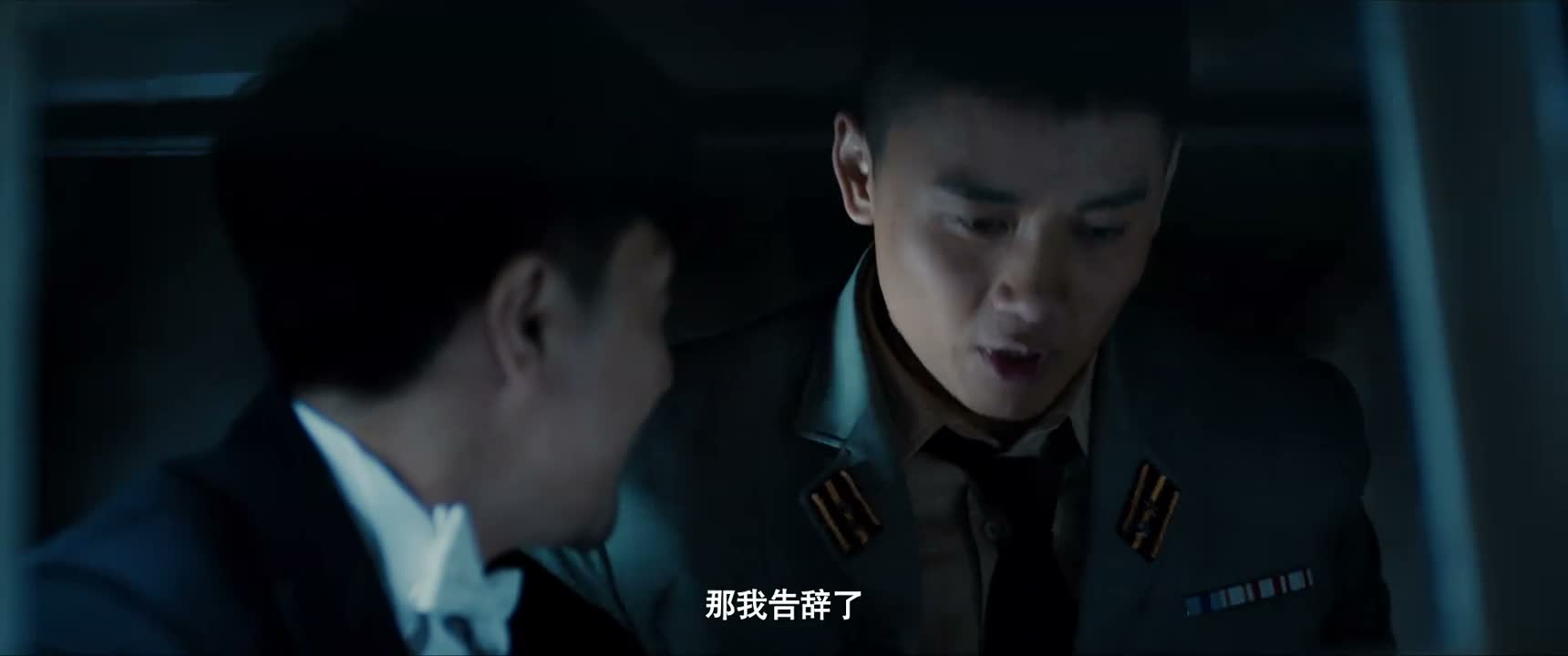 00:02
[Scene: 其他场景]
(2 clips) 00:02
 00:02
[Scene: 商务沟通]
(1 clips)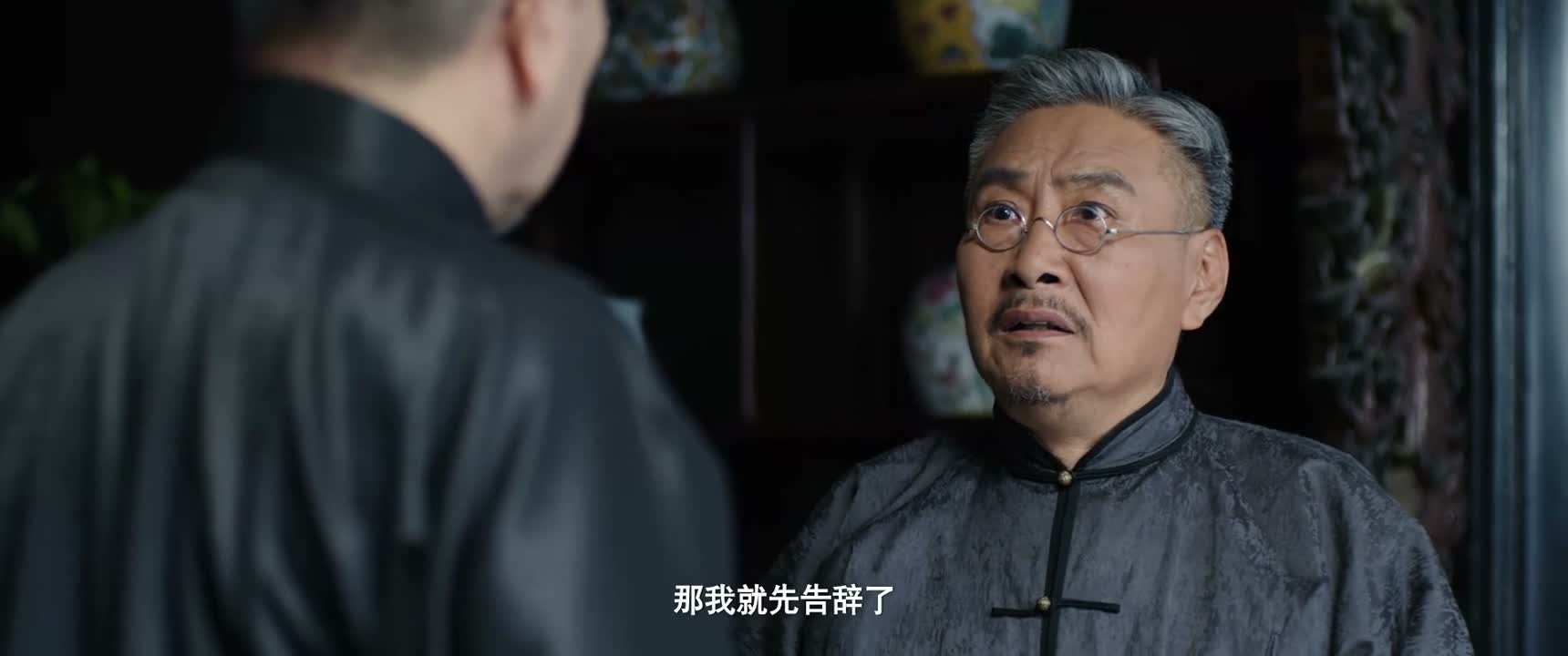 00:03
📌 好嘞
→Nuance: 对象不同但客套告辞意图一致
📌 算了
→Nuance: 同向近义词根配对: [既然 ↔ 既然如此]
📌 行吧
→Nuance: 同向近义词根配对: [时间 ↔ 时候]
📌 一个人
→Nuance: 同向近义词根配对: [时间 ↔ 时候]
📌 不好意思
→Nuance: 道别离开的更书面委婉表达
📌 就算了
→Nuance: 同向近义词根配对: [既然 ↔ 既然如此]
📌 不知道
→Nuance: 核心交际意图均为客气告辞
📌 我先走了
→Nuance: 更口语化、生活化的同义表达
📌 我先走了
→Nuance: 同为向领导礼貌道别告辞