告辞 让你走了吗
“Goodbye. Did I allow you to leave?”
THE DIALOGUE REEL
你 你们慢慢吃啊 我还有事 先 先走一步
“E-Enjoy it, gentlemen. I need to be away f-for some matters.”
告辞 让你走了吗
“Goodbye. Did I allow you to leave?”
我
“I...”
“You are not going anywhere until I say so.”
In hierarchical or tense Chinese interactions, leaving a gathering without the dominant party's implicit consent is seen as defiance or vulnerability, which an opponent may forcefully exploit.
LEARNING CHUNKS & PARTICLES
to take one's leave; goodbye (formal)
A traditional, polite way to announce departure, here echoed mockingly by the captor.
did I allow you to leave?
A highly confrontational rhetorical question used to assert authority and stop someone from walking away.
Forms a rhetorical challenge rather than a genuine question, conveying intimidation.
VOCABULARY & EXPRESSIONS
Parallel Spoken Cinema Scenes (语义近邻切片)

“Farewell. Take care.”

“I take my leave. I take my leave. Please take care.”
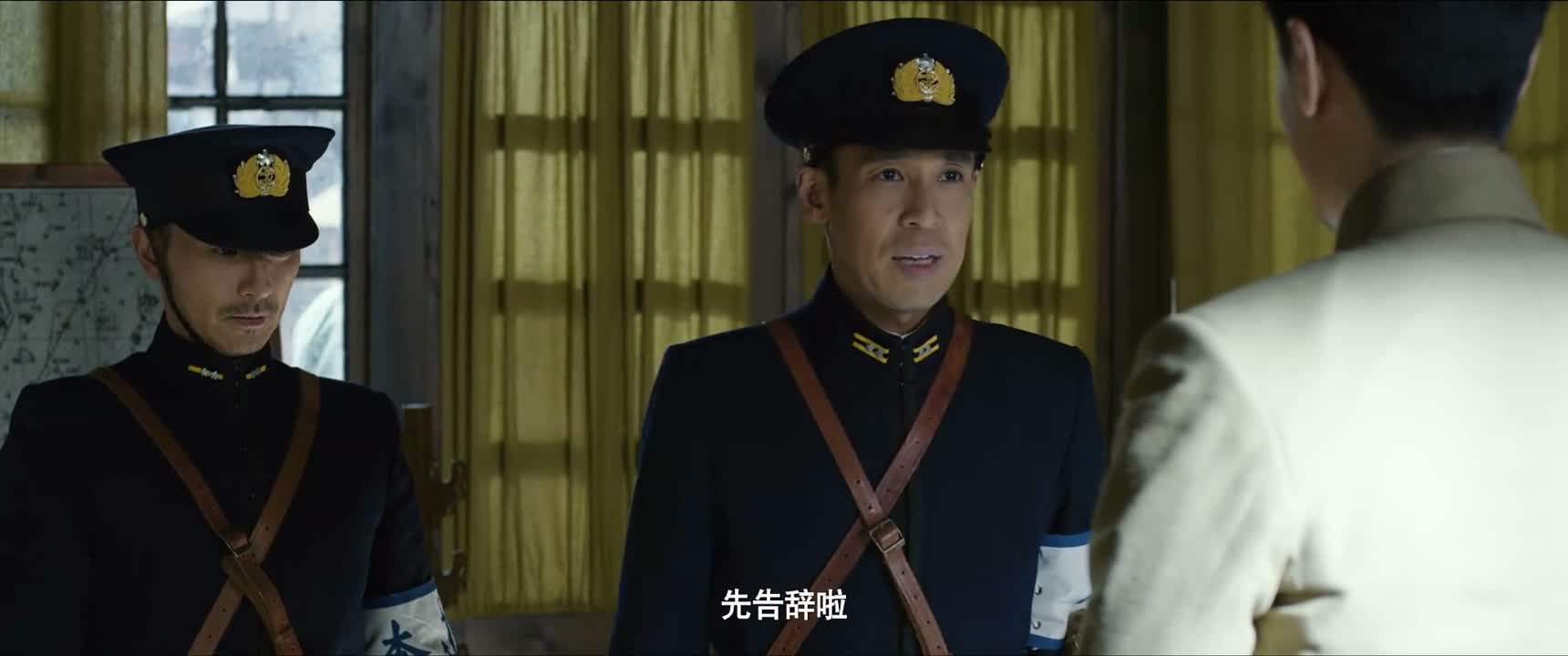
“I'll take my leave now.”

“I'll take my leave. Let me see you out. No need.”
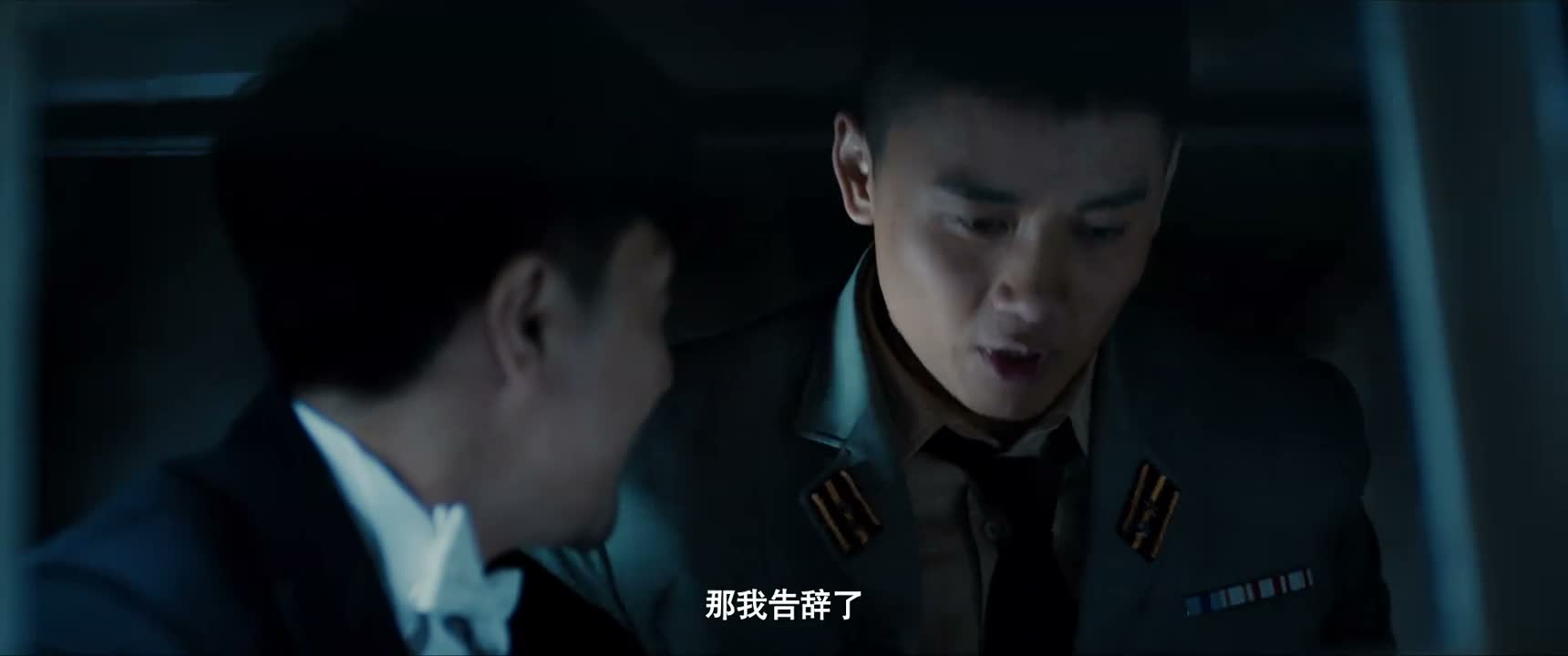
“Then I'll take my leave.”

“Then I'll take my leave first. Farewell.”