MC
MandarinClips Cinema Corpus
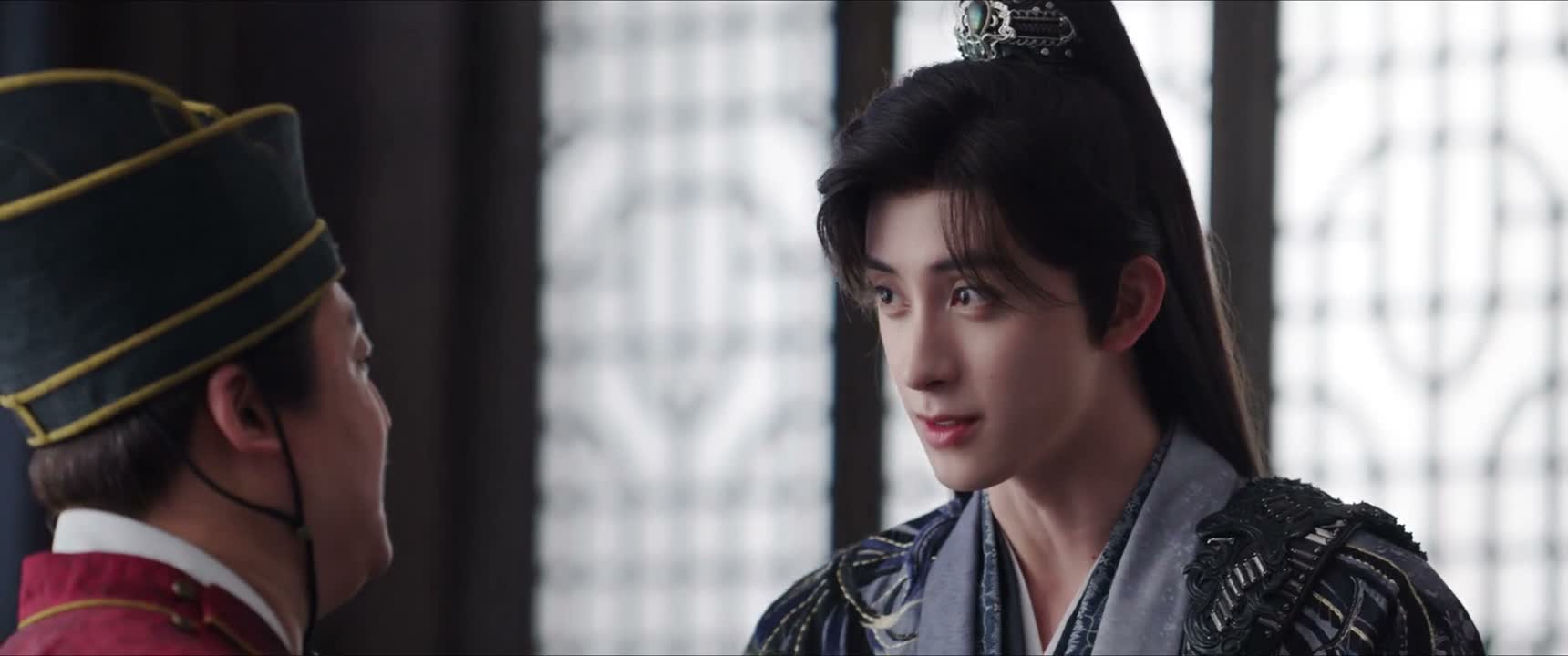
《Coroner's Diary》 S1·E18 (20:55) HSK 7
gào cí bǐ rén gōng sòng bù bì

告辞 鄙人恭送 不必

“I'll take my leave. Let me see you out. No need.”

《Coroner's Diary》 S1·E18
TIMECODE: 20:55 · 1080P MASTER AUDIO

THE DIALOGUE REEL

1+1+1 SPOKEN CONTINUITY
[-1] PREVIOUS TURN jīn rì yǒu suǒ dǎ rǎo

今日有所打扰

“Sorry to bother you.”

gào cí bǐ rén gōng sòng bù bì CURRENT FOCUS

告辞 鄙人 恭送 不必

“I'll take my leave. Let me see you out. No need.”

[+1] FOLLOW-UP TURN lái rén

来人

“Servants.”

Subtitles synced to millisecond timecode Browse Show Clips →
Scene: Historical & Court
Function: POLITE DEPARTURE
Tone: FORMAL, RESTRAINED, COURTEOUS
Emotion: CALMNESS
WHAT THEY REALLY MEAN (PRAGMATIC SUBTEXT)

Direct spoken expression in this communicative setting.

💡 Cultural Insight: Traditional Parting Etiquette (Ci-Xing)

Chinese traditional etiquette requires a host to escort a departing guest respectfully (恭送), while a courteous guest politely declines (不必) to avoid putting the host out.

INTENT TAGS: #taking_leave #humility #polite_declining #formal_courtesy
🧩

LEARNING CHUNKS & PARTICLES

4 CHUNKS · 0 PARTICLES
告辞 SPOKEN CHUNK

I must take my leave / Farewell

A highly formal, classical formula used when departing from a host or official meeting.

鄙人 SPOKEN CHUNK

your humble servant / I (humble self-reference)

A humble self-referential term used in classical or formal traditional contexts.

恭送 SPOKEN CHUNK

respectfully see off

A respectful verb used by a host to escort an honored guest to the door.

不必 SPOKEN CHUNK

no need / do not trouble yourself

Used to decline an offer or ceremonial courtesy concisely.

🏮

VOCABULARY & EXPRESSIONS

3 EXPR · 0 GRAMMAR
CROSS-CINEMA CORPUS BOARD · PARALLEL SCENES

Parallel Spoken Cinema Scenes (语义近邻切片)

EXPLORE BY SEMANTIC SIMILARITY
《Coroner's Diary》 S1·E18 (20:55) · Authentic Cinema Dialogue Corpus