殿下 在下告辞
“I'll take my leave now, Your Highness.”
THE DIALOGUE REEL
你喜欢就好
“As long as you're happy with it.”
殿下 在下告辞
“I'll take my leave now, Your Highness.”
娘子
“My Lady,”
Direct spoken expression in this communicative setting.
In traditional Chinese courtly culture, lowering one's status through humble pronouns while elevating the listener with titles like 'Dianxia' preserves social order and shows refined manners.
LEARNING CHUNKS & PARTICLES
I / me (humble self-reference)
A classical humble pronoun used in costume and period dramas to refer to oneself when addressing peers or superiors.
take one's leave
A polite, traditional formula used when bidding farewell in formal or period contexts.
VOCABULARY & EXPRESSIONS
Parallel Spoken Cinema Scenes (语义近邻切片)
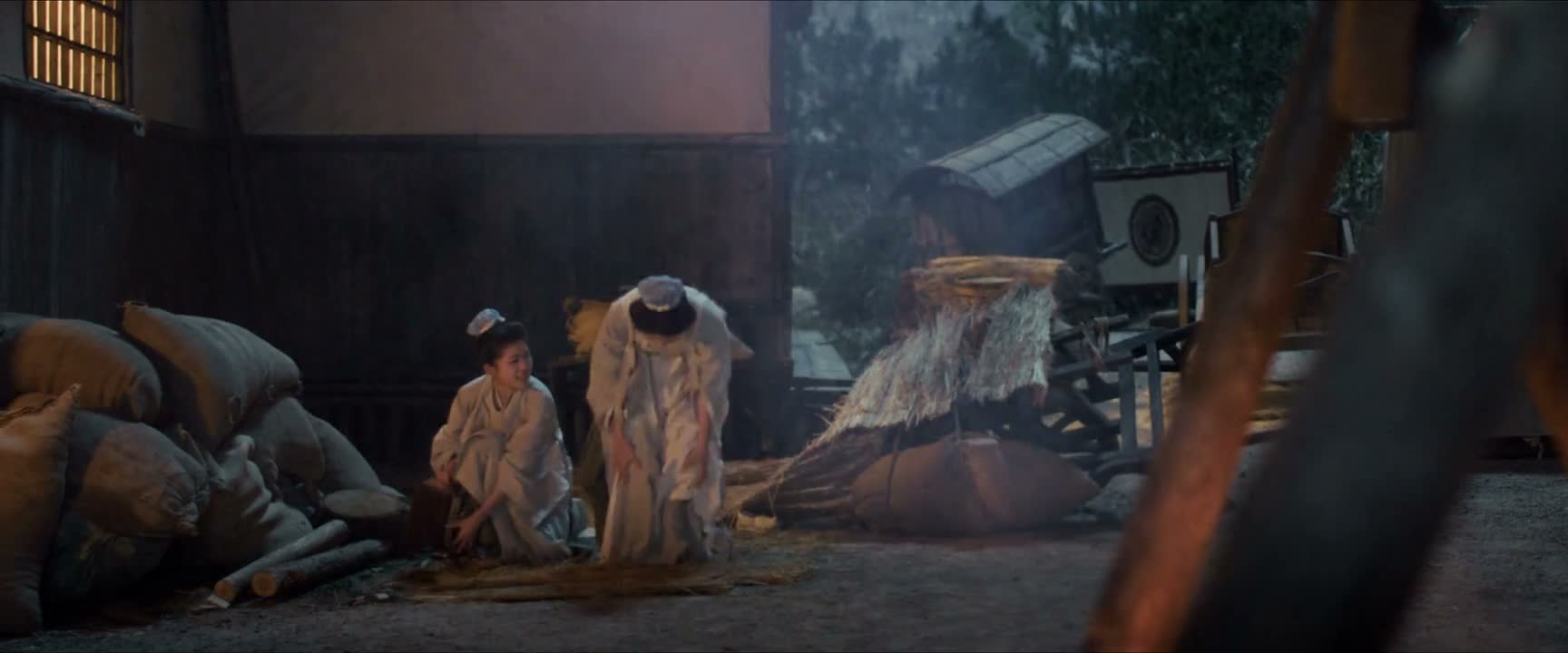
“Your Highness, this is improper.”

“So you came to apologize? I sincerely apologize.”

“Your Highness, they simply didn't dare tell you the truth.”
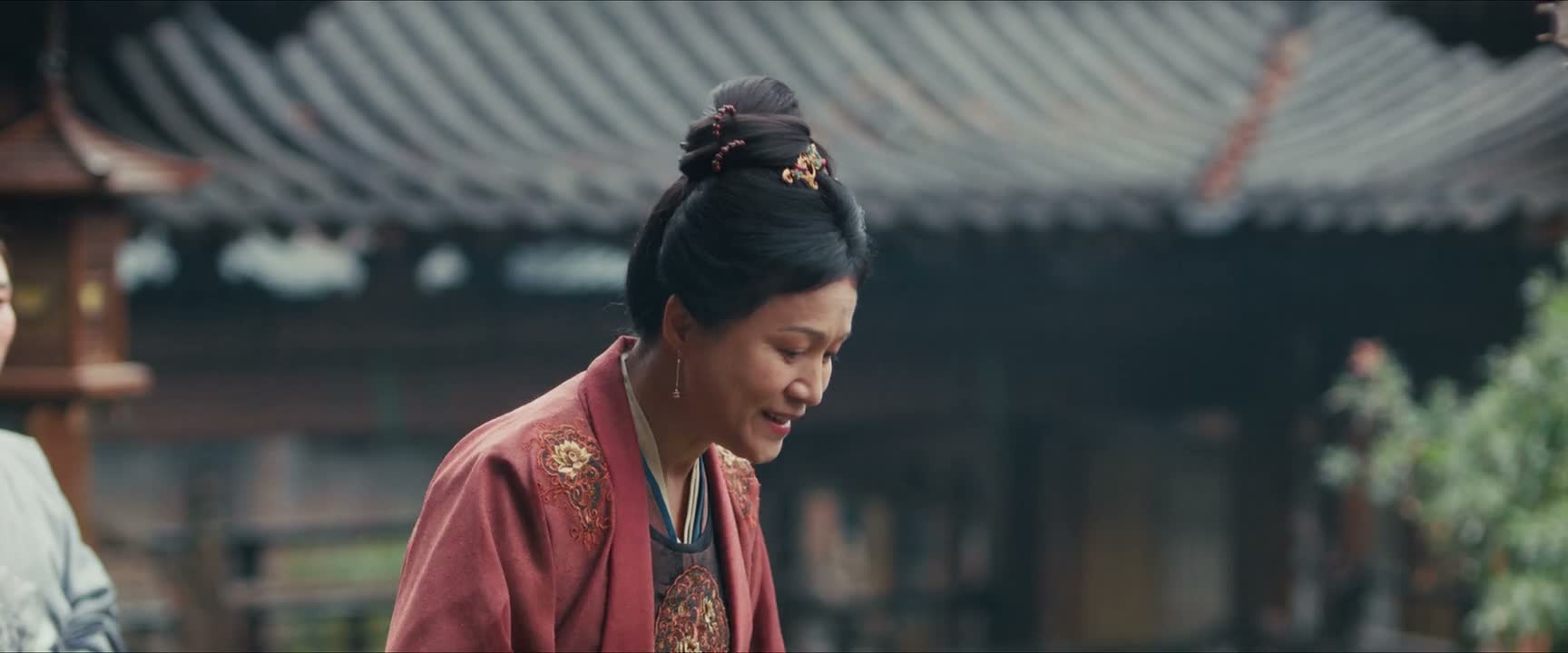
“Your Highness, please.”

“Your Highness. Don't move. Rest assured.”
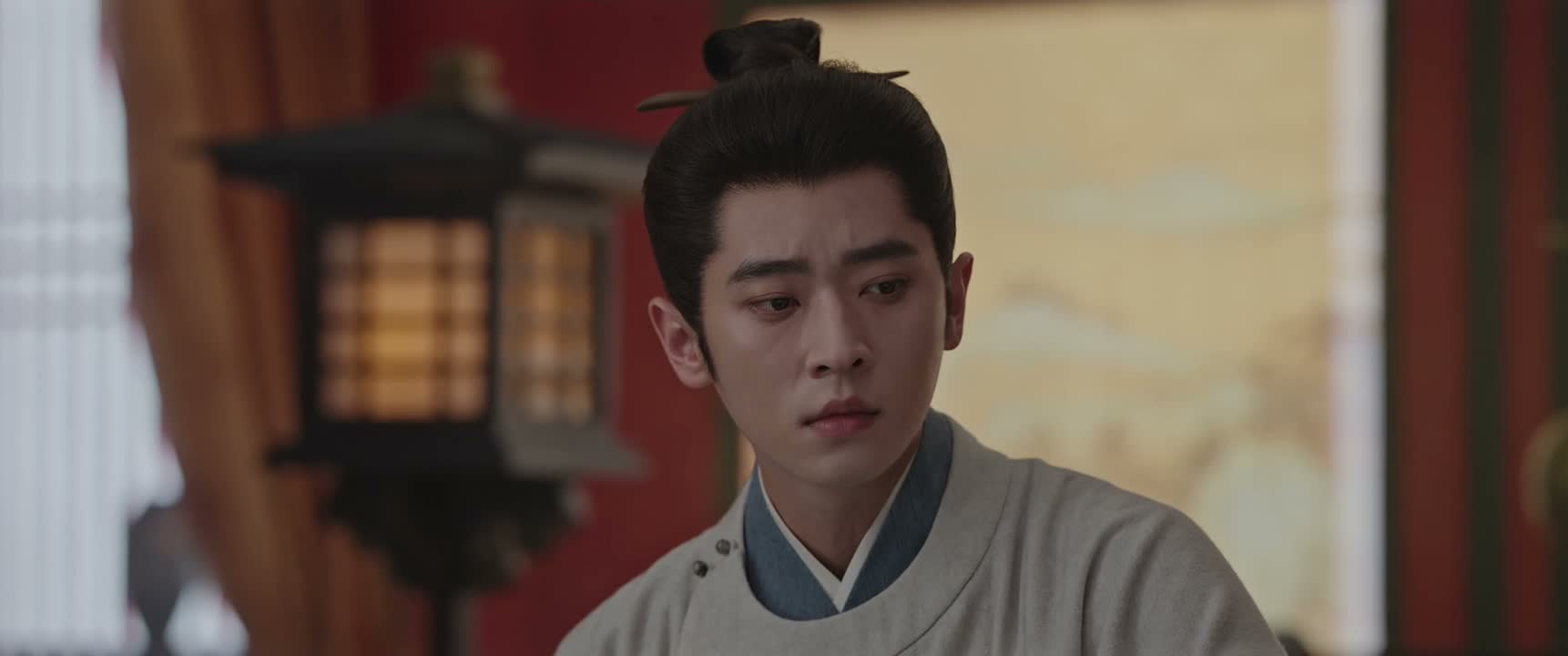
“His Highness is truly fortunate.”