大岛君那我也先告辞了
“Oshima-kun, I will take my leave then”
THE DIALOGUE REEL
大岛君 那 我也 先 告辞了
“Oshima-kun, I will take my leave then”
慢走
“Take care”
Direct spoken expression in this communicative setting.
Using classical farewell phrases like '告辞' alongside Japanese-style honorific address ('君') reflects strict decorum in wartime bureaucratic and military interactions.
LEARNING CHUNKS & PARTICLES
to take one's leave / say goodbye
A formal, polite verb used when departing from a host, superior, or official setting.
will be taking my leave now
A standard formal leave-taking formula in business or historical drama contexts.
Signals a transition into immediate action, indicating the speaker is now initiating departure.
VOCABULARY & EXPRESSIONS
Parallel Spoken Cinema Scenes (语义近邻切片)
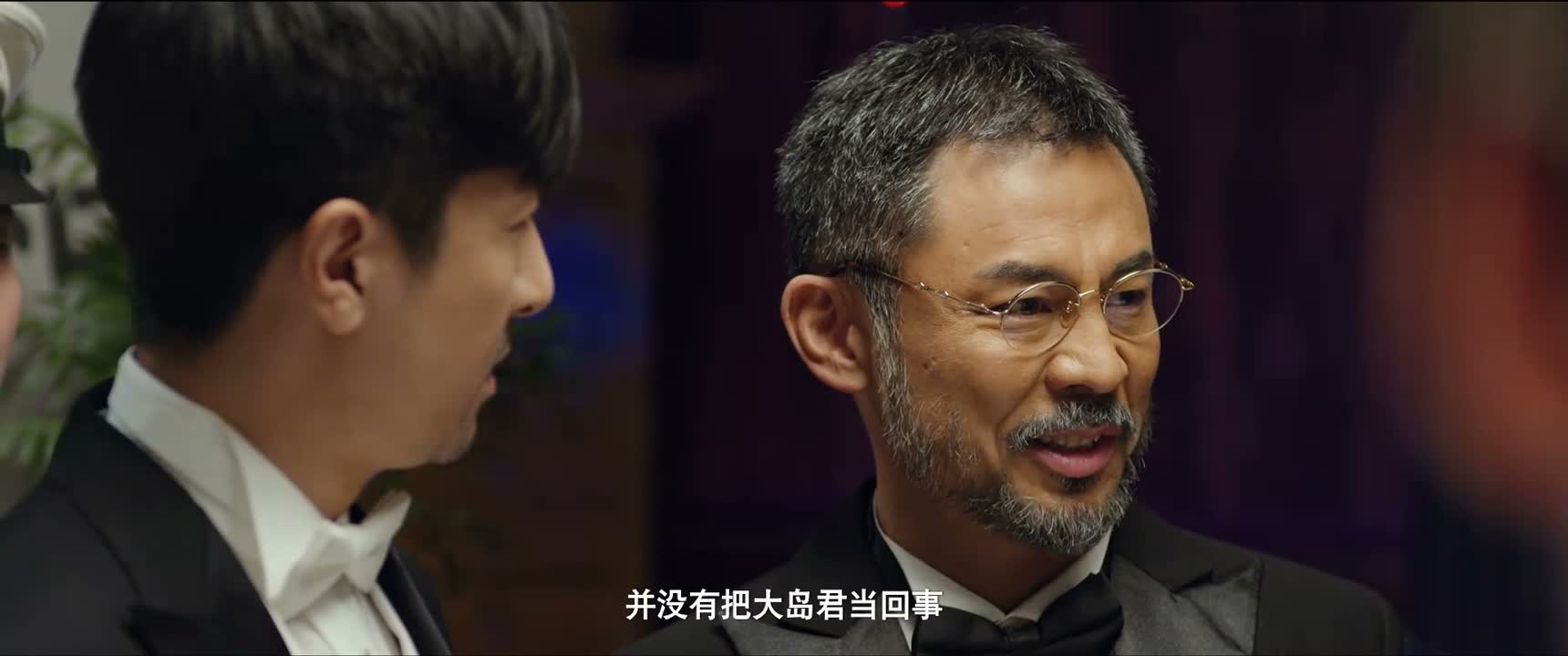
“did not take Oshima seriously.”
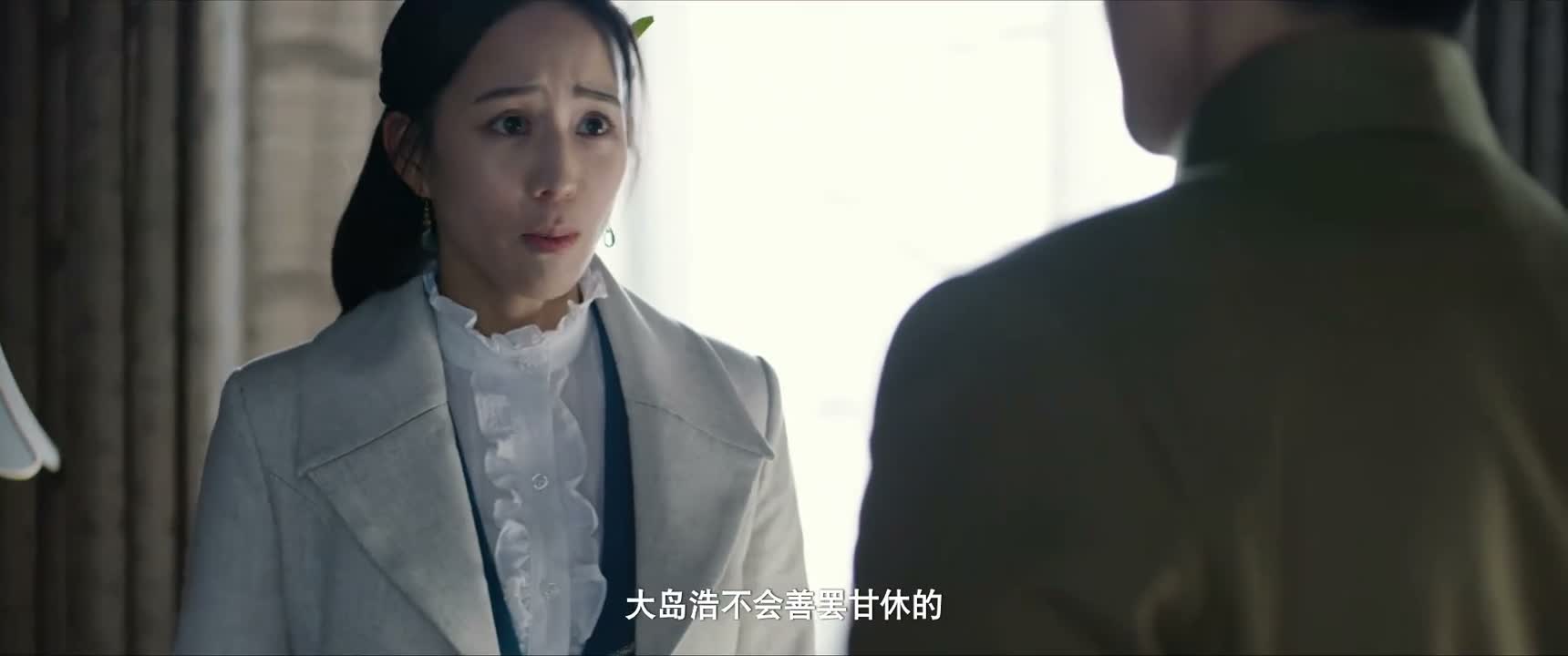
“Oshima Hiroshi won't let this go.”
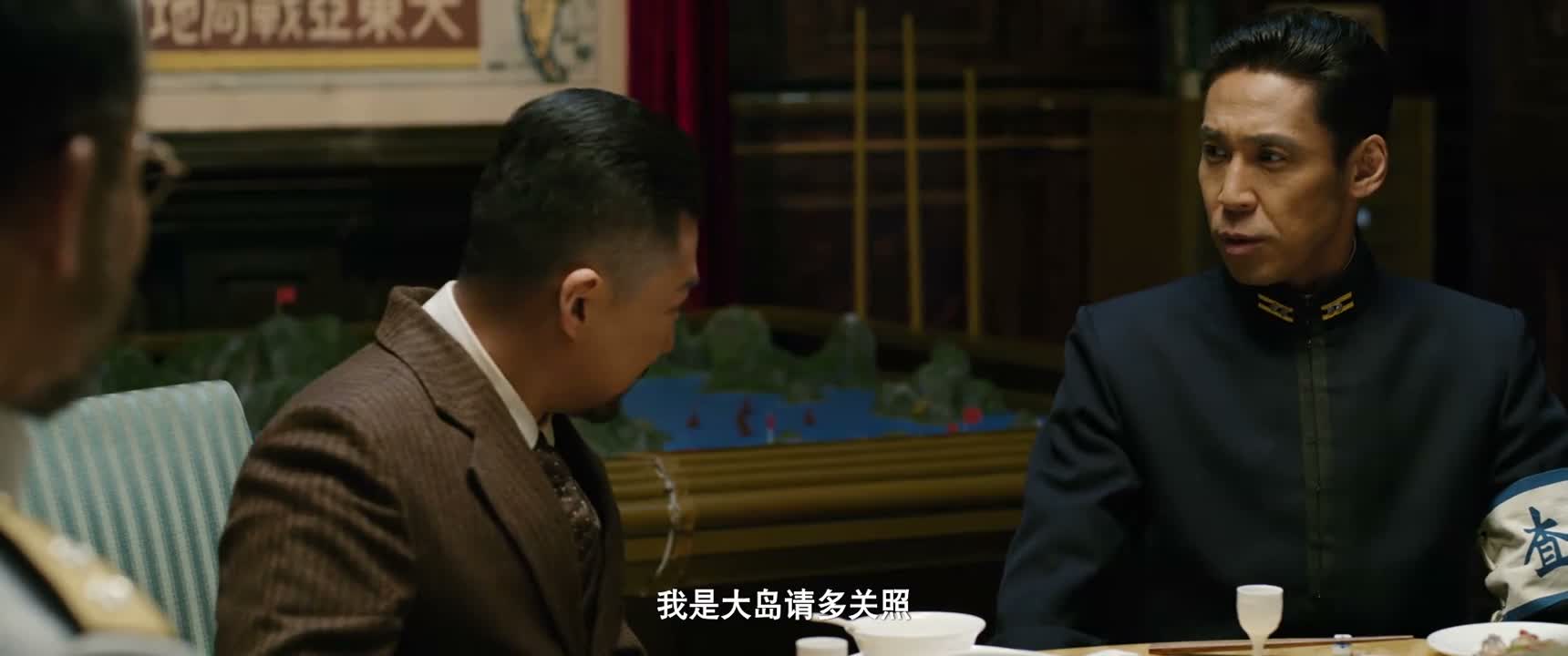
“I am Oshima. Pleased to meet you.”
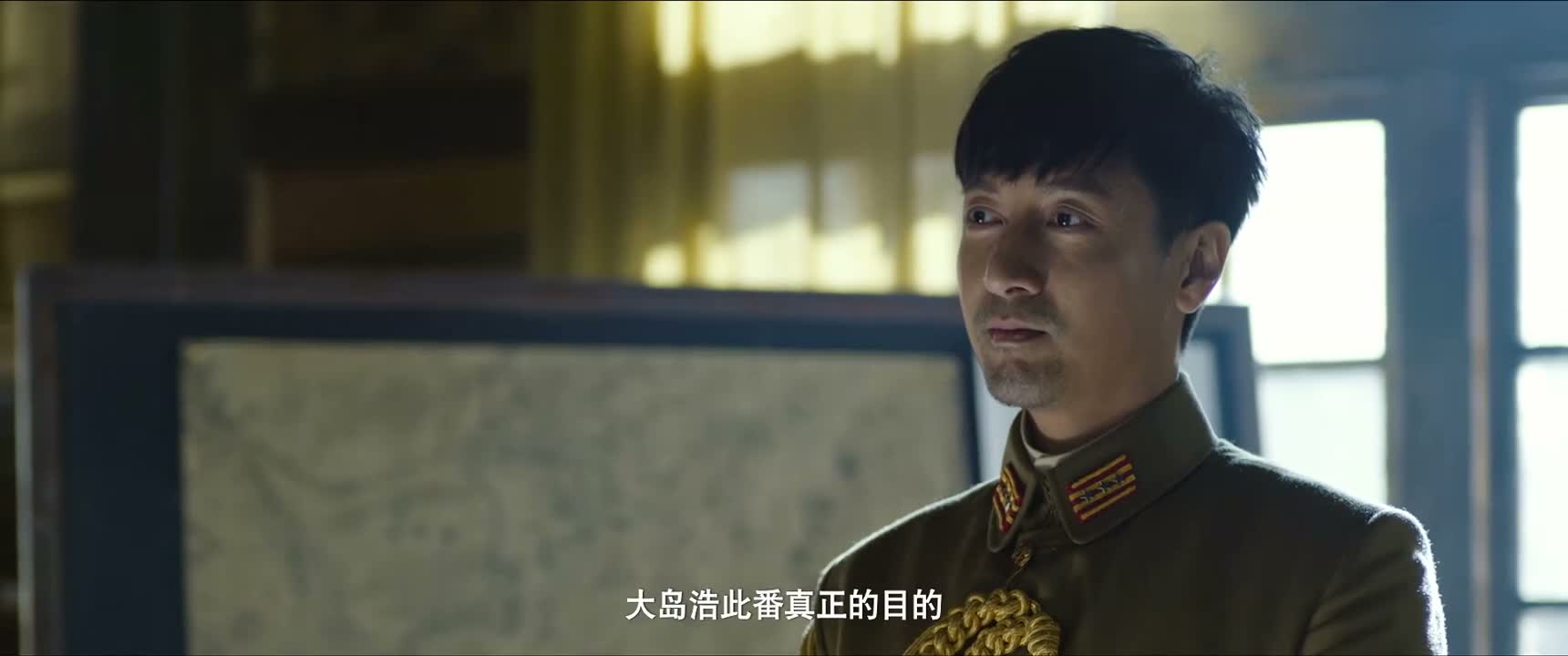
“What is Hiroshi Oshima's true purpose”
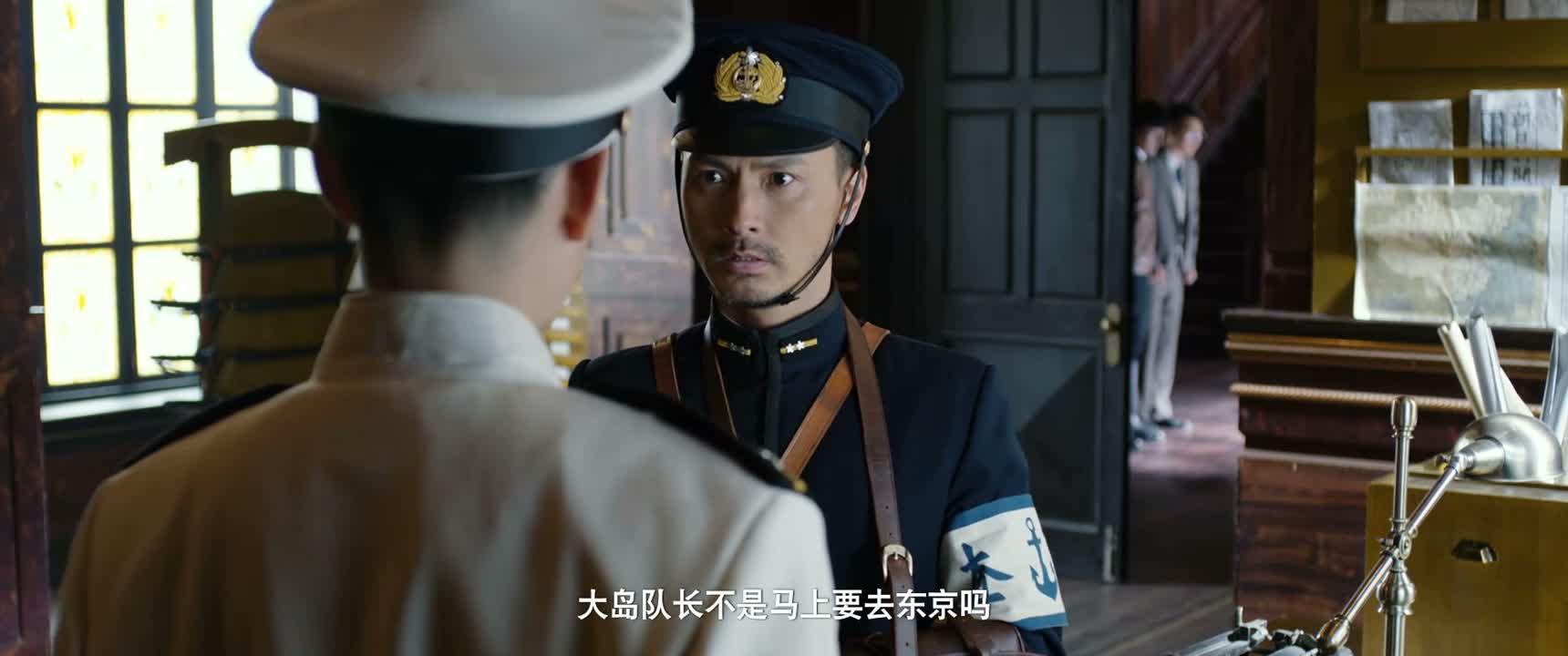
“isn't Captain Oshima going to Dong Jing soon?”
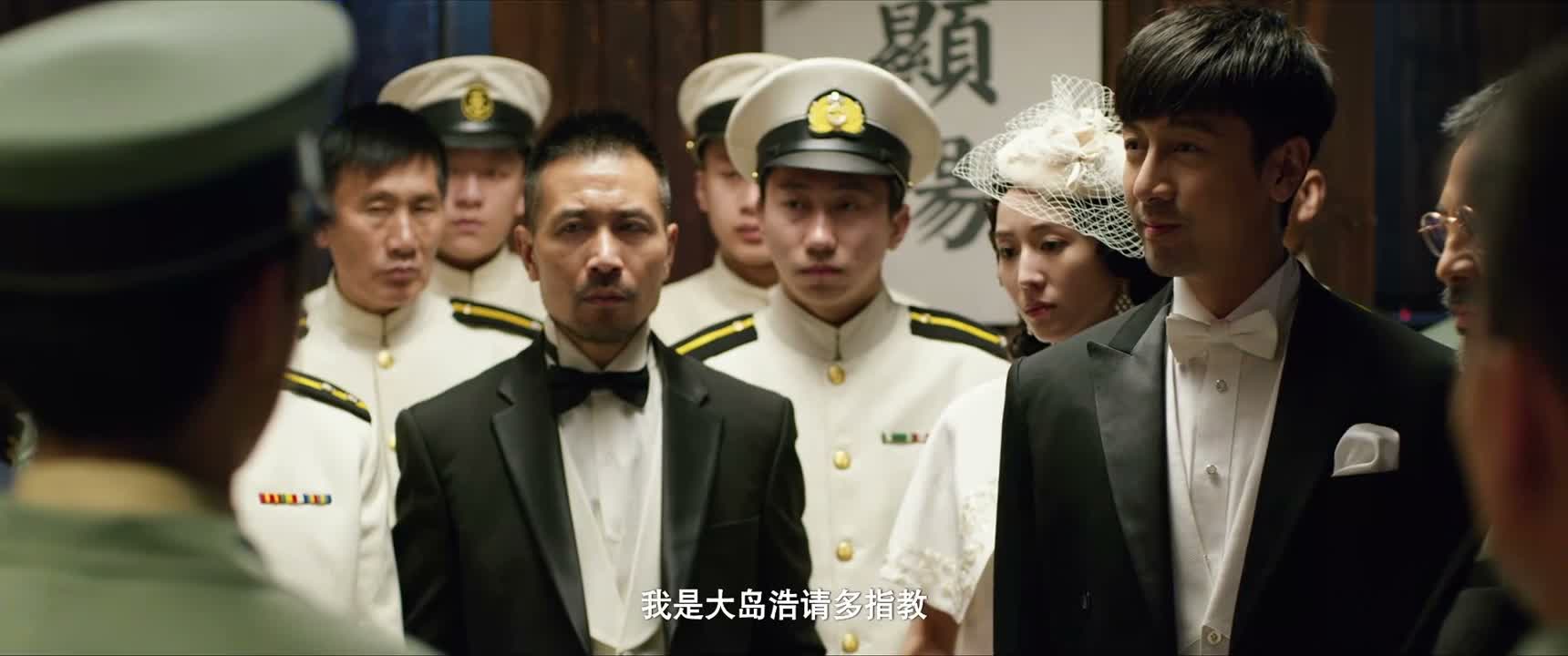
“I am Oshima. I look forward to your guidance.”