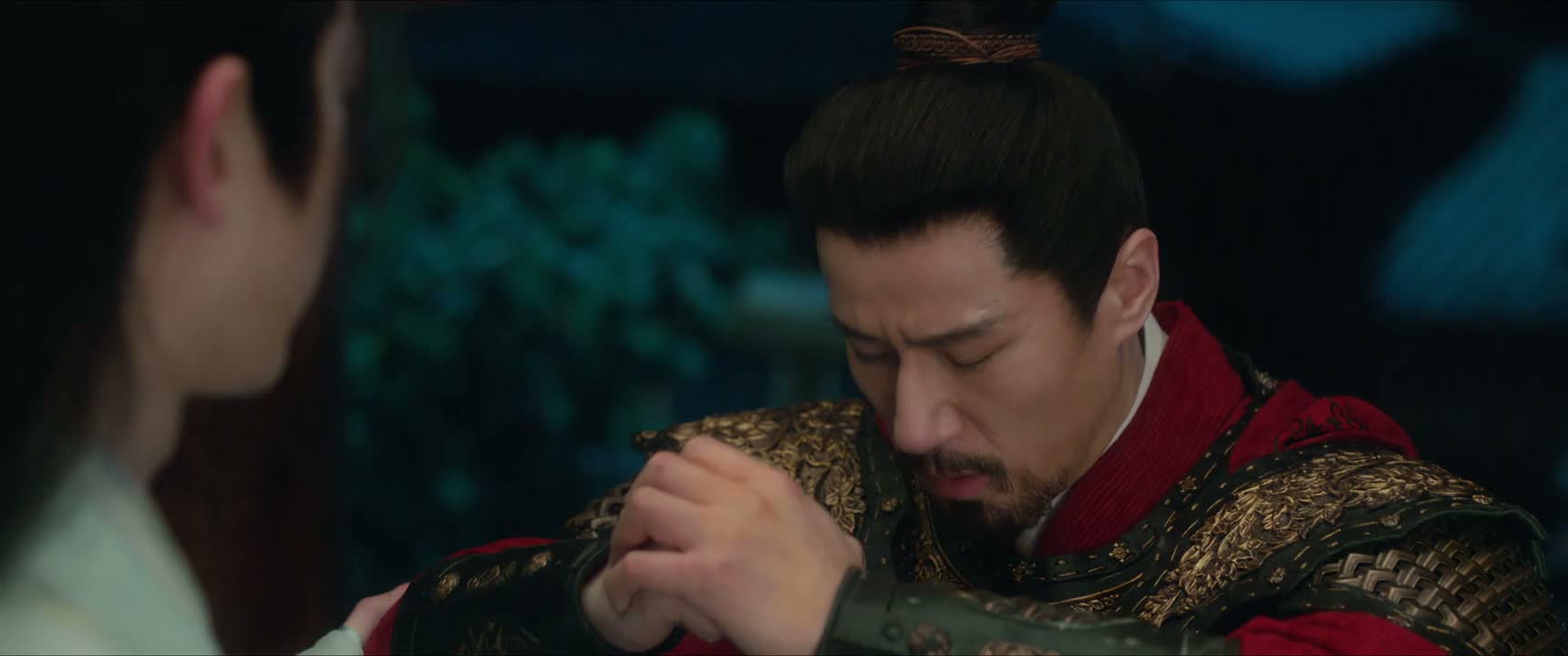
末将这就识时务地告辞了
“I will now "submit to circumstances" and take my leave.”
THE DIALOGUE REEL
行
“Fine.”
末将 这就 识时务 地 告辞了
“I will now "submit to circumstances" and take my leave.”
老爷
“My Lord.”
“I get the message loud and clear—I won't stay where I am not wanted.”
In hierarchical societies, recognizing unspoken dismissals and exiting gracefully preserves a veneer of decorum, even when bitter.
LEARNING CHUNKS & PARTICLES
to discern the signs of the times; to be sensible/pragmatic
Commonly used in idioms like 识时务者为俊杰 ('he who understands the times is wise'); here used self-referentially with biting sarcasm.
take one's leave
A traditional, polite way to announce one's departure when leaving a host or superior.
Marks the immediate initiation of the action of leaving, reinforcing finality.
VOCABULARY & EXPRESSIONS
Parallel Spoken Cinema Scenes (语义近邻切片)
“I shall take my leave now.”

“Those who know when to yield are the wise.”

“A wise man knows when to yield.”

“I'm sorry for that.”

“This is called a wise man submits to circumstances.”

“Although I am a new general,”