MC
MandarinClips Cinema Corpus
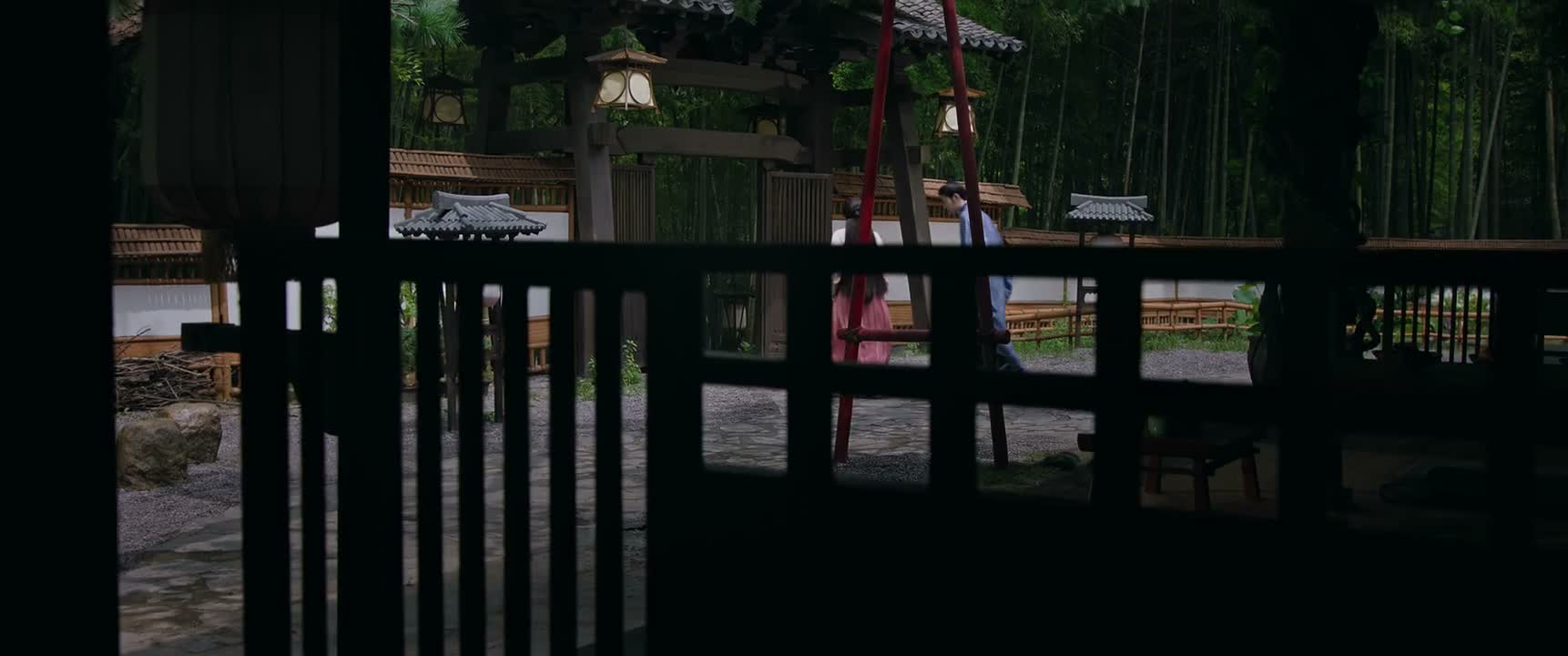
《The First Jasmine》 S1·E7 (32:19) HSK 2
ā lí yè lí yè lí nǐ méi shì ba zěn me huí shì a

阿璃 叶璃 叶璃 你没事吧 怎么回事啊

“Li! Ye Li! Are you alright? What happened?”

《The First Jasmine》 S1·E7
TIMECODE: 32:19 · 1080P MASTER AUDIO

THE DIALOGUE REEL

1+1+1 SPOKEN CONTINUITY
[-1] PREVIOUS TURN zěn me le

怎么了

“What happened?”

ā lí yè lí yè lí nǐ méi shì ba zěn me huí shì a CURRENT FOCUS

阿璃 叶璃 叶璃 你没事吧 怎么回事啊

“Li! Ye Li! Are you alright? What happened?”

[+1] FOLLOW-UP TURN shí zài duì bú zhù xià dào nǐ men le zěn me gǎo de

“I'm terribly sorry to startle you. What's wrong with you? Control your monkey.”

Subtitles synced to millisecond timecode Browse Show Clips →
Scene: Crisis & Conflict
Function: EXPRESSING CONCERN
Tone: URGENT
Emotion: ANXIETY
WHAT THEY REALLY MEAN (PRAGMATIC SUBTEXT)

Direct spoken expression in this communicative setting.

💡 Cultural Insight: Intimate Name Reduplication and Prefixes

Calling someone by a prefix like 'A-' (阿) or repeating their given name signals closeness, affection, and urgent care.

INTENT TAGS: #checking_safety #urgency #comforting #inquiry
🧩

LEARNING CHUNKS & PARTICLES

2 CHUNKS · 2 PARTICLES
你没事吧 SPOKEN CHUNK

Are you okay?

The most common and immediate phrase to check someone's physical or emotional well-being after an accident.

怎么回事啊 SPOKEN CHUNK

What happened? / What's going on?

A frequent colloquial question used to demand an explanation when encountering confusion or chaos.

Modal Particle「吧」 (ba) CHANGE OF STATE

Softens the inquiry while seeking confirmation that the person is unharmed.

Modal Particle「啊」 (a) CHANGE OF STATE

Enhances emotional urgency and distress in an exclamation.
🏮

VOCABULARY & EXPRESSIONS

2 EXPR · 0 GRAMMAR
CROSS-CINEMA CORPUS BOARD · PARALLEL SCENES

Parallel Spoken Cinema Scenes (语义近邻切片)

EXPLORE BY SEMANTIC SIMILARITY
《The First Jasmine》 S1·E7 (32:19) · Authentic Cinema Dialogue Corpus