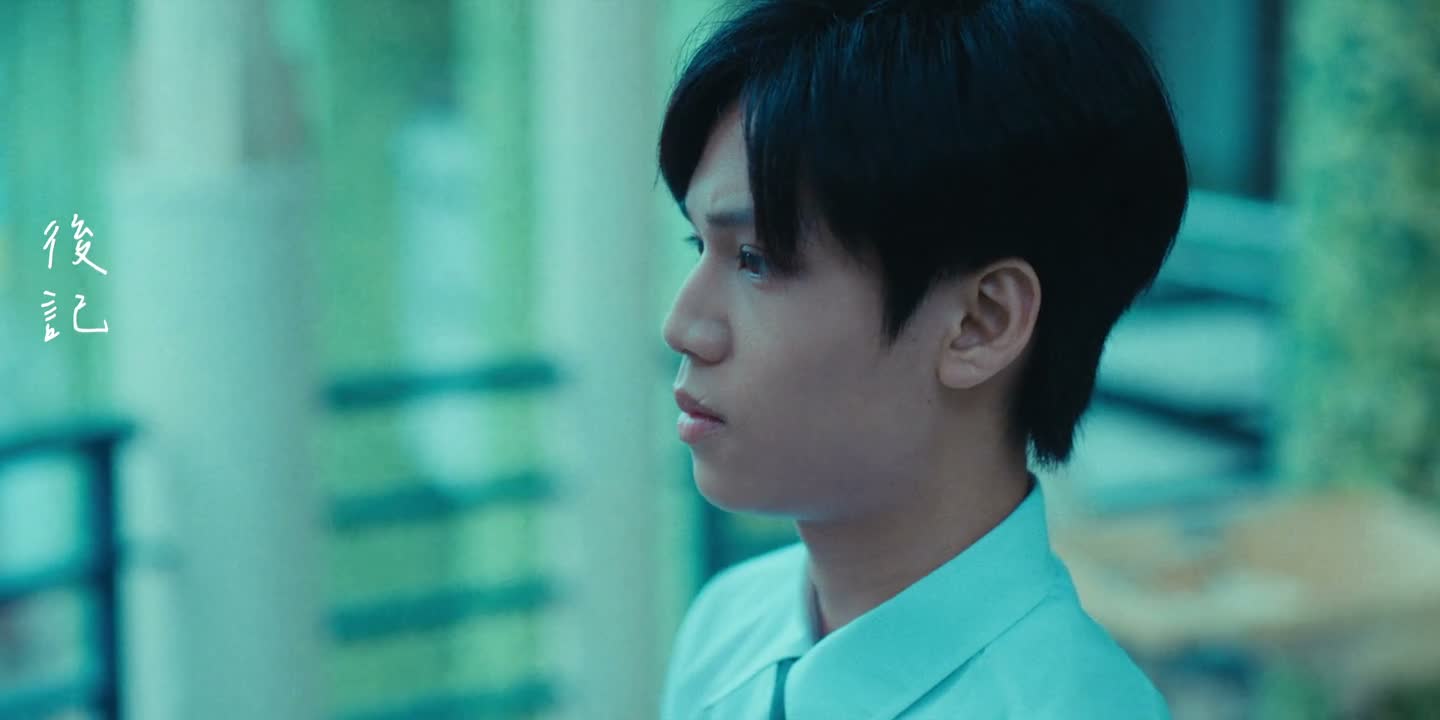
《Love Story in the 1970s》 S1·E6 (18:56)
HSK 5
shì a wǒ chéng rèn
是啊 我承认
“Yes. I admit it.”
《Love Story in the 1970s》
S1·E6
TIMECODE: 18:56
·
1080P MASTER AUDIO
THE DIALOGUE REEL
[-1] PREVIOUS TURN
nǐ yào tuō lěi wǒ dào shén me shí hòu a
“How long are you going to hold me back?”
shì a wǒ chéng rèn
CURRENT FOCUS
是啊 我承认
“Yes. I admit it.”
Subtitles synced to millisecond timecode
Browse Show Clips →
Scene:
Crisis & Conflict
Function:
CONFESSION
Tone:
BLUNT
Emotion:
GUILT
WHAT THEY REALLY MEAN (PRAGMATIC SUBTEXT)
Direct spoken expression in this communicative setting.
💡 Cultural Insight: Direct Confrontation in Relationships
While Chinese interpersonal communication often favors indirectness, intense emotional climaxes push speakers to drop polite pretenses and frankly confess past ulterior motives.
INTENT TAGS:
#admission
#confrontation
#resignation
#owning_up
🧩
1 CHUNKS · 1 PARTICLES
LEARNING CHUNKS & PARTICLES
我承认
SPOKEN CHUNK
I admit / I confess
A straightforward way to own up to an accusation or mistake during an argument.
Modal Particle「啊」 (a)
CHANGE OF STATE
Softens the direct affirmative answer slightly while signaling resignation.
🏮
2 EXPR · 0 GRAMMAR
VOCABULARY & EXPRESSIONS
COLLOQUIAL EXPRESSIONS:
CROSS-CINEMA CORPUS BOARD · PARALLEL SCENES
EXPLORE BY SEMANTIC SIMILARITY
Parallel Spoken Cinema Scenes (语义近邻切片)
《Love Story in the 1970s》 S1·E6 (18:56) · Authentic Cinema Dialogue Corpus