同志您好 请问数学系怎么走
“Excuse me, how do I get to the Math Department?”
THE DIALOGUE REEL
“(and hand them over to Ding Yang from your dorm.)”
同志 您好 请问 数学系 怎么走
“Excuse me, how do I get to the Math Department?”
“Go inside and turn right. It's you.”
Direct spoken expression in this communicative setting.
In 20th-century mainland China, 'tongzhi' served as the universal, egalitarian, and polite way to address strangers in public spaces.
LEARNING CHUNKS & PARTICLES
excuse me, may I ask
Essential polite opener when asking a question to strangers or officials.
how do I get there / which way should I go
The standard phrase used to ask for walking or driving directions.
VOCABULARY & EXPRESSIONS
Parallel Spoken Cinema Scenes (语义近邻切片)

“Well, which one should we take?”

“Excuse me, sir. Excuse me. Which way is the Publicity Department?”

“how do I get back to the hospital?”

“[2010] Feel free to look around here. Let me know if you need anything.”
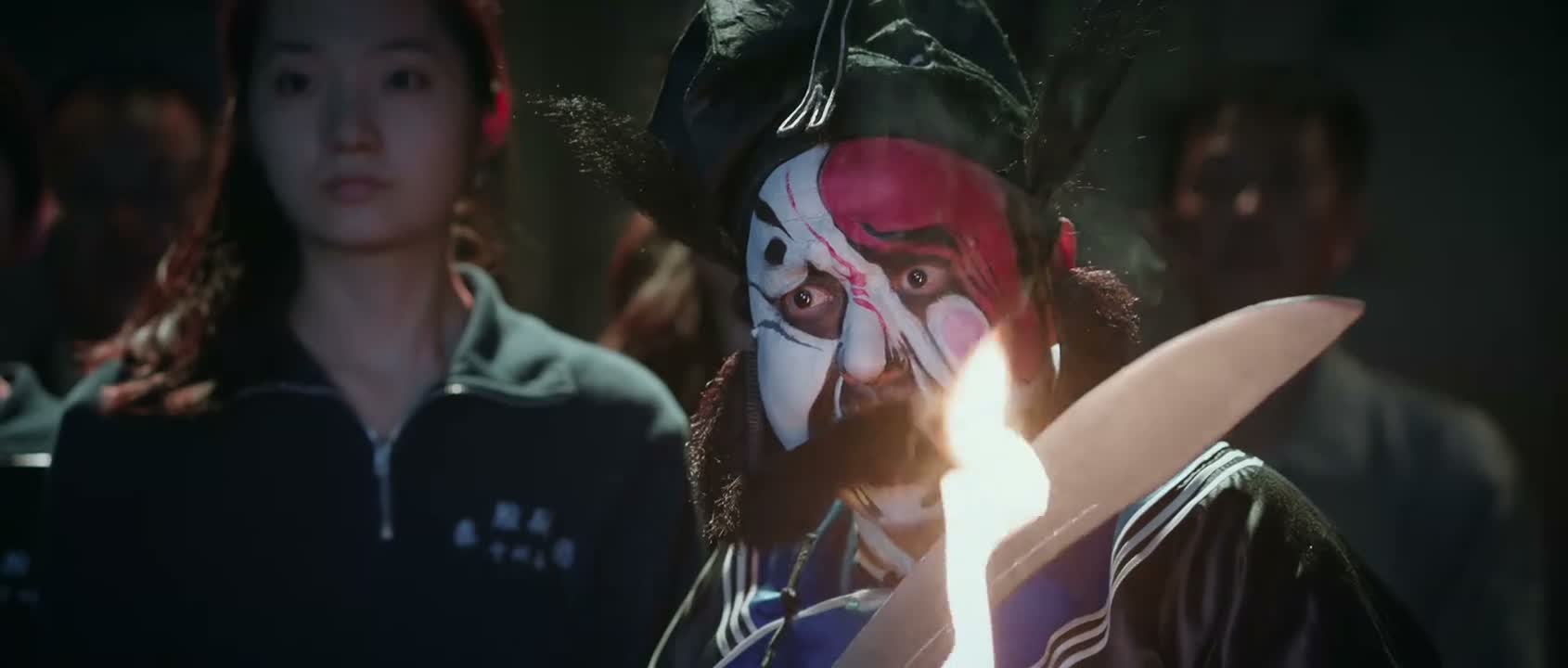
“Where are you going!”
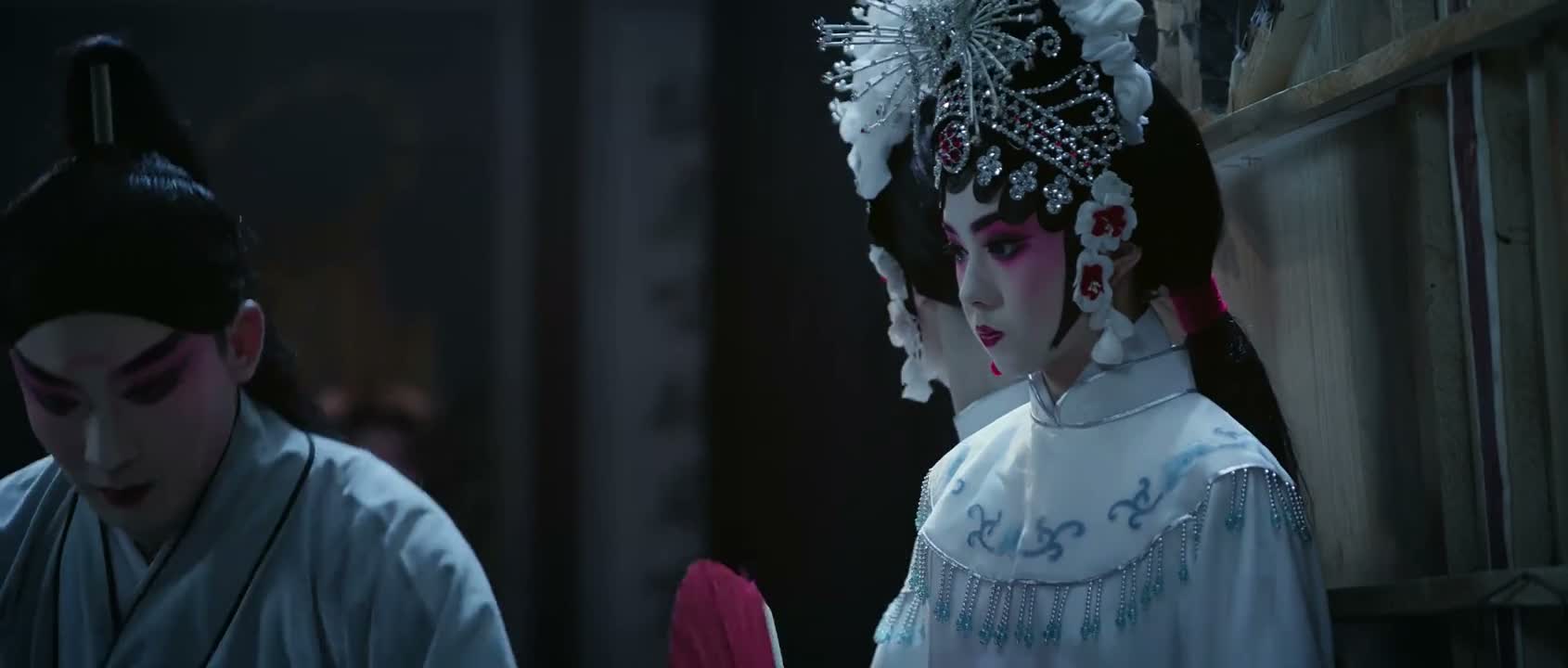
“♪Where are you going♪”