现在不觉得 我对你不怀好意了
“You've realized that I had no bad intentions.”
THE DIALOGUE REEL
我向你道歉
“I owe you an apology.”
现在不觉得 我对你 不怀好意 了
“You've realized that I had no bad intentions.”
“See? I told you you were being overly paranoid about me all along.”
Chinese interpersonal communication often uses self-deprecating or teasing remarks to dissipate past awkwardness and rebuild rapport after an apology.
LEARNING CHUNKS & PARTICLES
to harbor ill intentions; to harbor malice
A common four-character idiom used when suspecting someone has an ulterior motive or bad intentions.
Marks a change of state, highlighting that the listener's former suspicion has now disappeared.
VOCABULARY & EXPRESSIONS
Parallel Spoken Cinema Scenes (语义近邻切片)

“But I don't think so anymore.”
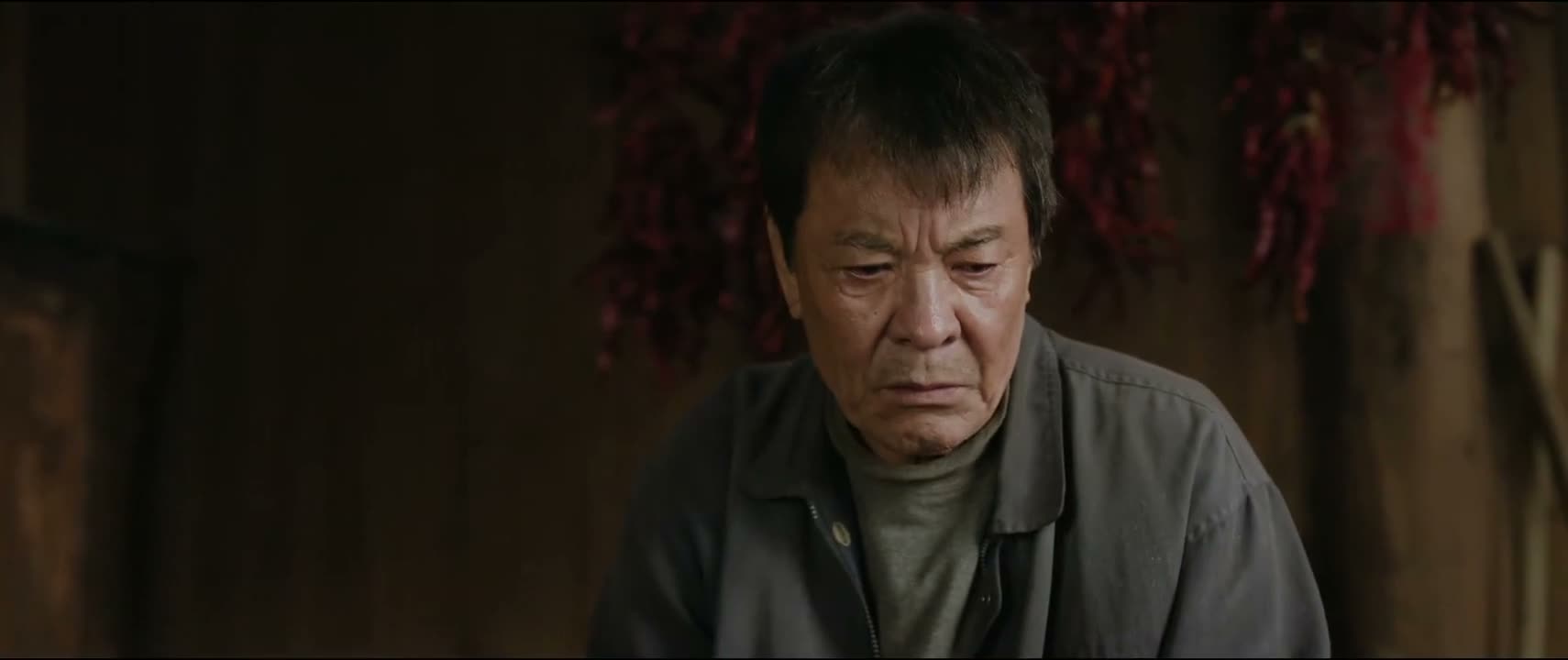
“I don't think I did anything wrong.”

“Not kicking you out right now is already showing you mercy.”

“That day in Wuchuan, I didn't do anything bad to you. I know.”

“You seem very hostile towards me. I have never offended you, right?”

“I'm not against your happiness.”