看着很苦恼啊 还不是因为你
“you look very distressed. Isn't it because of you?”
THE DIALOGUE REEL
可是你作为他们的领队老师
“But as their team supervisor,”
看着 很苦恼啊 还不是因为你
“you look very distressed. Isn't it because of you?”
你到底愿不愿意帮忙啊 是你说的 你很值的
“Are you willing to help or not? You said yourself that you're worth it.”
“You only have yourself to blame for this mess, so do not act like the victim.”
Using rhetorical patterns like '还不是因为...' allows native speakers to point out someone's fault affectionately without causing genuine offense or loss of face.
LEARNING CHUNKS & PARTICLES
isn't it simply because of; all because of
A common rhetorical pattern used to point out the obvious root cause of an issue, often with mild blame or teasing.
looking very distressed or troubled
Useful for making an observation about someone's visible emotional state before commenting further.
Softens the observational statement, adding an evaluative and conversational warmth.
VOCABULARY & EXPRESSIONS
Parallel Spoken Cinema Scenes (语义近邻切片)

“(Are you also troubled right now?)”

“Are you in pain?”

“You must have been very sad too.”
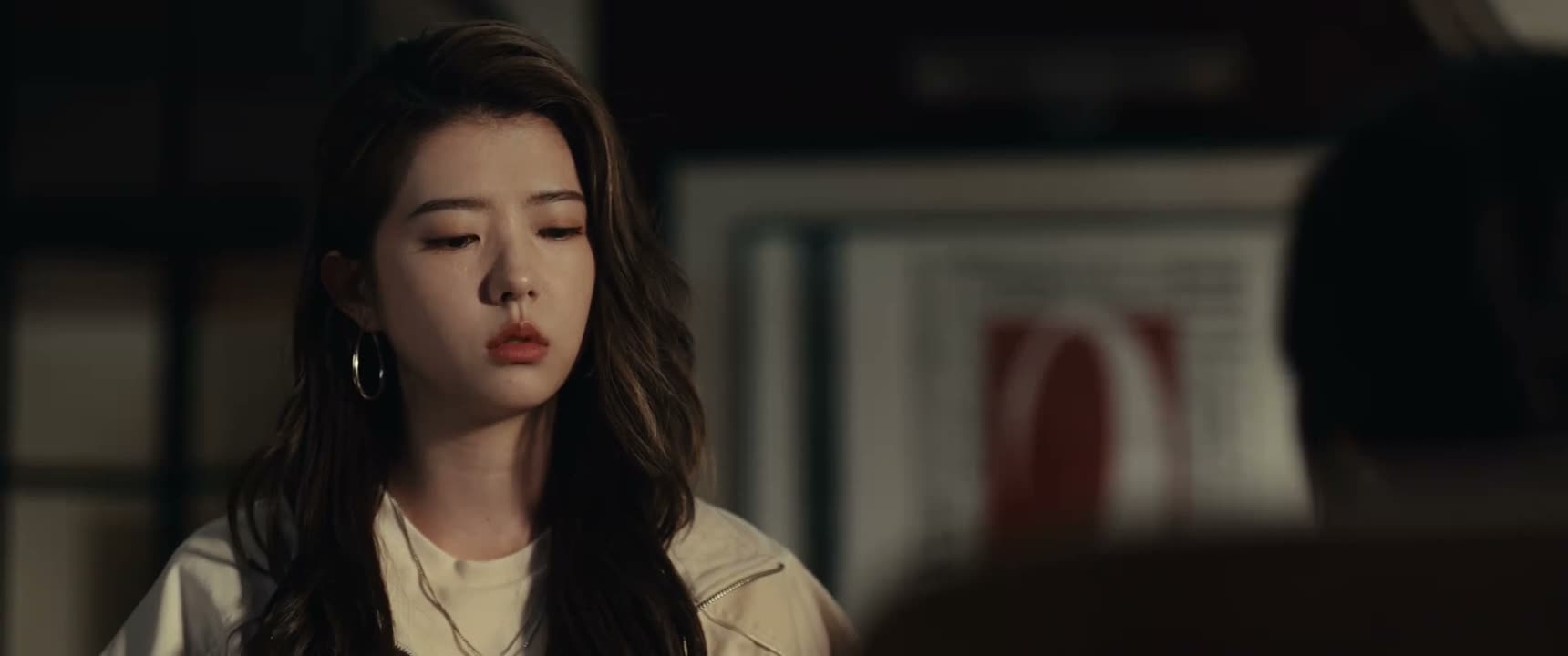
“I'll feel pretty upset.”

“you don't look happy.”

“I'm also in a difficult position.”