哪个人骨子里面没点妖气啊
“everyone has a demon side.”
THE DIALOGUE REEL
再退一步讲
“Besides,”
哪个 人 骨子里面 没点 妖气 啊
“everyone has a demon side.”
“Why force them to show their true forms?”
“Stop expecting perfection; everyone has dark or eccentric sides.”
The idiom of having '妖气' (demonic aura) draws from mythological tales like Journey to the West to playfully argue that humans naturally possess unrefined, primal desires.
LEARNING CHUNKS & PARTICLES
in one's bones; deep down; inherently
Used to describe innate qualities, true character, or deep-seated tendencies.
wickedness; eccentric charm; demonic aura
Often used metaphorically in modern spoken Chinese to denote unconventional flaws, slyness, or quirks.
Heightens the rhetorical impact of the question to demand agreement.
VOCABULARY & EXPRESSIONS
Parallel Spoken Cinema Scenes (语义近邻切片)

“only Chi as his flesh and blood.”
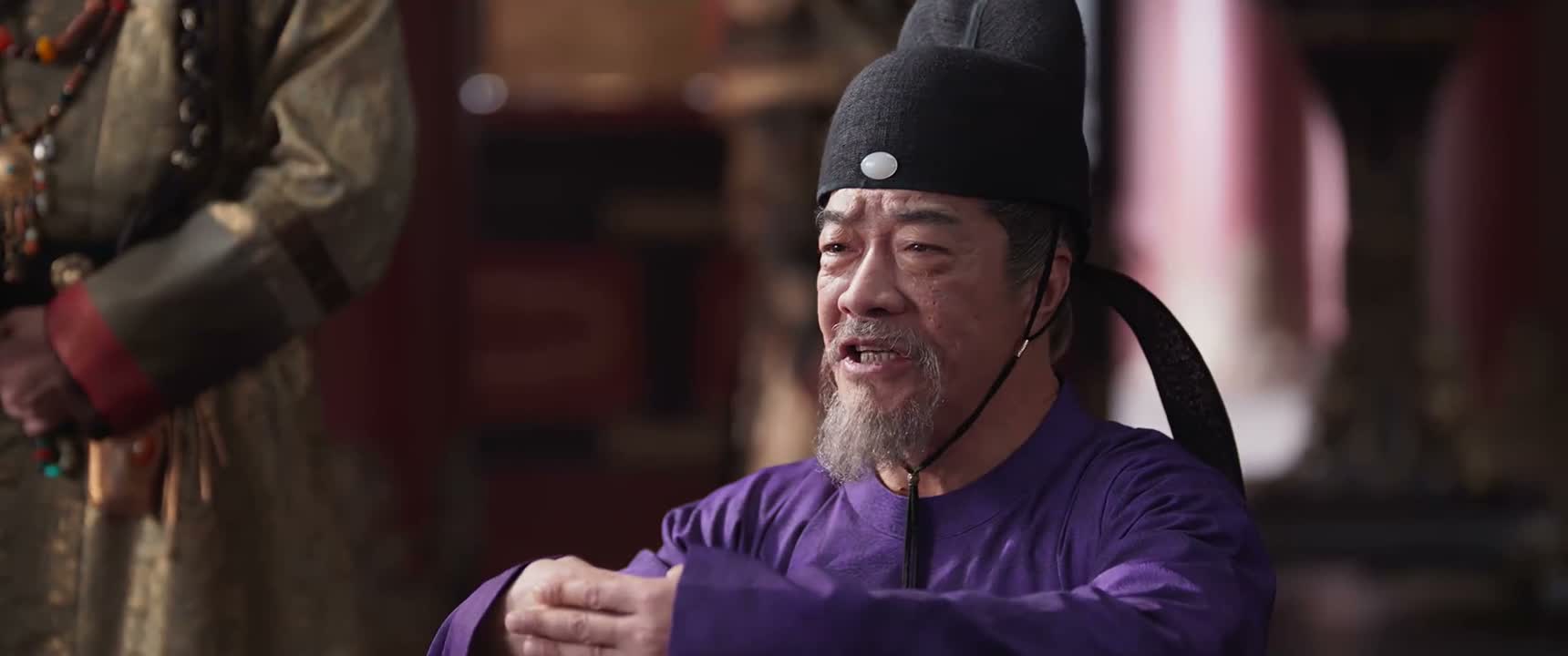
“my only son has been suffering.”
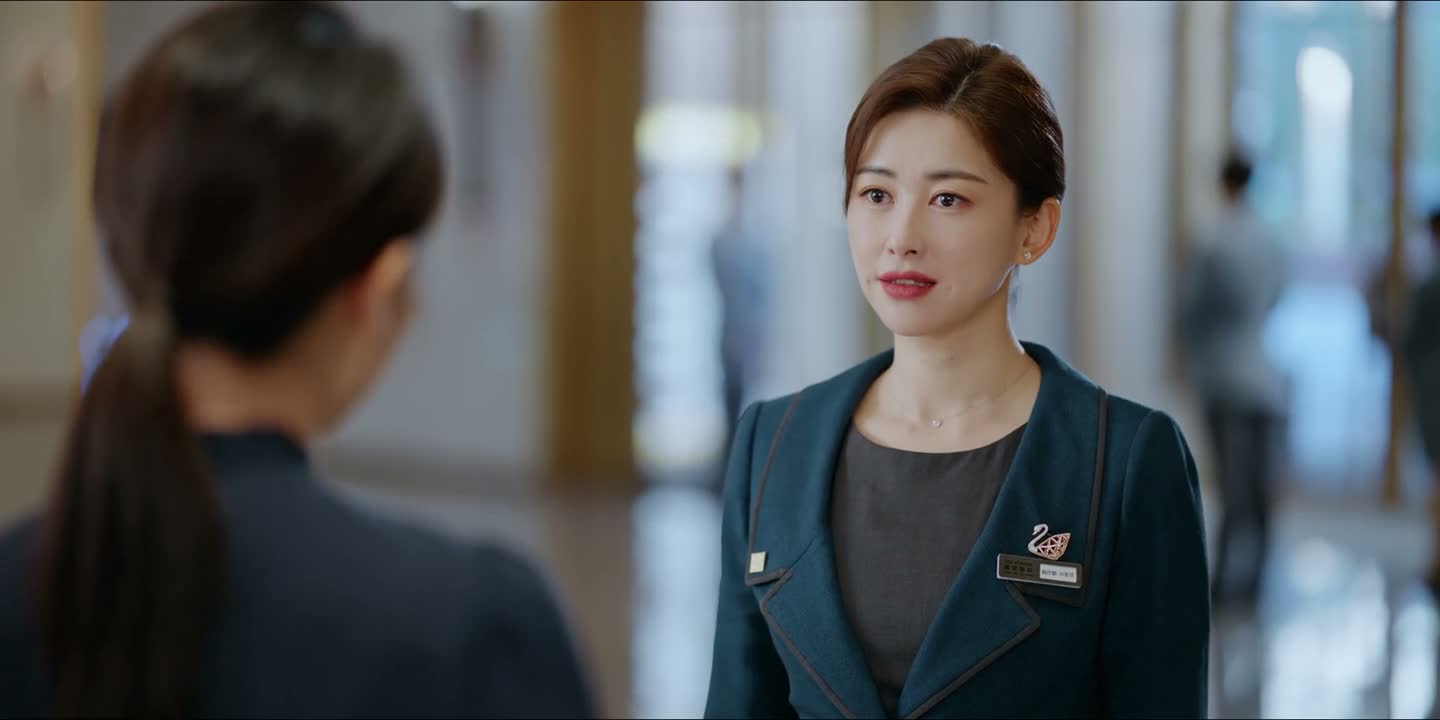
“but you're very strong inside.”

“then it was most likely done by people from Xihan.”

“How can you identify a person from just bones?”

“nobody's soul could take it.”