MC
MandarinClips Cinema Corpus
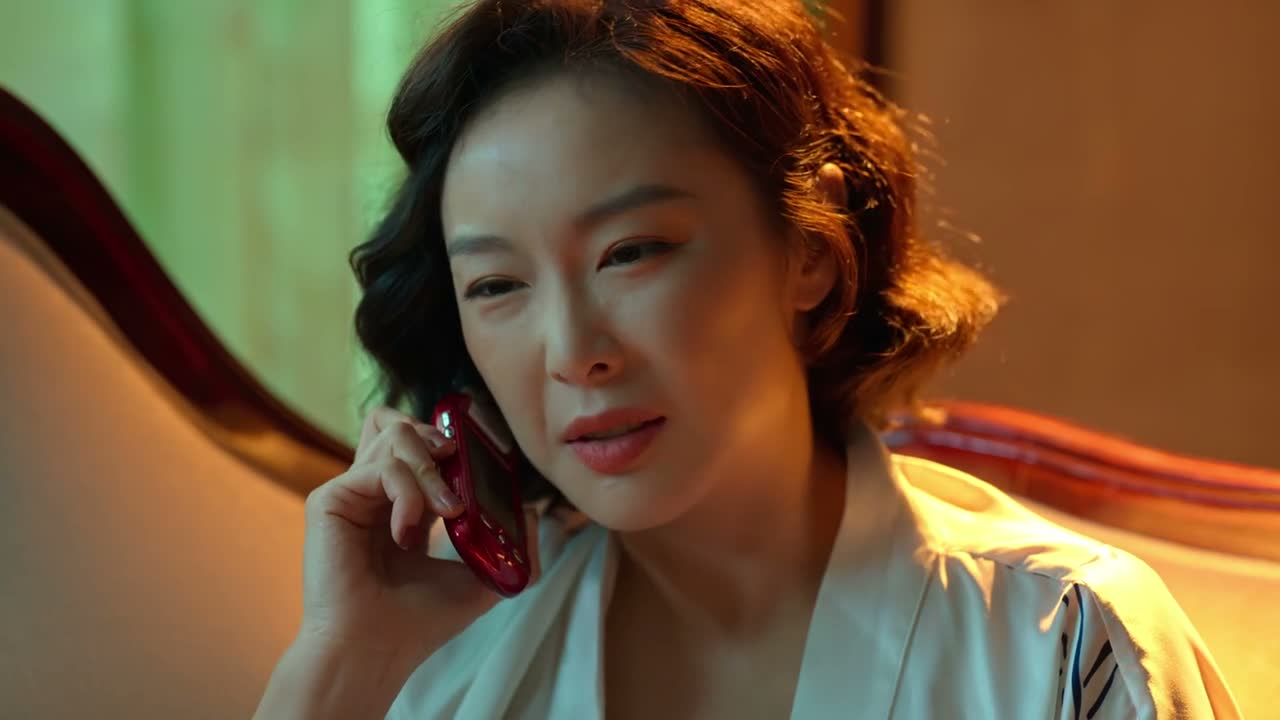
《Love Story in the 1970s》 S1·E20 (25:04) HSK 7
liú wěi nǐ tài zì yǐ wéi shì le

刘伟你太自以为是了

“Liu Wei, you're full of yourself.”

《Love Story in the 1970s》 S1·E20
TIMECODE: 25:04 · 1080P MASTER AUDIO

THE DIALOGUE REEL

1+1+1 SPOKEN CONTINUITY
[-1] PREVIOUS TURN nǐ yòu píng shén me yǐ wéi wǒ hái ài zhe nǐ

“And what makes you think I still love you?”

liú wěi nǐ tài zì yǐ wéi shì le CURRENT FOCUS

刘伟你 太 自以为是 了

“Liu Wei, you're full of yourself.”

[+1] FOLLOW-UP TURN nǐ bú yào zǒng jué de dāng nián shì nǐ pāo qì le wǒ

你不要总觉得当年是你抛弃了我

“Don't think it was you who abandoned me back then.”

Subtitles synced to millisecond timecode Browse Show Clips →
Scene: Crisis & Conflict
Function: DIRECT ACCUSATION
Tone: DEFENSIVE
Emotion: ANGER
WHAT THEY REALLY MEAN (PRAGMATIC SUBTEXT)
“Get over yourself; you mean nothing to me anymore.”
💡 Cultural Insight: Loss of Face in Relationship Ruptures

Directly calling someone '自以为是' strips them of dignity, signaling that normal social tact and face-saving considerations have been discarded.

INTENT TAGS: #accusing #confrontation #rebuttal #boundary_setting
🧩

LEARNING CHUNKS & PARTICLES

2 CHUNKS · 1 PARTICLES
自以为是 SPOKEN CHUNK

self-righteous / conceited / opinionated

A highly critical set phrase used to describe someone who stubbornly believes they are always right or superior.

太……了 SPOKEN CHUNK

too... / excessively...

A fundamental pattern used here to intensify negative evaluation with emotional force.

Modal Particle「了」 (le) CHANGE OF STATE

Functions as part of the '太...了' construction, intensifying the speaker's emotional outburst.
🏮

VOCABULARY & EXPRESSIONS

1 EXPR · 2 GRAMMAR
COLLOQUIAL EXPRESSIONS:
GRAMMAR BLUEPRINTS:
CROSS-CINEMA CORPUS BOARD · PARALLEL SCENES

Parallel Spoken Cinema Scenes (语义近邻切片)

EXPLORE BY SEMANTIC SIMILARITY
《Love Story in the 1970s》 S1·E20 (25:04) · Authentic Cinema Dialogue Corpus