我还有事 就不送二位了
“I have something to do. I won't see you off.”
THE DIALOGUE REEL
这里是地址
“[Zhang's Residence] This is the address.”
我还有事 就不送二位了
“I have something to do. I won't see you off.”
师父
“[Zhang's Residence] Mentor,”
“Our business is finished, please leave now.”
In Chinese etiquette, hosts normally escort guests to the door or gate. Saying 'I won't see you out' because of busy work excuses this ritual while firmly signaling that the visit is over.
LEARNING CHUNKS & PARTICLES
I won't see you out; please see yourself out
Standard polite social formula used when concluding a visit, often excused by saying one is busy.
the two of you; both of you
Polite and respectful way to address two guests or customers.
Signifies a change in situation or a decision made at the moment to end the interaction.
VOCABULARY & EXPRESSIONS
Parallel Spoken Cinema Scenes (语义近邻切片)

“I'm busy. Just say it here.”

“I have something to attend to, so I'll go first.”
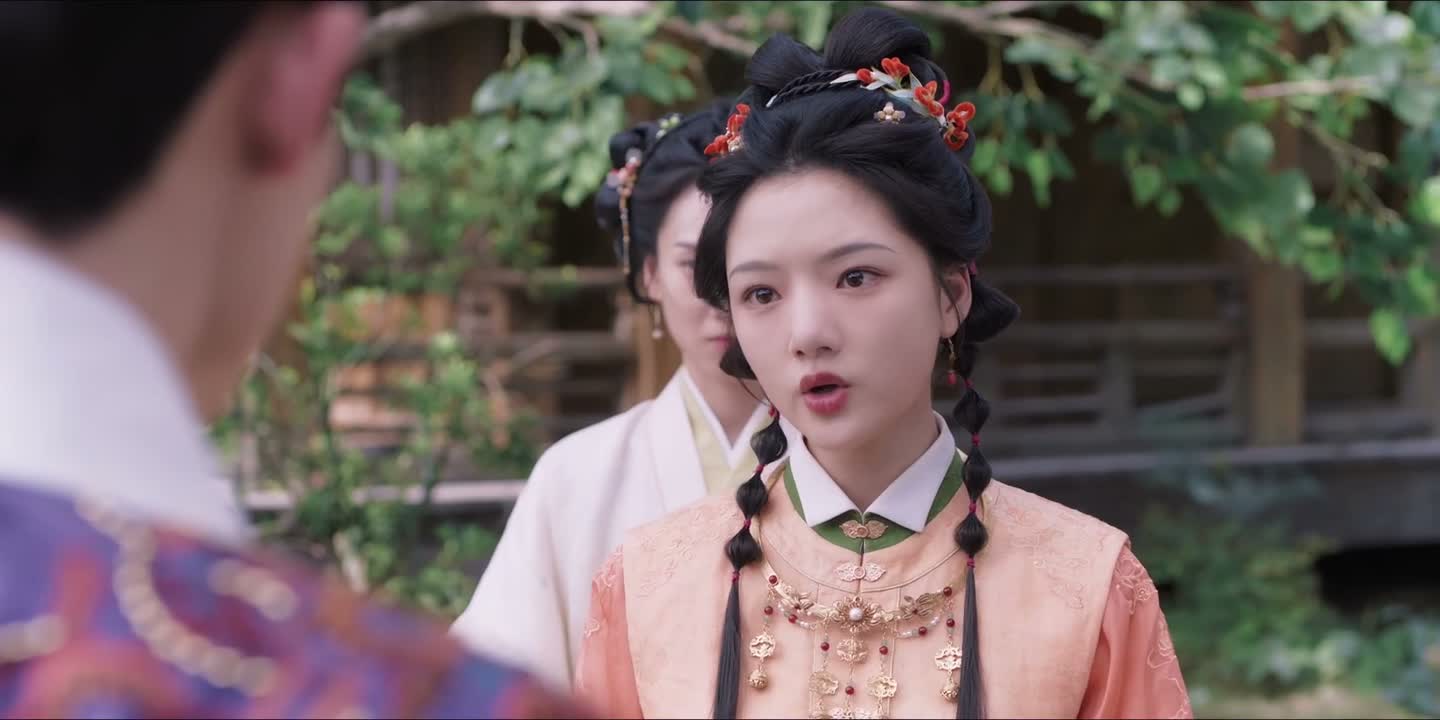
“I have things to do. I'll take my leave.”
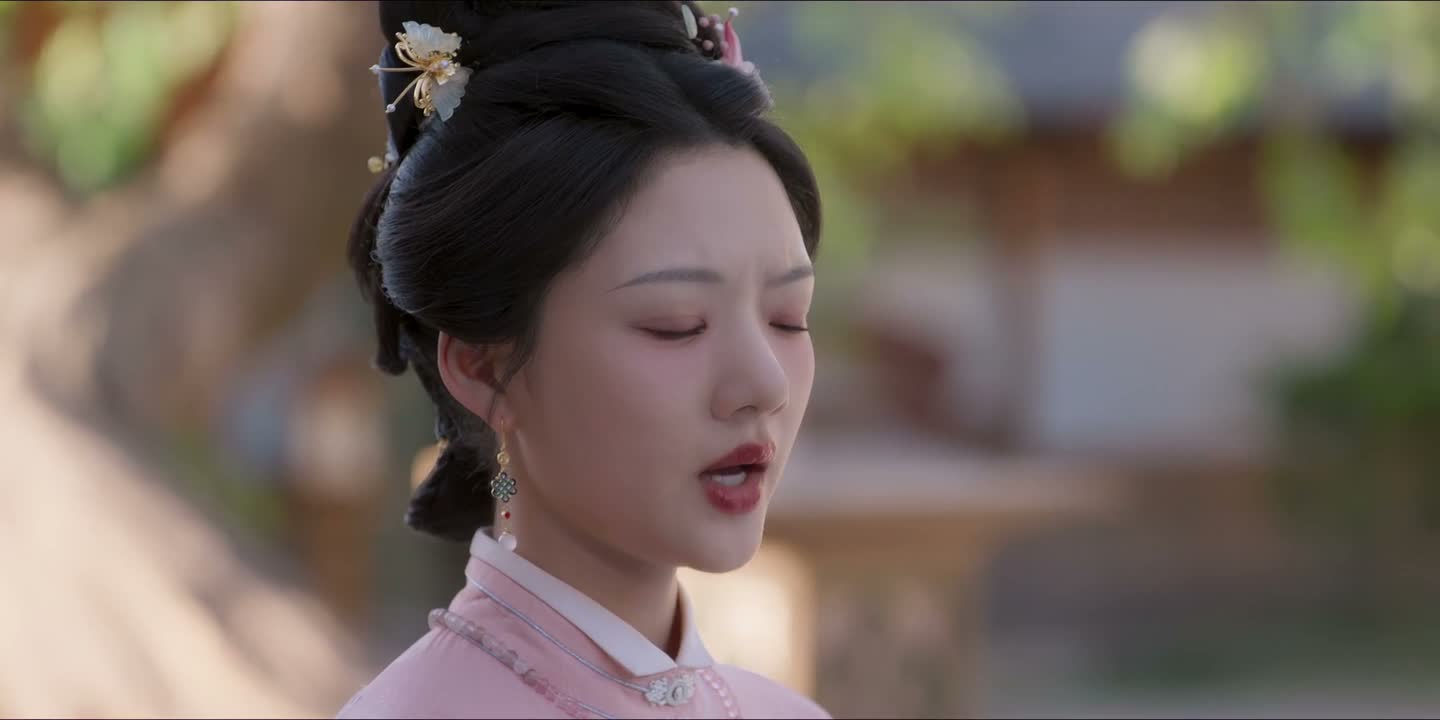
“I have something to do, so I'll leave first.”
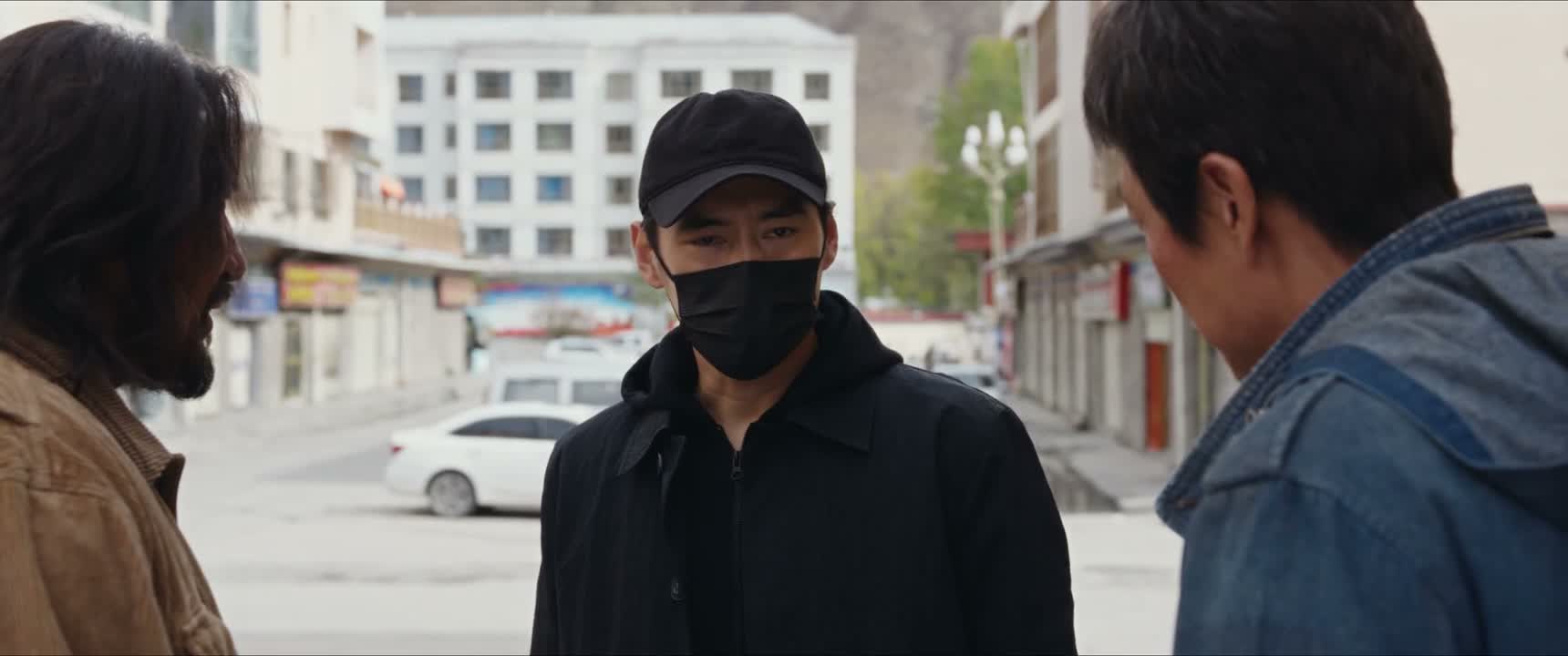
“I have things to do. I'm leaving.”

“I have matters to attend to, I'll take my leave.”