MC
MandarinClips Cinema Corpus
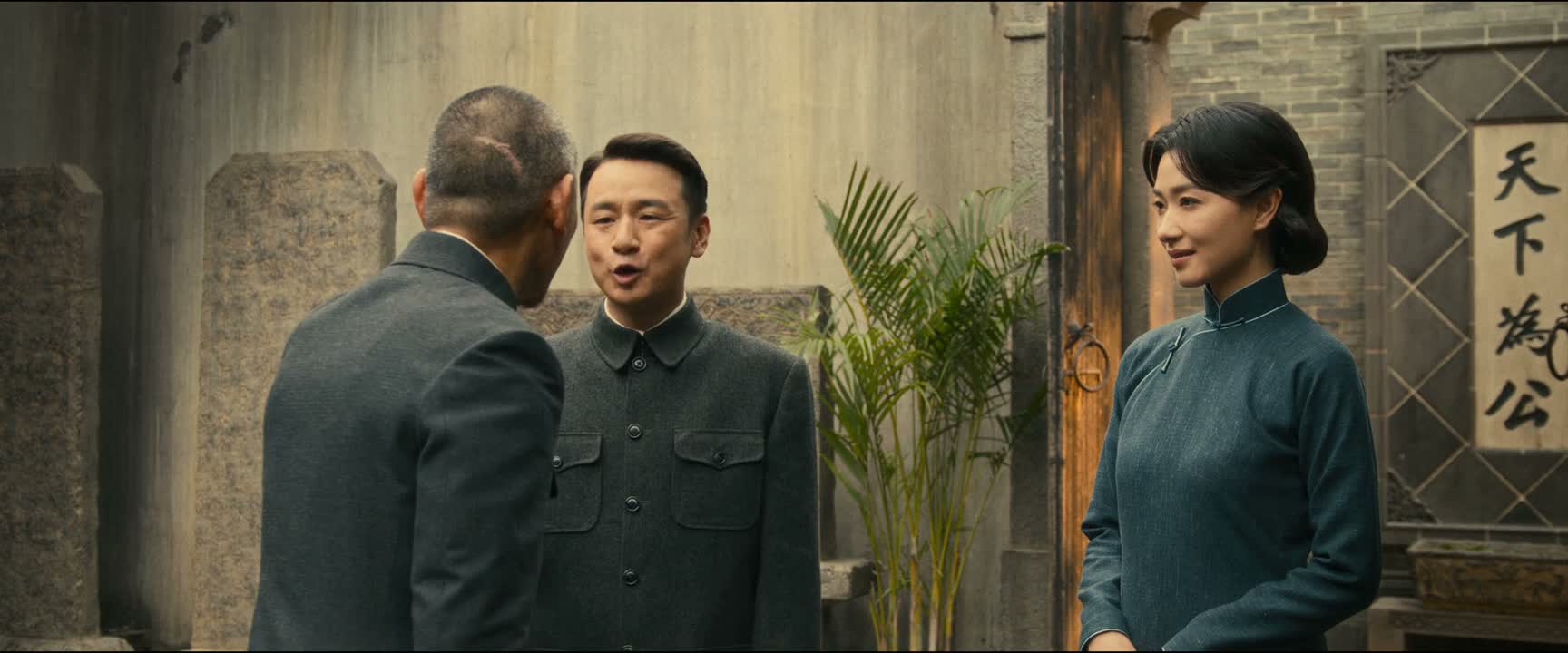
《Archives: The Nanyang Mystery》 S1·E20 (00:23) HSK 4
wǒ men shì xiān xù jiù ne hái shì zhí jiē liáo zhèng shì

我们是先叙旧呢 还是直接聊正事

“Should we catch up first or get down to business?”

《Archives: The Nanyang Mystery》 S1·E20
TIMECODE: 00:23 · 1080P MASTER AUDIO

THE DIALOGUE REEL

1+1+1 SPOKEN CONTINUITY
[-1] PREVIOUS TURN yě bù hǎo ràng nǐ men mǎ shàng zǒu

也不好让你们马上走

“I can't make you leave now.”

wǒ men shì xiān xù jiù ne hái shì zhí jiē liáo zhèng shì CURRENT FOCUS

我们是先 叙旧 呢 还是 直接 聊正事

“Should we catch up first or get down to business?”

[+1] FOLLOW-UP TURN zhāng hǎi lóu

张海楼

“Zhang Hailou,”

Subtitles synced to millisecond timecode Browse Show Clips →
Scene: Social & Dating
Function: AGENDA SETTING
Tone: PROBING
Emotion: ANTICIPATION
WHAT THEY REALLY MEAN (PRAGMATIC SUBTEXT)
“Are we going to pretend to be friendly first, or just cut to the chase?”
💡 Cultural Insight: Guanxi Warming vs. Efficiency

In Chinese culture, business is traditionally lubricated by 'xujiu' (reminiscing/bonding), but modern or high-stress contexts often prompt speakers to overtly ask whether to bypass etiquette for speed.

INTENT TAGS: #probing #transitioning #agenda_setting #casual
🧩

LEARNING CHUNKS & PARTICLES

2 CHUNKS · 1 PARTICLES
叙旧 SPOKEN CHUNK

reminisce about old times

Used when meeting old friends, acquaintances, or former colleagues after a period of separation.

聊正事 SPOKEN CHUNK

talk business; discuss serious matters

A colloquial phrase used to transition from casual small talk into substantive topics.

Modal Particle「呢」 (ne) CHANGE OF STATE

Softens the rhetorical alternative question and creates an expectant, conversational pause.
🏮

VOCABULARY & EXPRESSIONS

2 EXPR · 2 GRAMMAR
CROSS-CINEMA CORPUS BOARD · PARALLEL SCENES

Parallel Spoken Cinema Scenes (语义近邻切片)

EXPLORE BY SEMANTIC SIMILARITY
《Archives: The Nanyang Mystery》 S1·E20 (00:23) · Authentic Cinema Dialogue Corpus