你这些天一个人待着
“What have you been doing,”
THE DIALOGUE REEL
“You really are a worrier. Take care of yourself first.”
你这些天 一个人待着
“What have you been doing,”
都干什么了
“staying here alone all this time?”
Direct spoken expression in this communicative setting.
Asking about mundane details of someone's solitary daily routine is a standard Chinese conversational way to show care and attentiveness.
LEARNING CHUNKS & PARTICLES
staying alone; being by oneself
A very common colloquial expression used to describe spending time alone without company.
these past few days; recently
Use this time phrase in casual conversations to refer to the recent few days.
VOCABULARY & EXPRESSIONS
Parallel Spoken Cinema Scenes (语义近邻切片)

“I want to be alone for a while.”
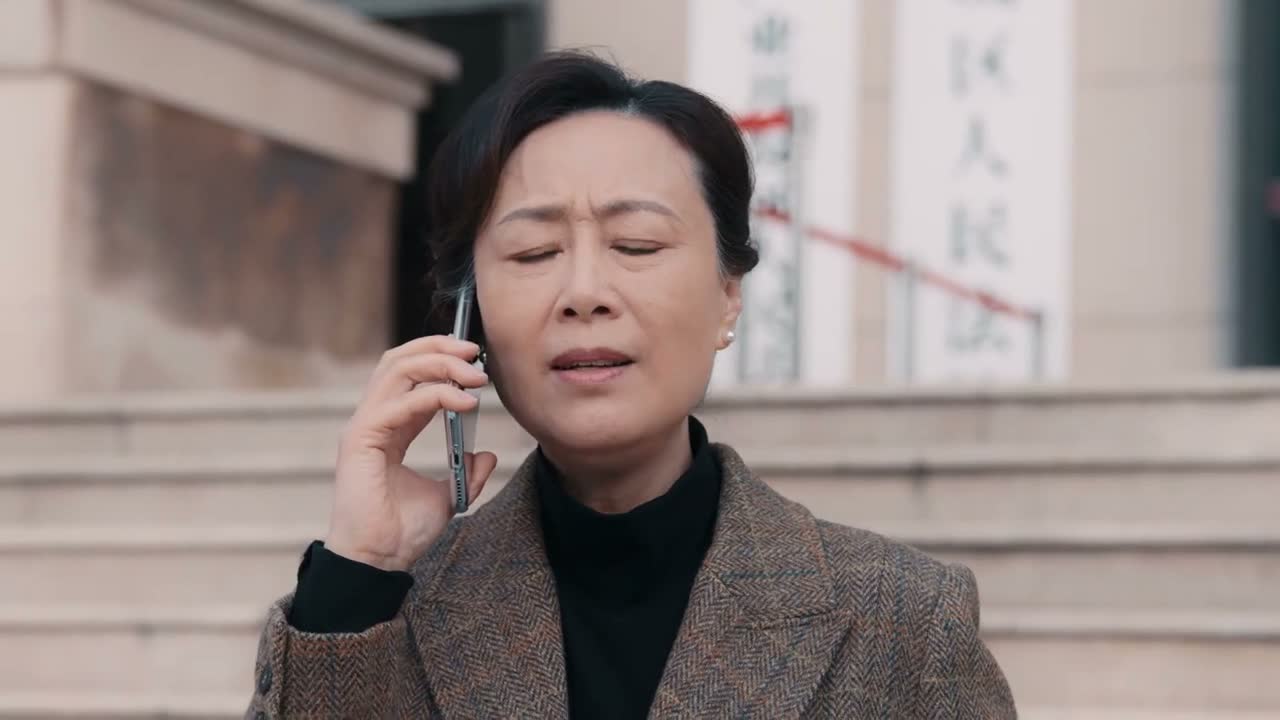
“All of you!”

“Just you.”

“Having fun all by yourself here?”

“(You're not alone anymore.) (So whatever you're feeling,)”
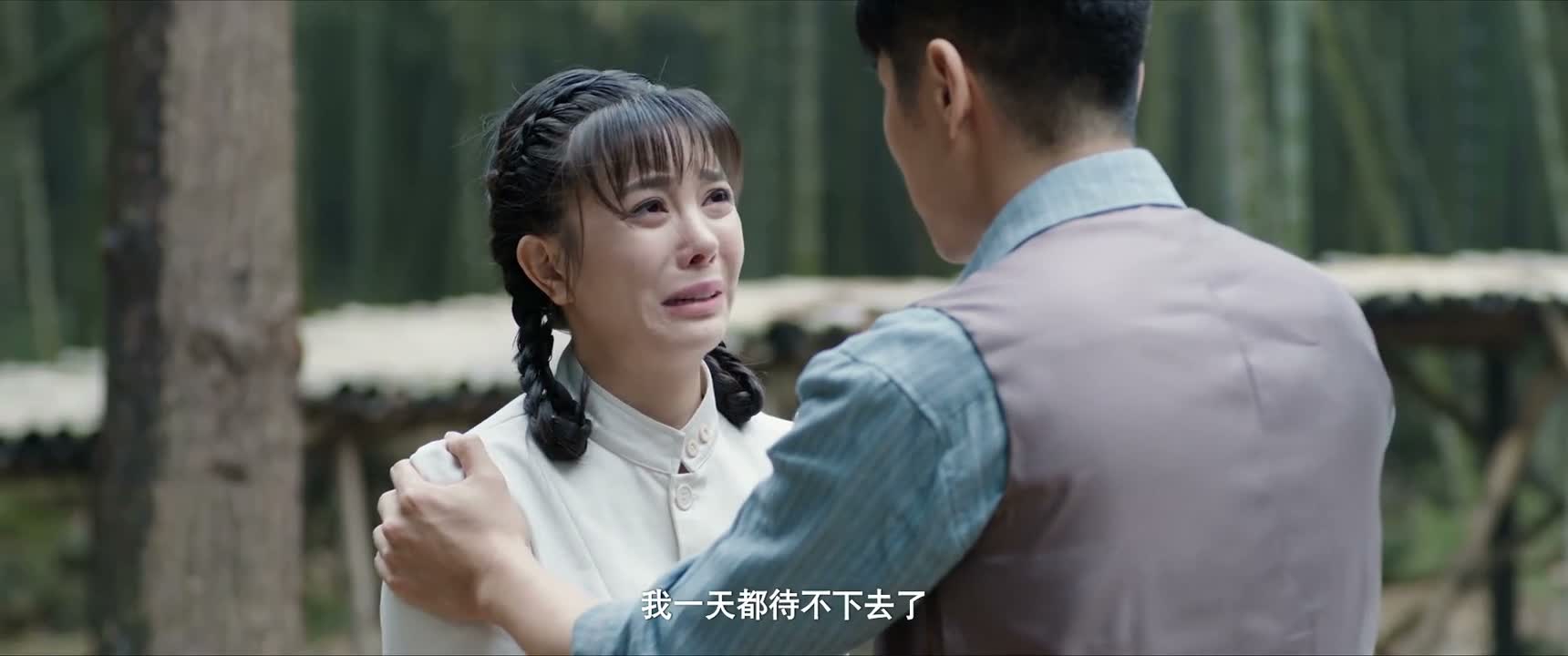
“I can't stand it here another day.”