别看我 我 我没法先表态
“Don't look at me. I can't be the first to speak.”
THE DIALOGUE REEL
别看我 我 我 没法先表态
“Don't look at me. I can't be the first to speak.”
“If I do, my wise persona will be gone.”
“Do not drag me into this mess; whoever speaks first takes the fall.”
In Chinese institutional culture, premature declaration of one's stance carries political risk; seasoned operators wait for consensus or superiors' cues before revealing their hand.
LEARNING CHUNKS & PARTICLES
don't look at me; leave me out of this
A frequent idiomatic deflection used when a group suddenly turns to one person to make a tough call or answer an awkward question.
state one's stance; declare an official opinion
Widely used in institutional, bureaucratic, and corporate contexts regarding taking a public side on a controversial issue.
VOCABULARY & EXPRESSIONS
Parallel Spoken Cinema Scenes (语义近邻切片)
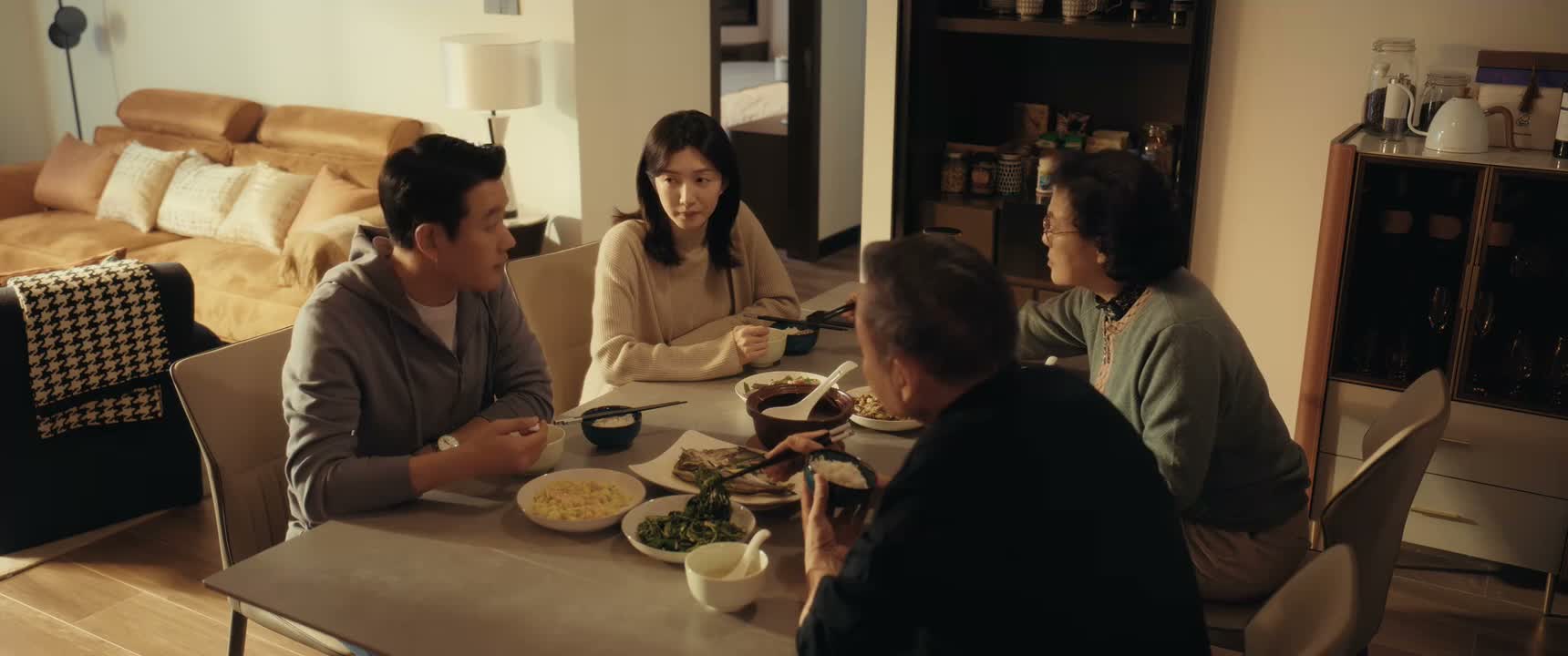
“Don't look at me. They won't lay me off.”

“Don't look at me like that. Let me tell you,”

“No. I'm not looking. Put your clothes on already.”

“Me? Can I? Does it have anything to do with me?”

“Stop staring at me. Even if I did get work done, you wouldn't be able to tell just by looking.”

“No need to check. I placed all these orders.”