MC
MandarinClips Cinema Corpus
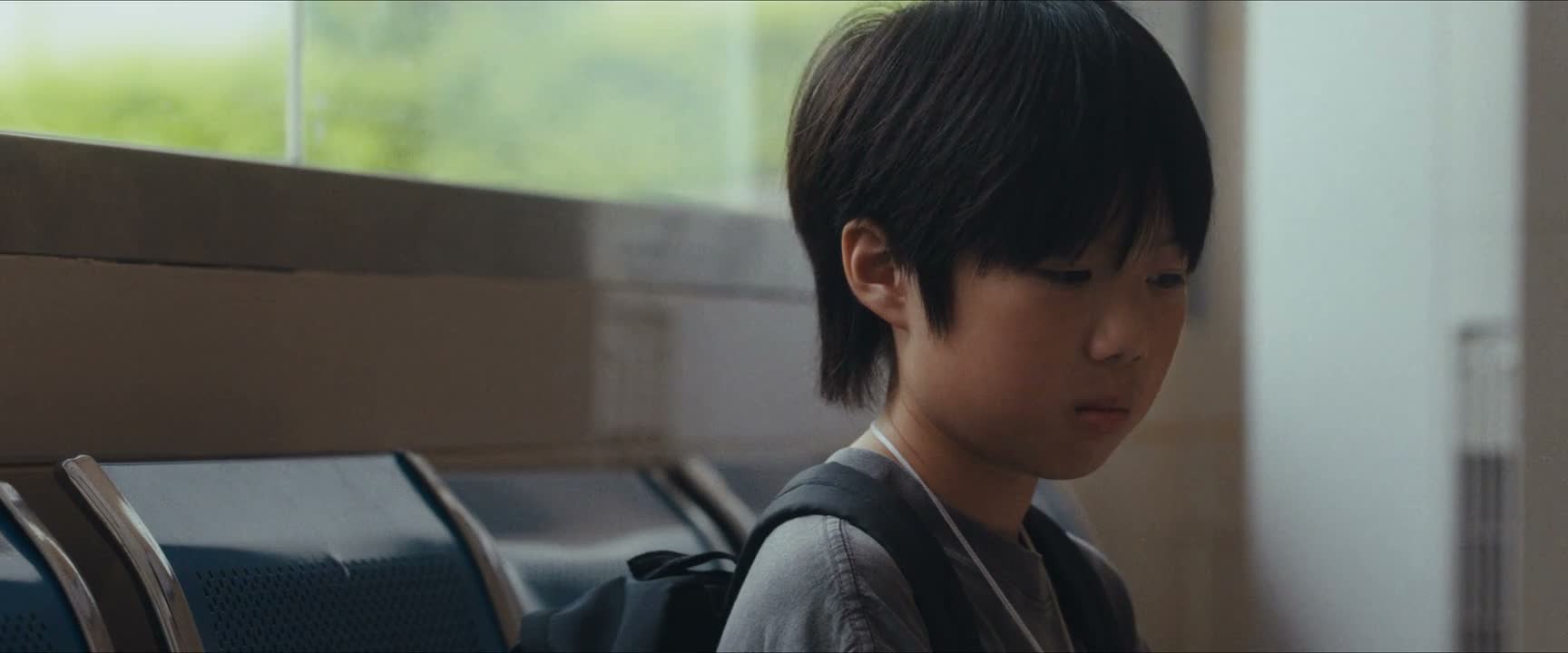
《The Truth》 S1·E23 (28:00) HSK 4
xíng xíng le xíng le liú zài wǒ men zhè ér jiù xíng le nǐ máng nǐ de qù ba

行 行了行了 留在我们这儿就行了 你忙你的去吧

“Okay, that's enough. He can just stay with us. You go do your thing.”

《The Truth》 S1·E23
TIMECODE: 28:00 · 1080P MASTER AUDIO

THE DIALOGUE REEL

1+1+1 SPOKEN CONTINUITY
[-1] PREVIOUS TURN jiāo shū shū jiāo dà yé

焦叔叔 焦大爷

“Uncle Jiao. Grandpa Jiao.”

xíng xíng le xíng le liú zài wǒ men zhè ér jiù xíng le nǐ máng nǐ de qù ba CURRENT FOCUS

行 行了行了 留在我们这儿 就行了 你忙你的去吧

“Okay, that's enough. He can just stay with us. You go do your thing.”

[+1] FOLLOW-UP TURN wǒ qù shì lǐ kāi gè huì hǎo

我去市里开个会 好

“Got a meeting in the city. Okay.”

Subtitles synced to millisecond timecode Browse Show Clips →
Scene: Workplace
Function: DISMISSAL
Tone: DISMISSIVE YET AUTHORITATIVE
Emotion: IMPATIENCE
WHAT THEY REALLY MEAN (PRAGMATIC SUBTEXT)
“I got it, stop fussing and get back to your own work.”
💡 Cultural Insight: Senior Dismissal Etiquette

Senior figures or elders can casually dismiss juniors with phrases like '你忙你的' to quickly conclude interactions without causing offense.

INTENT TAGS: #dismissal #delegation #efficiency #curtness
🧩

LEARNING CHUNKS & PARTICLES

2 CHUNKS · 2 PARTICLES
行了行了 SPOKEN CHUNK

alright, that's enough; that will do

Repeated to signal mild impatience and to cut someone off from further talking or hovering.

你忙你的去吧 SPOKEN CHUNK

go attend to your own business

A standard, pragmatic way to dismiss a subordinate or colleague after completing a task.

Modal Particle「了」 (le) CHANGE OF STATE

Reinforces finality in '行了', signaling that the issue is settled.

Modal Particle「吧」 (ba) CHANGE OF STATE

Softens the imperative order to dismiss the listener.
🏮

VOCABULARY & EXPRESSIONS

3 EXPR · 0 GRAMMAR
CROSS-CINEMA CORPUS BOARD · PARALLEL SCENES

Parallel Spoken Cinema Scenes (语义近邻切片)

EXPLORE BY SEMANTIC SIMILARITY
《The Truth》 S1·E23 (28:00) · Authentic Cinema Dialogue Corpus