你知道最可笑的是什么吗
“Do you know what the most ridiculous part is?”
THE DIALOGUE REEL
肖稚宇
“Xiao Zhiyu.”
你知道 最可笑的是什么 吗
“Do you know what the most ridiculous part is?”
是你这里
“Right here.”
“You think you're clever, but your entire stance is a pathetic joke.”
Framing an argument with 'Do you know what is most ridiculous?' is a classic rhetorical device in Chinese conflicts to establish intellectual or moral superiority before exposing the listener's flaw.
LEARNING CHUNKS & PARTICLES
the most ridiculous/ironic thing is
Commonly used in spoken Chinese to introduce the core irony or absurdity in a story or confrontation.
Forms a rhetorical question that compels the listener's focus before delivering a verbal blow.
VOCABULARY & EXPRESSIONS
Parallel Spoken Cinema Scenes (语义近邻切片)
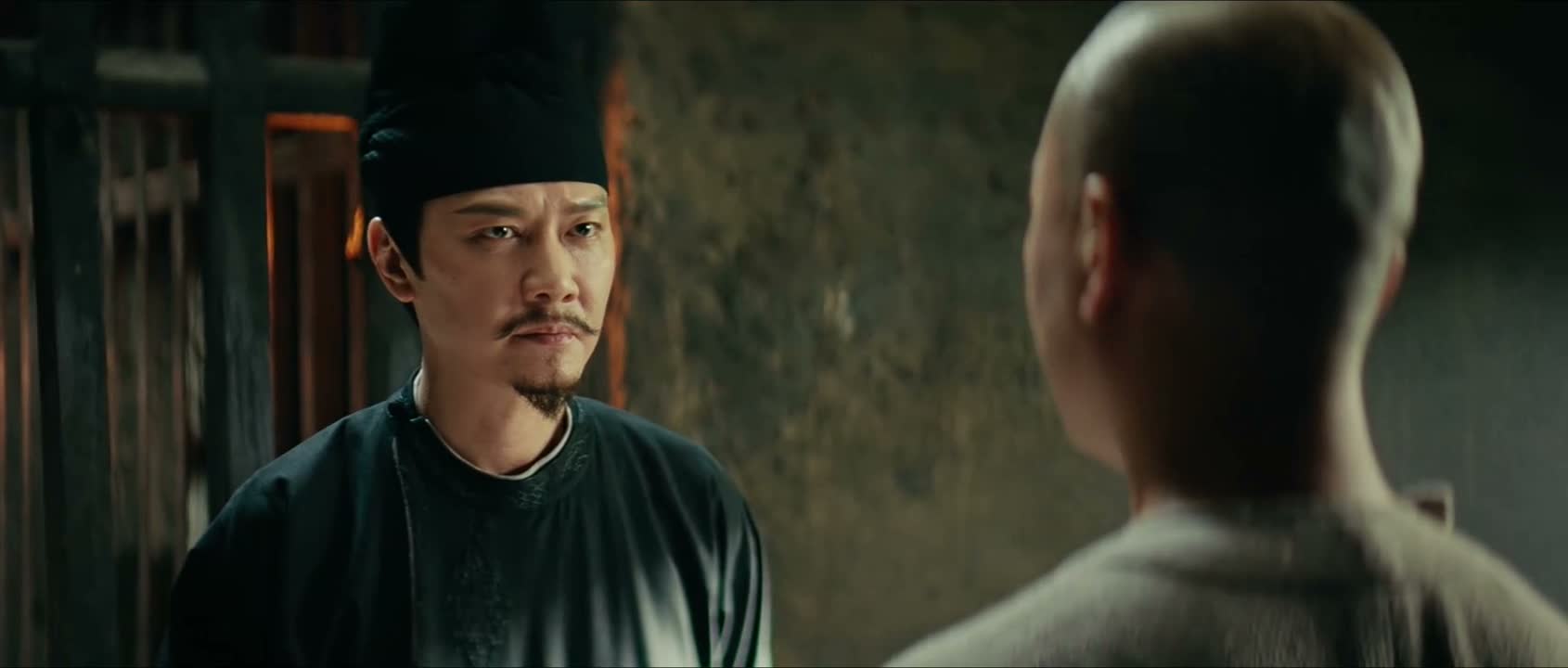
“really are a joke.”

“it's utterly ridiculous.”

“It's absolutely ridiculous!”
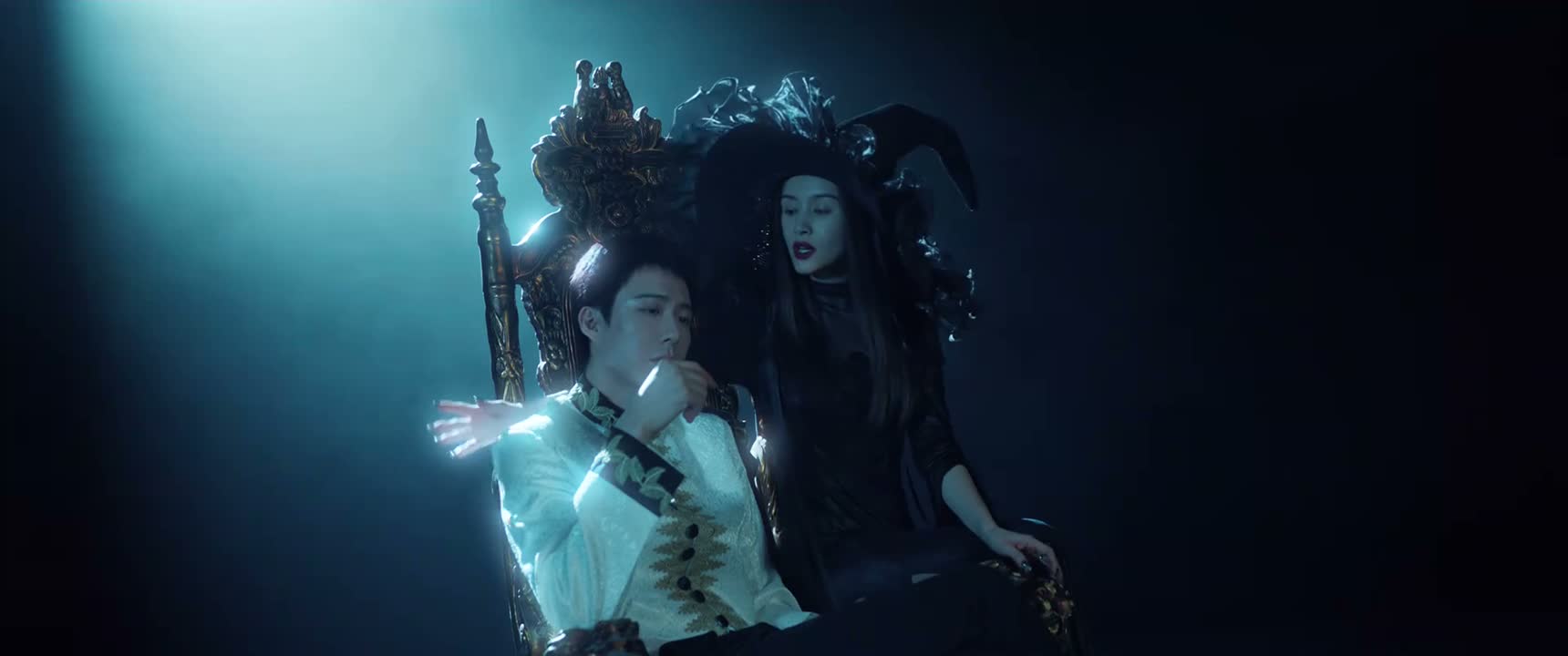
“What makes you happiest?”
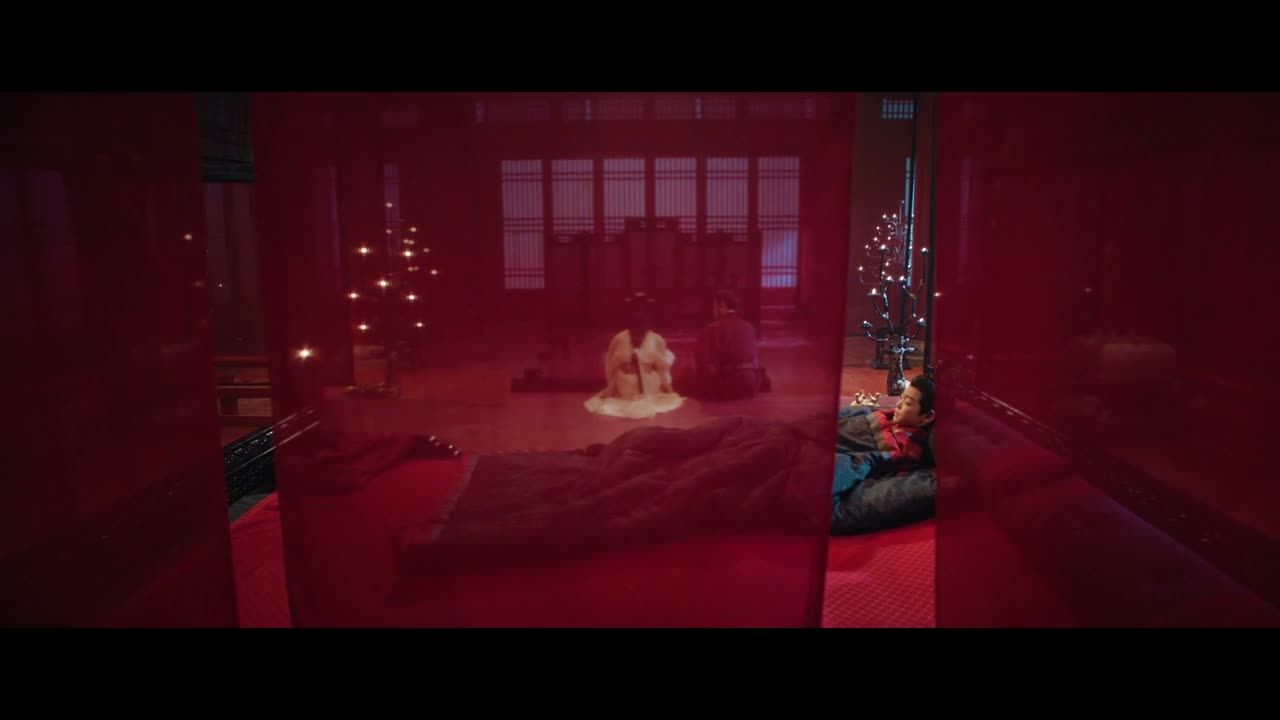
“You think that's funny, don't you?”

“Don't you find yourself ridiculous when you say these things?”