看来醉翁之意不在酒啊
“Seems like he's got other things in mind.”
THE DIALOGUE REEL
又来
“He's here again?”
看来 醉翁之意不在酒 啊
“Seems like he's got other things in mind.”
难道是我想多了
“Maybe I'm overthinking it.”
“You didn't come here just for that; you have an ulterior motive involving me.”
Chinese speakers often rely on classical literary idioms to tease acquaintances about their true romantic or social intentions without being confrontational.
LEARNING CHUNKS & PARTICLES
having an ulterior motive; having hidden intentions
A very common Chengyu used playfully or critically when someone uses an apparent excuse to pursue a completely different goal.
it seems; it looks like
Used at the beginning of a clause to introduce a deduction or personal inference based on observed cues.
Softens the assertion and adds an expressive, playful realization to the remark.
VOCABULARY & EXPRESSIONS
Parallel Spoken Cinema Scenes (语义近邻切片)

“I'm worried they have ulterior motives.”

“I don't have a problem with the wine.”
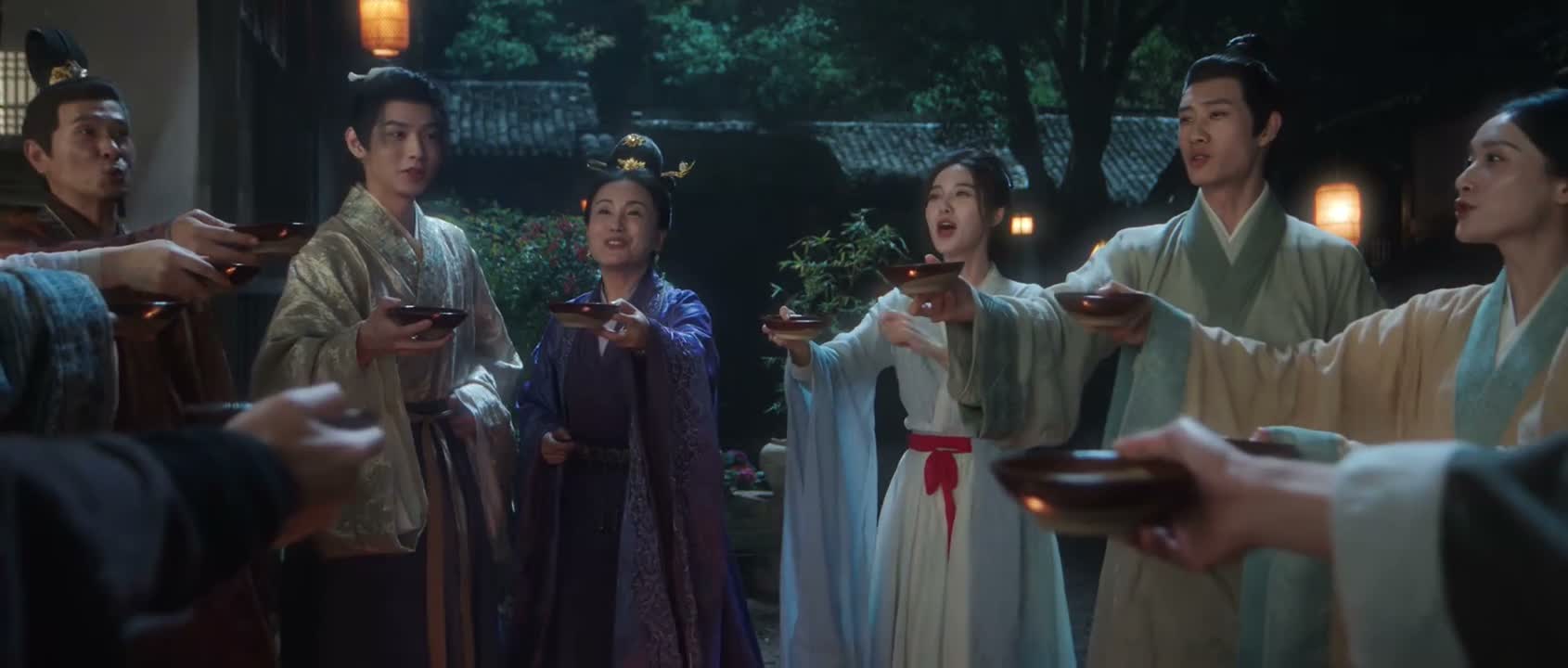
“Till we're done!”

“Naturally, we should comfort our sorrows with wine”

“Then let me get drunk.”
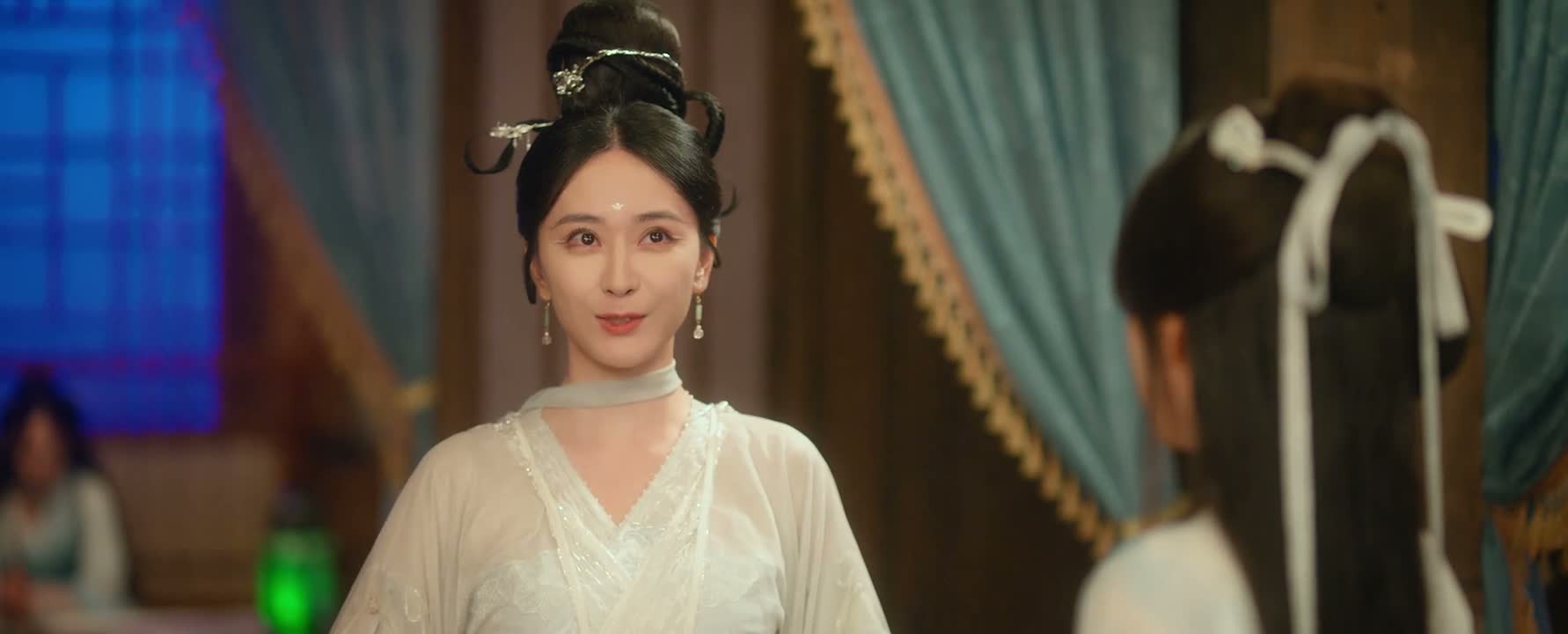
“What's wrong with idling the rest”