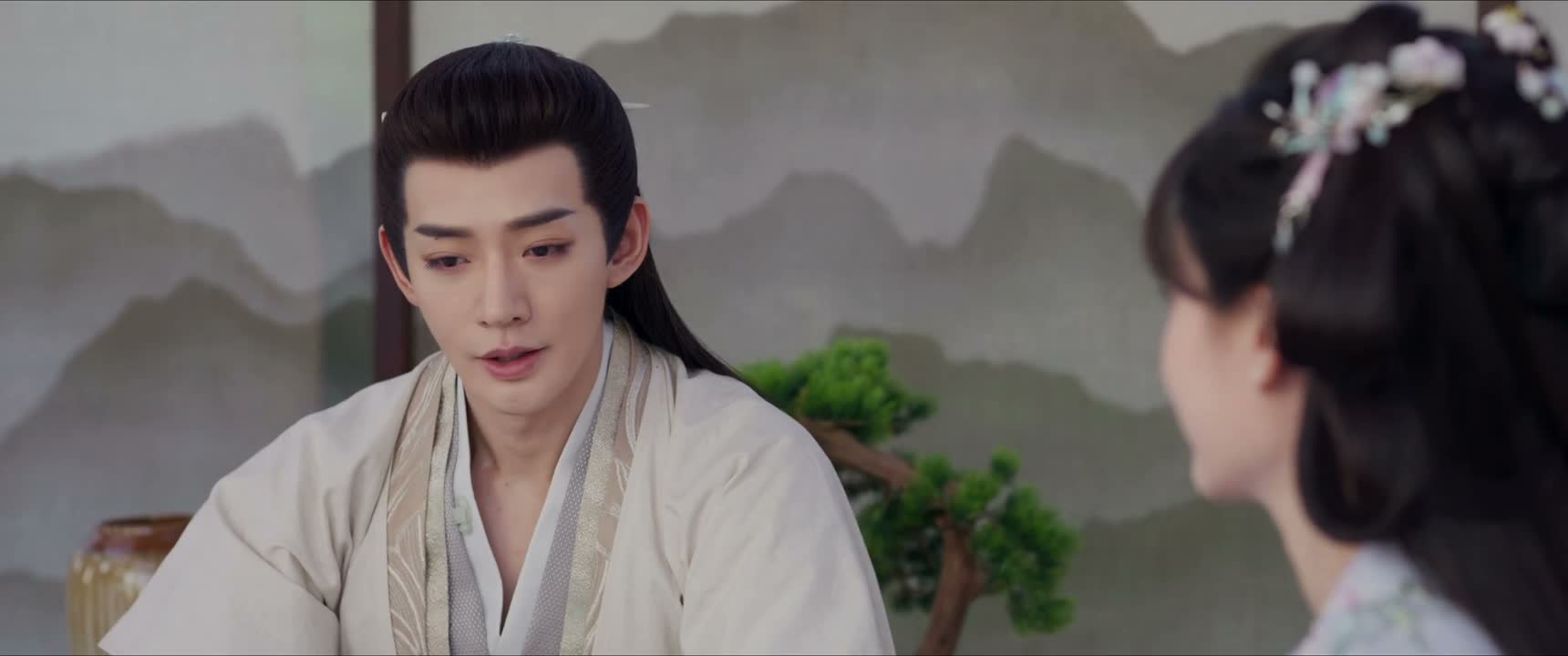
《Generation to Generation》 S1·E28 (03:55)
HSK 5
bù rán wǒ hé yé yé zěn me néng chū qù
不然我和爷爷怎么能出去
“Otherwise, how could Grandfather and I go out?”
《Generation to Generation》
S1·E28
TIMECODE: 03:55
·
1080P MASTER AUDIO
THE DIALOGUE REEL
[-1] PREVIOUS TURN
hái yǔn xǔ wǒ men zì yóu chū rù hàn hǎi shān mài
还允许我们自由出入瀚海山脉
“and allowed us to travel freely in the Hanhai Mountains.”
bù rán wǒ hé yé yé zěn me néng chū qù
CURRENT FOCUS
不然 我和爷爷 怎么能 出去
“Otherwise, how could Grandfather and I go out?”
[+1] FOLLOW-UP TURN
shǎo jūn
少君
“Young Master,”
Subtitles synced to millisecond timecode
Browse Show Clips →
Scene:
Crisis & Conflict
Function:
JUSTIFYING
Tone:
ARGUMENTATIVE
Emotion:
DEFENSIVENESS
WHAT THEY REALLY MEAN (PRAGMATIC SUBTEXT)
“Be realistic; without this concession, my grandfather and I would be trapped here forever.”
💡 Cultural Insight: Pragmatic Rhetorical Counter-questioning
Using a rhetorical question with '怎么能' (how could...) is a standard Chinese conversational strategy to assert logical necessity and fend off criticism.
INTENT TAGS:
#justification
#self_defense
#rhetorical_question
#reasoning
🧩
2 CHUNKS · 0 PARTICLES
LEARNING CHUNKS & PARTICLES
不然
SPOKEN CHUNK
otherwise; if not
Commonly placed at the beginning of a clause to introduce the negative consequence that would happen if the premise were false.
怎么能
SPOKEN CHUNK
how could...; how is it possible to...
Used in rhetorical questions to emphasize impossibility or incredulity.
🏮
3 EXPR · 7 GRAMMAR
VOCABULARY & EXPRESSIONS
COLLOQUIAL EXPRESSIONS:
CROSS-CINEMA CORPUS BOARD · PARALLEL SCENES
EXPLORE BY SEMANTIC SIMILARITY
Parallel Spoken Cinema Scenes (语义近邻切片)

《Generation to Generation》 S1·E28 (03:55) · Authentic Cinema Dialogue Corpus