你说得我还挺不好意思的
“Now you're making me blush.”
THE DIALOGUE REEL
替我找回了童年美好的回忆
“bringing back those wonderful memories of my childhood.”
你说 得 我 还挺 不好意思 的
“Now you're making me blush.”
丹 喝点牛奶
“Xiaodan, have some milk.”
“You flatter me so much, but I am really happy you feel that way.”
In Chinese culture, accepting compliments with bashfulness or mild self-deprecation ('不好意思') demonstrates humility and good upbringing rather than actual shame.
LEARNING CHUNKS & PARTICLES
shy; embarrassed; flattered
Widely used to express modesty when receiving high praise, signaling that one feels unworthy of such compliments.
the way you put it; what you said
A conversational opener used to react emotionally or socially to someone's compliment or remark.
Functions as a nominalizer or descriptive marker rounding off the predicate complement structure.
VOCABULARY & EXPRESSIONS
Parallel Spoken Cinema Scenes (语义近邻切片)

“It's a bit embarrassing to say, but actually,”
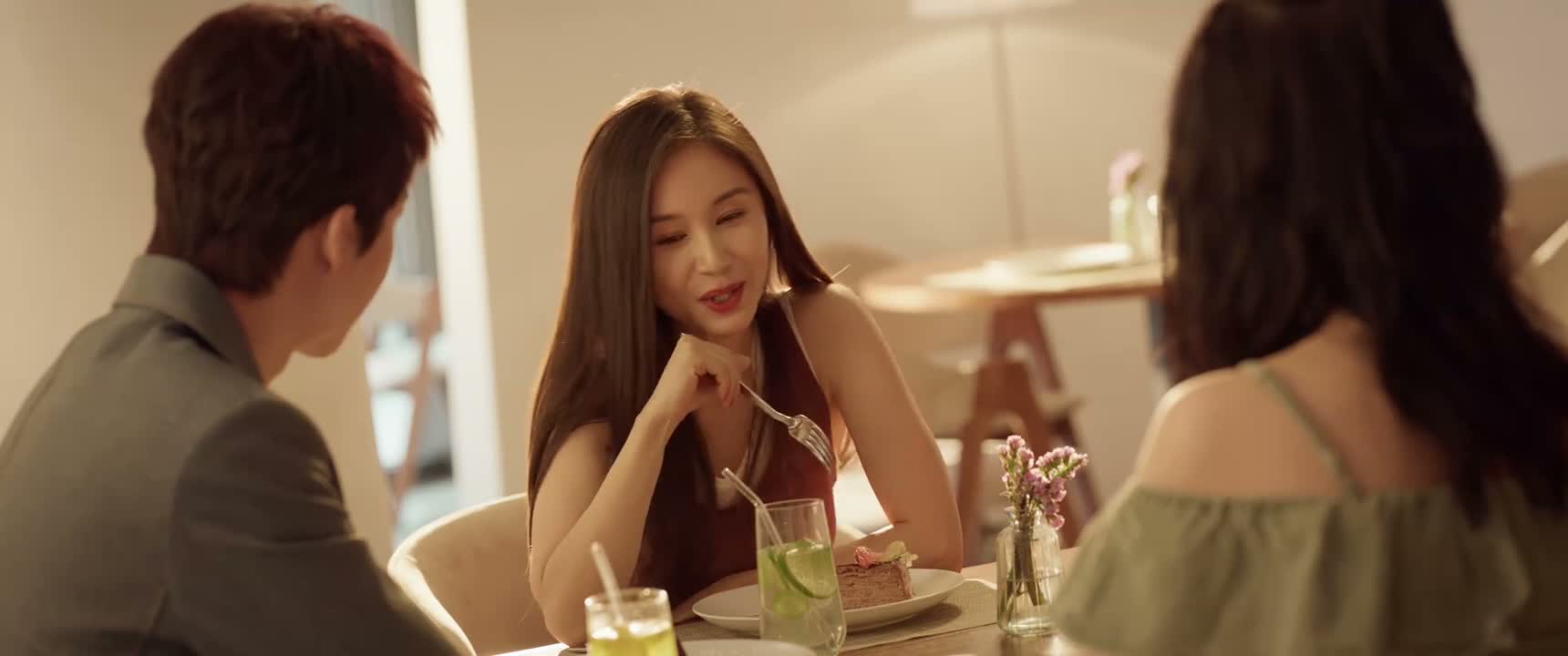
“Now that you mention it, I'm so sorry.”

“Why are you being shy?”

“Thank you so much. Not at all. - Not at all. - Watch for thorns!”

“You earned it. Nothing to feel bad about.”
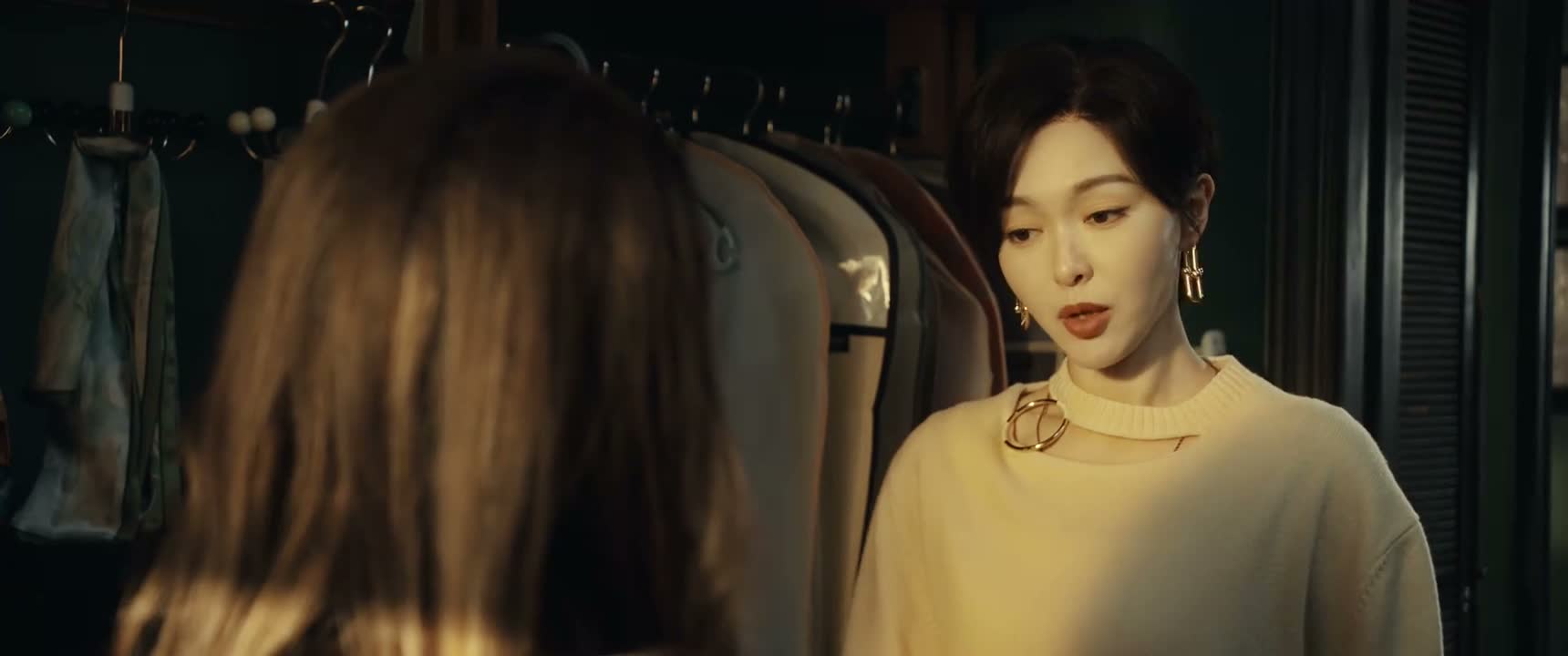
“Don't feel awkward about it.”

“feel a bit embarrassed. You see, we...”

“Why is he being so shy now?”

“this is awkward. Alright.”

“I'm sorry.”

“What's there to be shy about?”
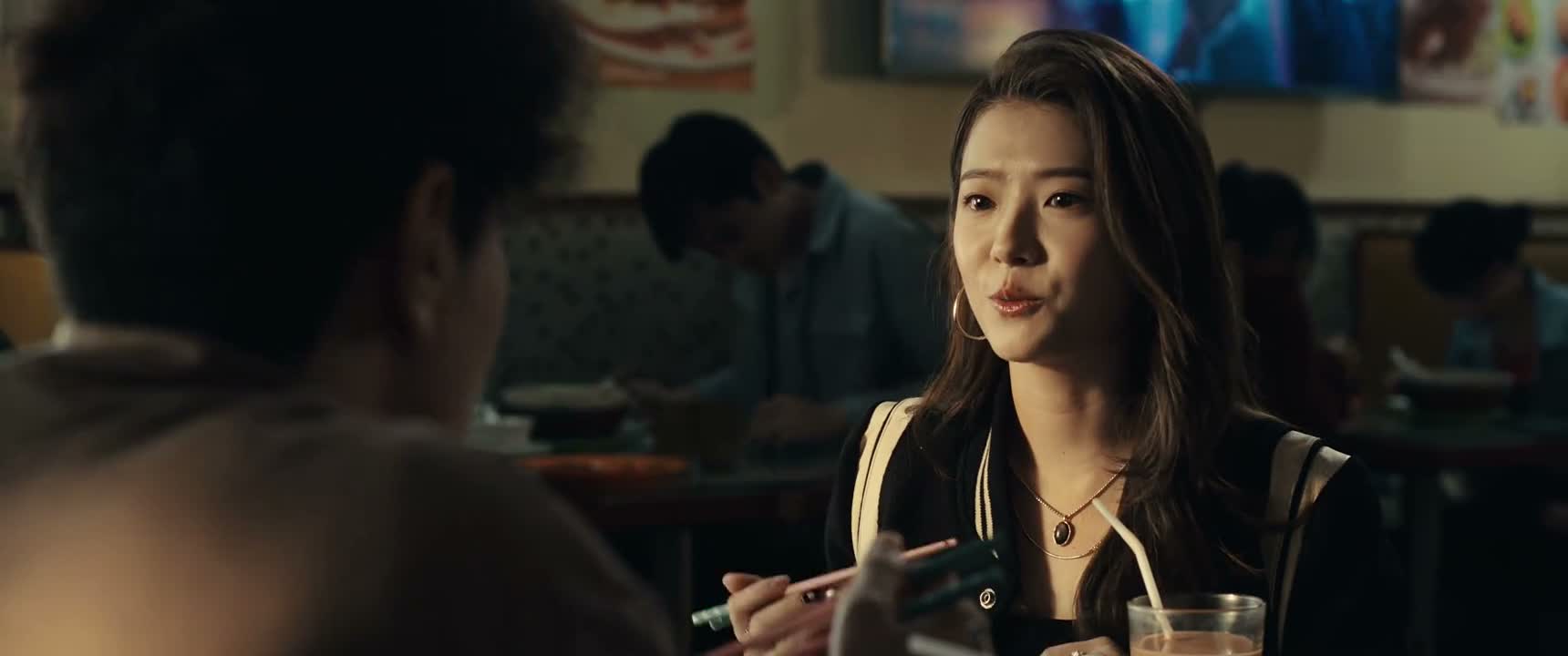
“I almost felt awkward asking. There's nothing awkward about it.”

“Then they will request more.”

“I feel bad”
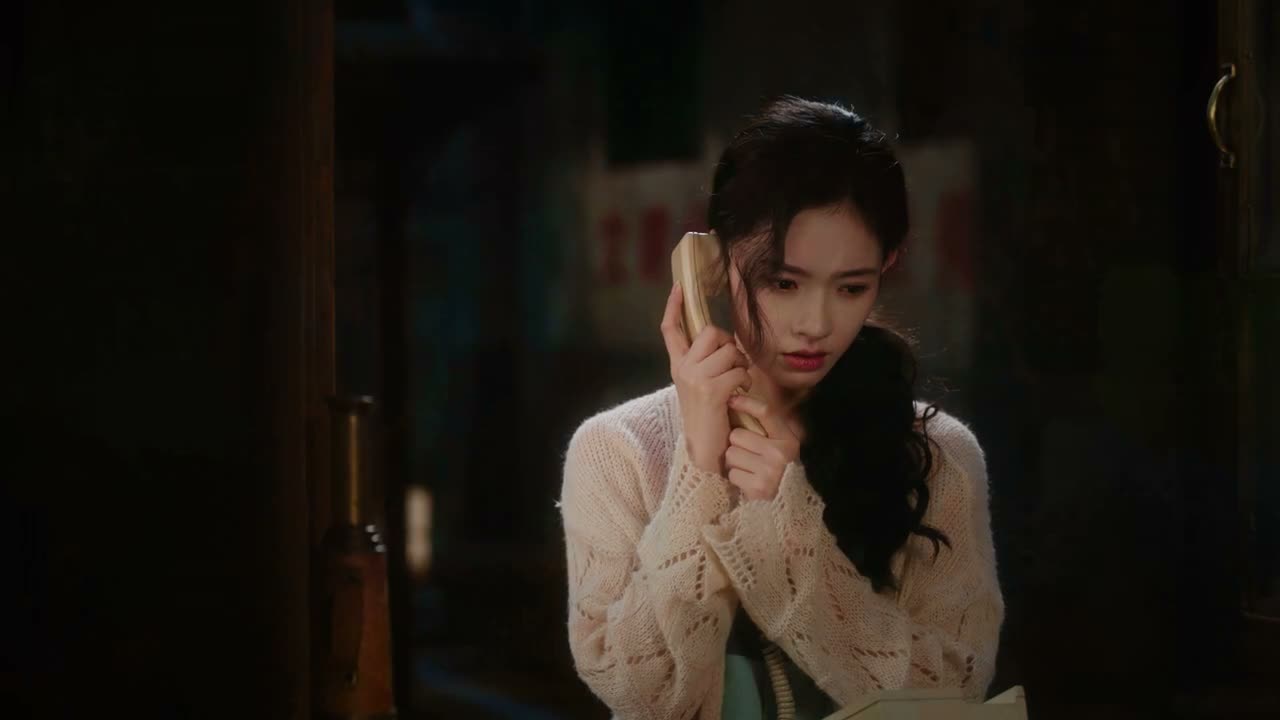
“If you feel awkward”

“I'm terribly sorry.”
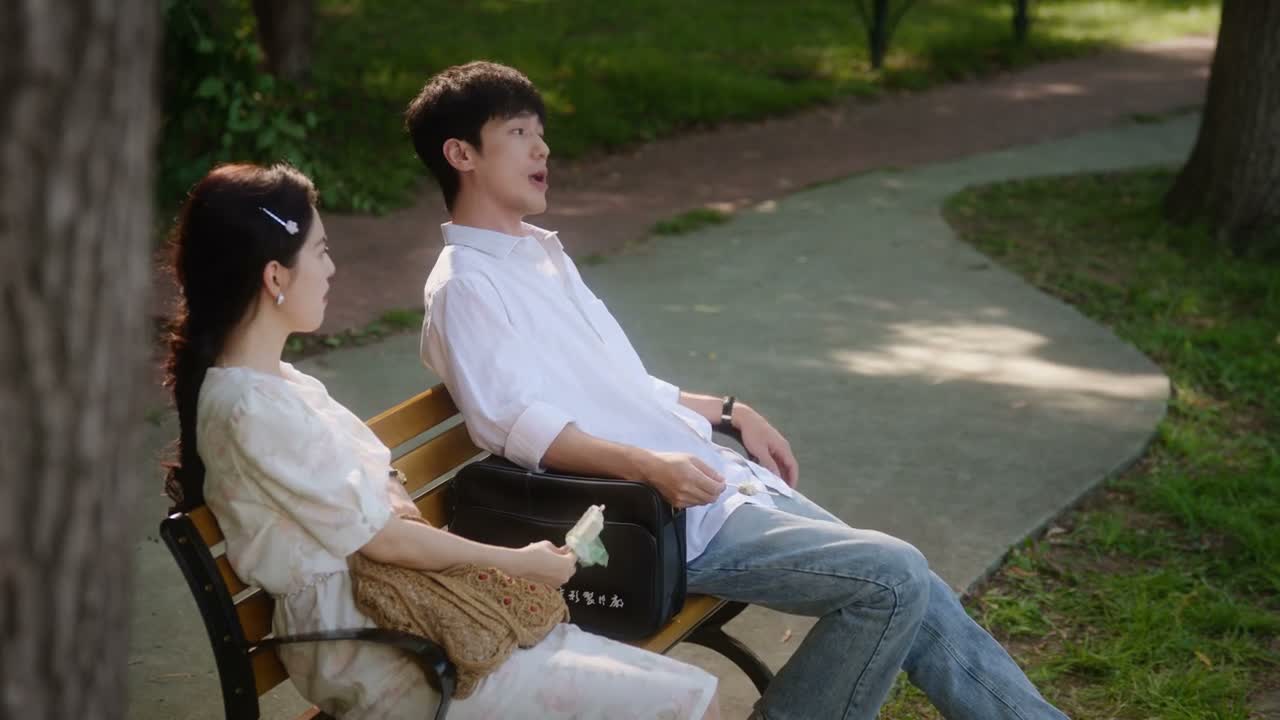
“If you feel shy,”

“You're being shy?”

“If you're really too embarrassed,”