再晚就来不及了
“Go now, or it will be too late.”
THE DIALOGUE REEL
快去吧
“Go now, or it will be too late.”
再 晚 就 来不及了
“Go now, or it will be too late.”
- 是你报案的吗? - 是啊
“- You phoned police? - [man] Yeah.”
Direct spoken expression in this communicative setting.
High-urgency warnings often pair comparative time conditions ('再晚') directly with absolute consequence formulas ('来不及了') to trigger rapid action.
LEARNING CHUNKS & PARTICLES
any later
Used as a conditional phrase to stress that further delay will cause negative consequences.
too late / there's no time
An essential spoken phrase used whenever time has run out or an impending deadline cannot be met.
Signals an imminent change of state or inescapable conclusion if action is not taken.
VOCABULARY & EXPRESSIONS
Parallel Spoken Cinema Scenes (语义近邻切片)
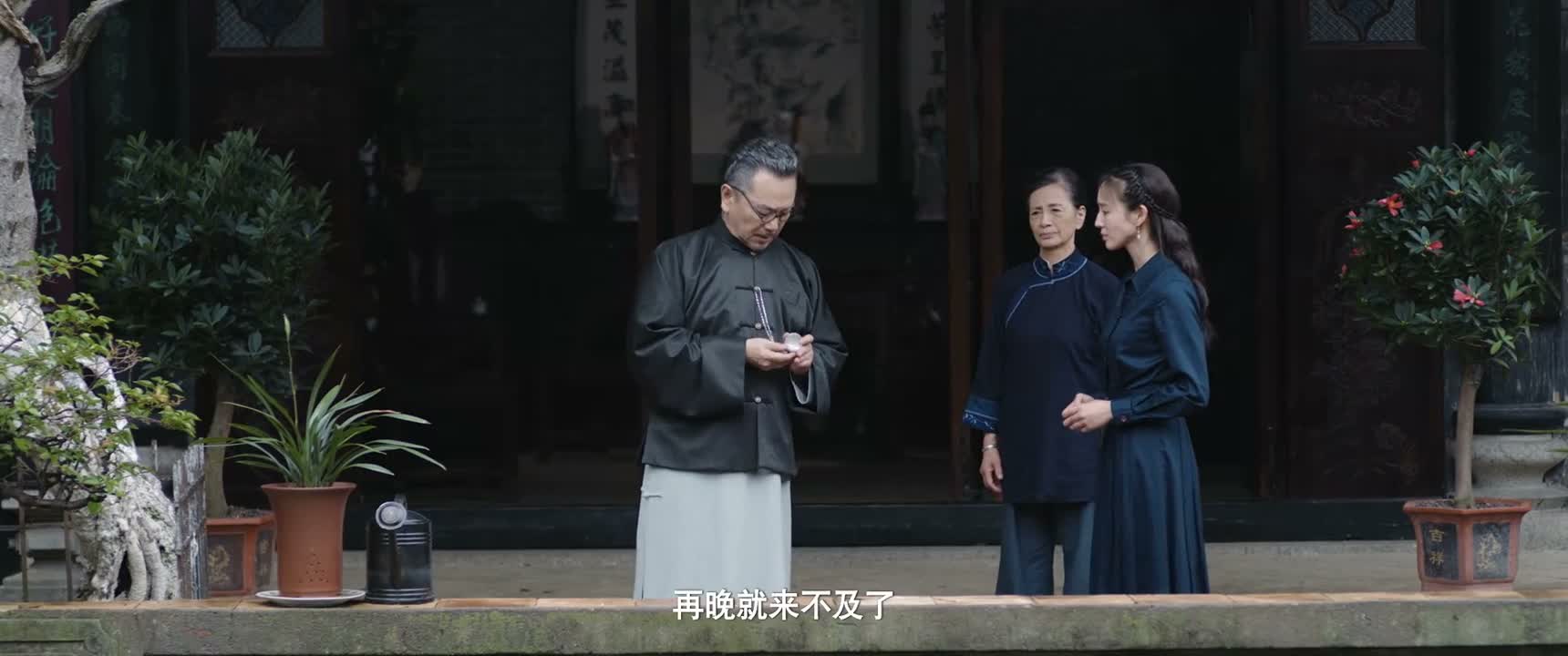
“Any later and it'll be too late.”

“We can't wait any longer.”

“It'll be too late to regret it.”
“You'll run out of time again and get rushed.”

“(But I don't think it'll work this year)”

“Will he be late?”

“If we don't leave now, it'll be too late!”
“I'm afraid we won't make it on time.”

“It's too late to talk about it now.”

“Or it'll be too late! Open it! Li,”

“it'll be too late. It's over.”

“It's too late,”

“If we don't get in now, it'll be too late.”

“if we don't stop this now, it will be too late.”
“It's too late.”

“It's too late!”

“We'll miss it. Haven't finished yet.”

“to regret it now.”

“it might be too late to try.”
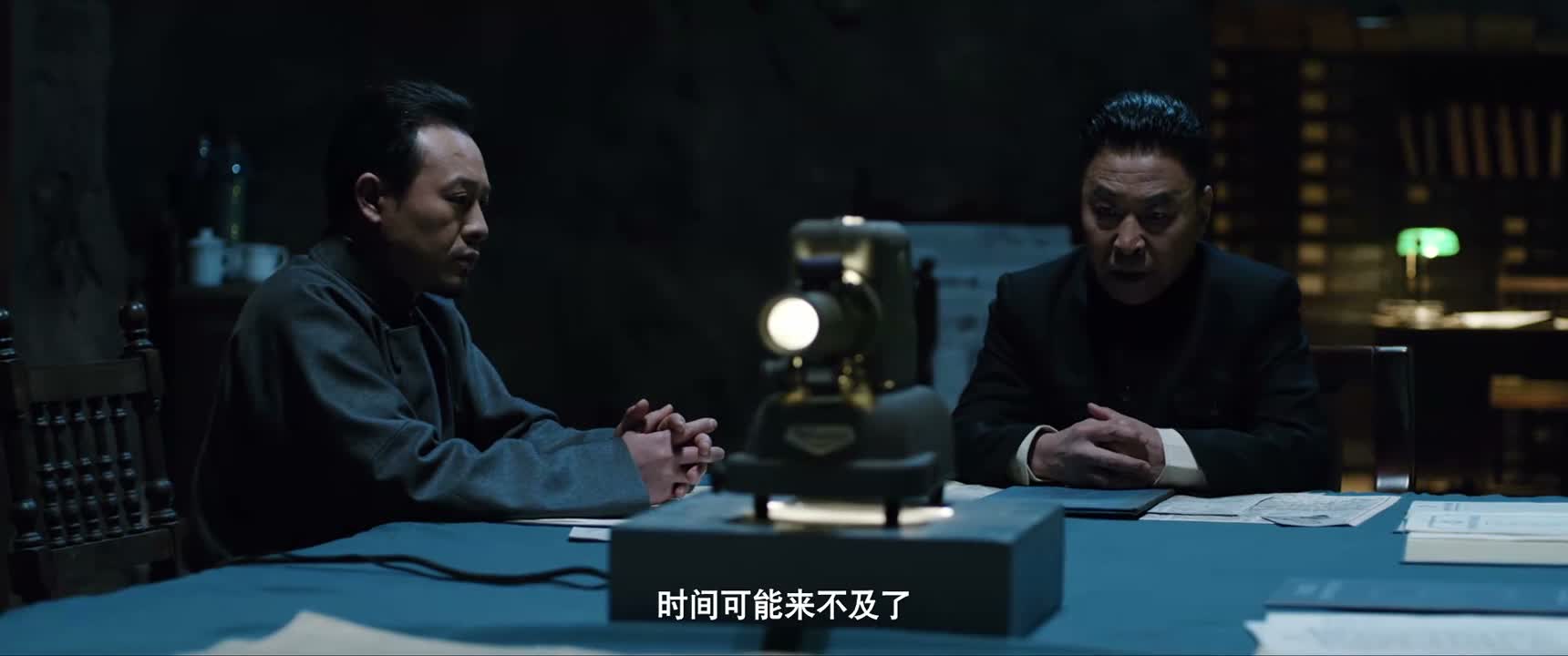
“Time may be running short.”
“[fan 22] You're too late, bro!”

“It's too late for you to know that now.”

“to Yanshou Ward to kill Cui Manshu.”

“I won't make it if I don't leave now.”