再不进去就来不及了
“If we don't get in now, it'll be too late.”
THE DIALOGUE REEL
眼看就要开门了
“The opening is almost here.”
再不进去就来不及了
“If we don't get in now, it'll be too late.”
《无双秘录》
“The Unparalleled Secret Magic”
Direct spoken expression in this communicative setting.
Chinese speakers frequently employ double negatives or warning conditionals like '再不...就...' to create a strong sense of impending crisis and drive rapid compliance.
LEARNING CHUNKS & PARTICLES
if (someone) still doesn't..., then...
A common conditional structure used to warn someone of negative consequences if an action is delayed.
there's not enough time / it's too late
Essential spoken expression used when time runs out to accomplish a specific goal.
Indicates a newly emerging imminent state or inevitable consequence, amplifying the urgency.
VOCABULARY & EXPRESSIONS
Parallel Spoken Cinema Scenes (语义近邻切片)
“You can only be loyal”

“So without one I can't get in?”

“Will he be late?”

“If we don't leave now, it'll be too late!”

“Go now, or it will be too late.”

“It's too late to talk about it now.”

“It's too late,”

“♪ Two hearts slowly get closer amidst sparks ♪ Is it still possible to drop out now? No, it's too late.”

“if we don't stop this now, it will be too late.”
“It's too late.”

“Move now, or it'll be too late!”

“It's too late!”
“to regret it now.”

“it might be too late to try.”

“If he doesn't get treatment now, it will be too late.”

“If I don't run now, it'll be too late.”
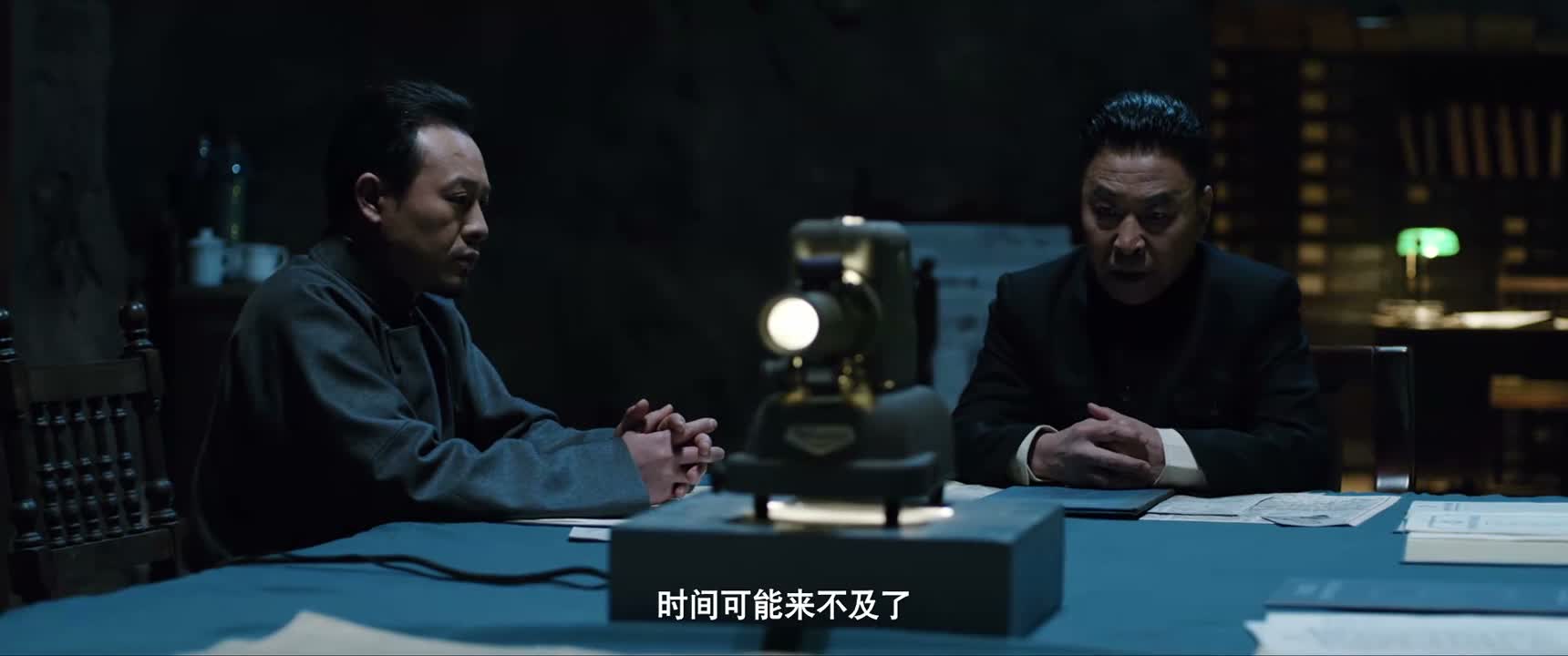
“Time may be running short.”
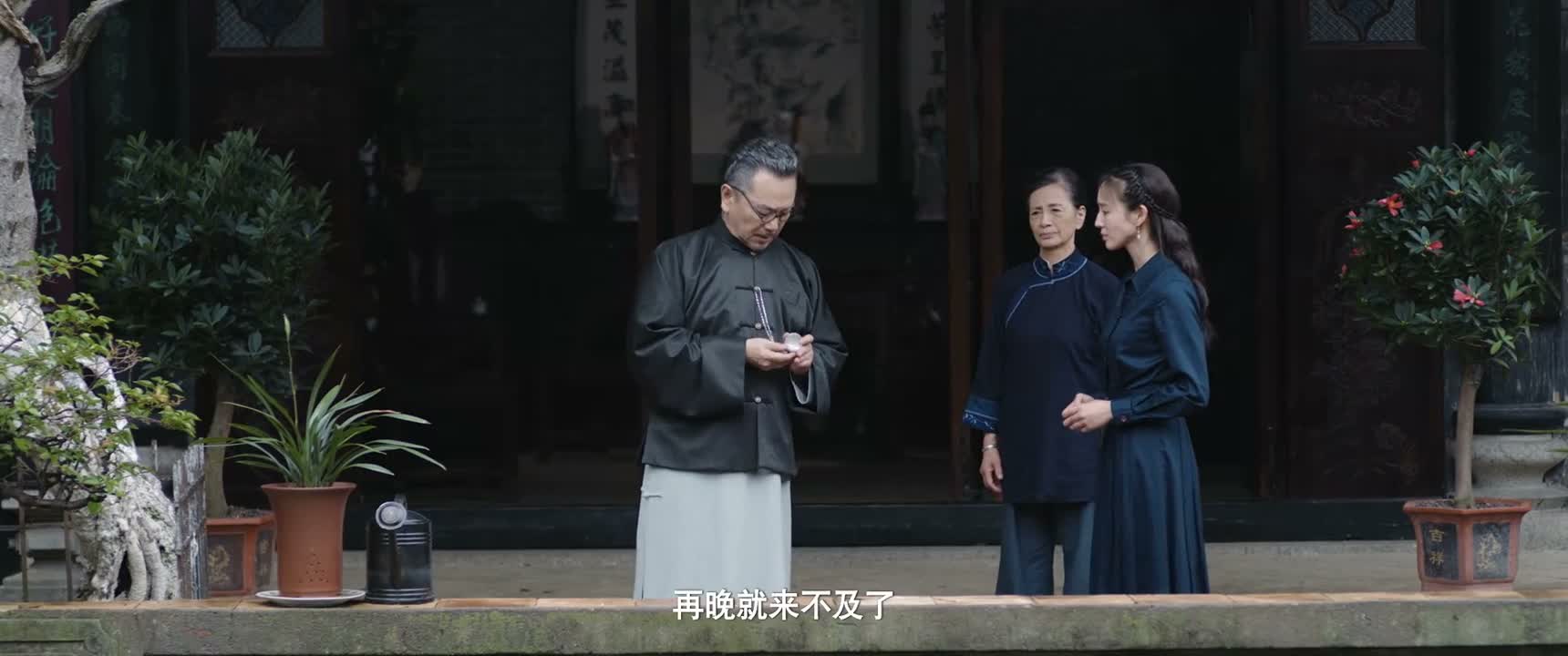
“Any later and it'll be too late.”
“[fan 22] You're too late, bro!”

“It's too late for you to know that now.”

“I won't make it if I don't leave now.”

“Otherwise, this room will be booked by this afternoon.”

“We can't wait any longer.”