为何会这么说呢
“Why would she say that?”
THE DIALOGUE REEL
“Didn't she also come for the Night Orchid?”
为何会这么说呢
“Why would she say that?”
“She said this on her second visit.”
Direct spoken expression in this communicative setting.
Using '为何' instead of '为什么' gives spoken dialogue an elevated, traditional period feel typical of Chinese historical or wuxia narratives.
LEARNING CHUNKS & PARTICLES
why would; how could it be that
A somewhat formal or classical variant of '为什么会', often heard in historical or investigative contexts.
say this; phrase it like that
Standard phrase used to refer to a specific prior claim or perspective.
Softens the inquiry, turning a potentially blunt question into an open, curious reflection.
VOCABULARY & EXPRESSIONS
Parallel Spoken Cinema Scenes (语义近邻切片)

“How did it come to this?”

“Why do you say that?”

“♪ If you could hear my heart melt ♪ Why did you do this?”

“why did you run away?”

“Why does that sound so harsh?”

“why would you say that?”
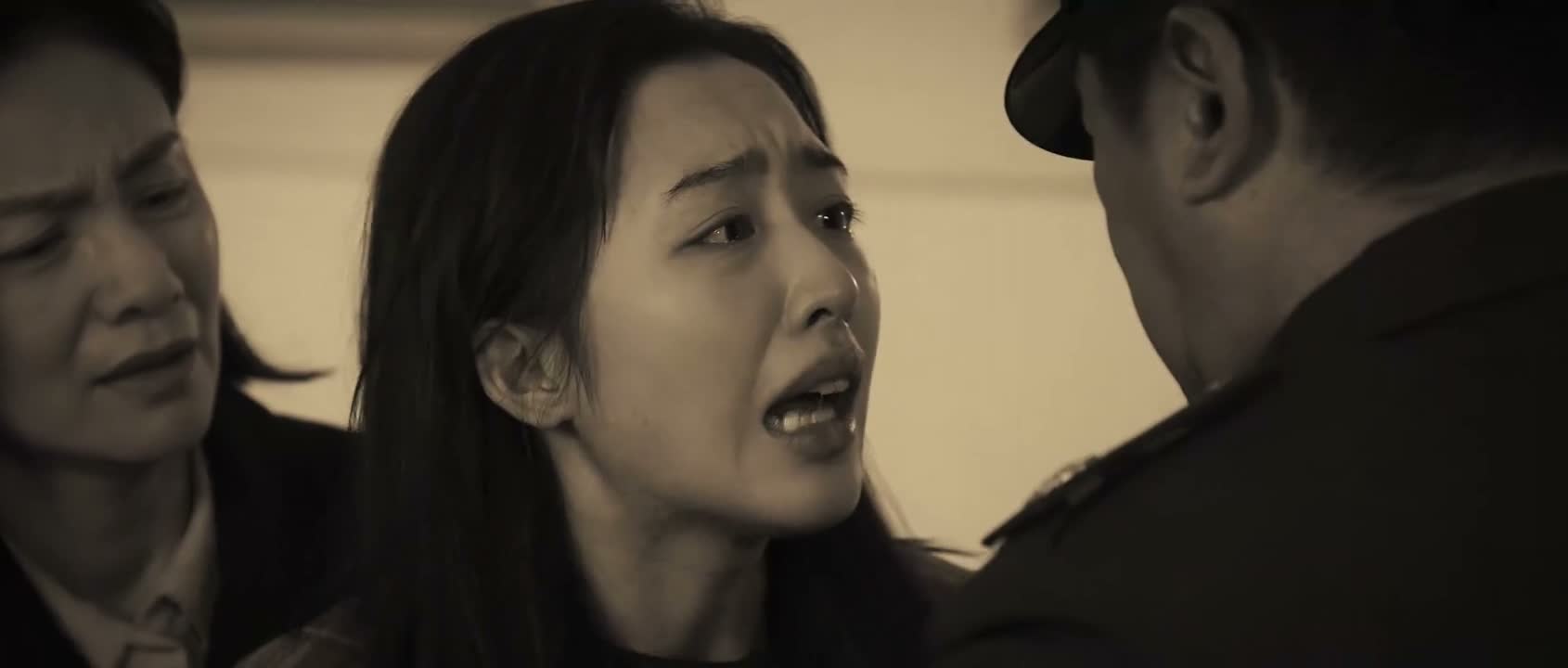
“tell me why this happened.”

“how could you think that?”
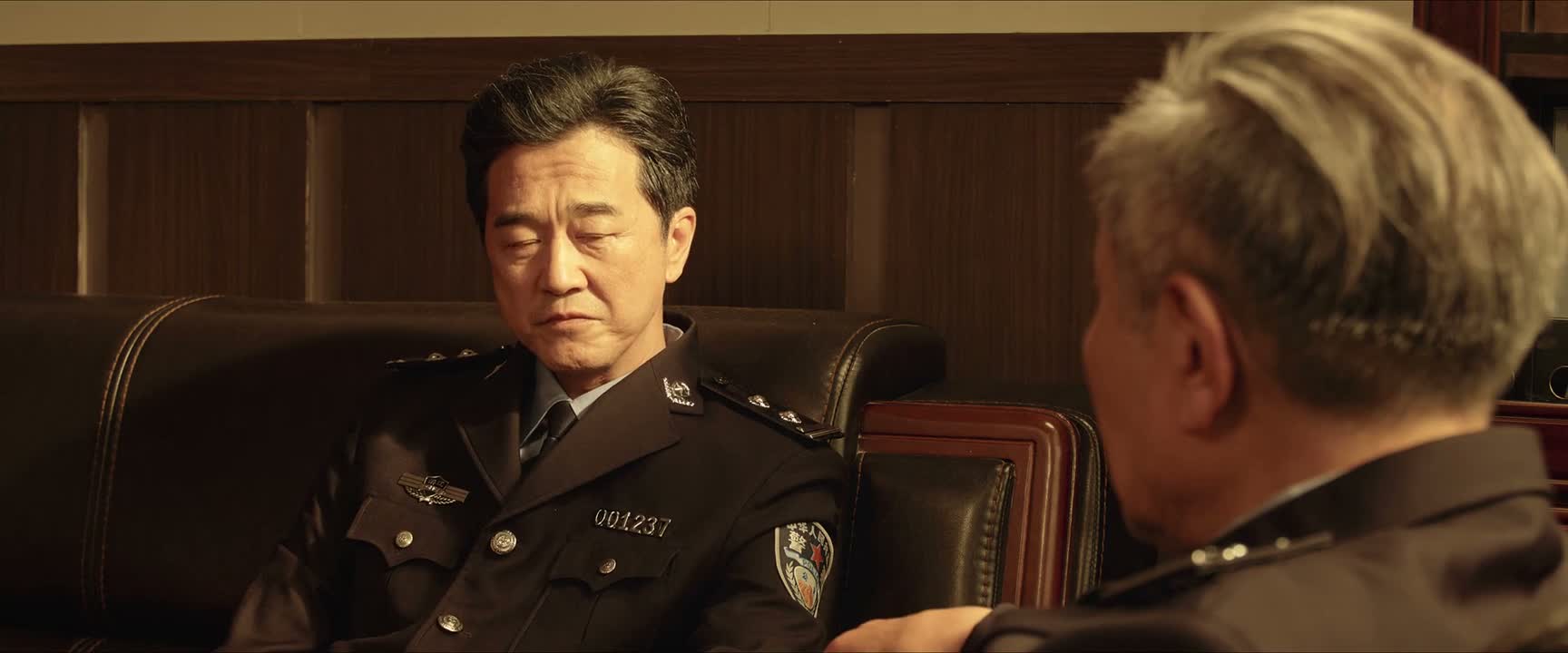
“Why is it like this? I asked him”