未见来时路
“The path you came from is unseen,”
THE DIALOGUE REEL
在下可以去何处
“I should go?”
未见来时路
“The path you came from is unseen,”
“I have forgotten my origin and have no idea who I am or where to go.”
Classical Chinese dialogue often pairs four- or five-character poetic phrases together ('未见来时路' paired with '不知归日途') to convey solemn, philosophical sentiments.
LEARNING CHUNKS & PARTICLES
the path by which one came; one's origins or past
A poetic literary noun used in reflective, metaphorical, or historical contexts to denote one's journey or past history.
VOCABULARY & EXPRESSIONS
Parallel Spoken Cinema Scenes (语义近邻切片)

“and could no longer see the path I had taken clearly.”

“never showed up.”
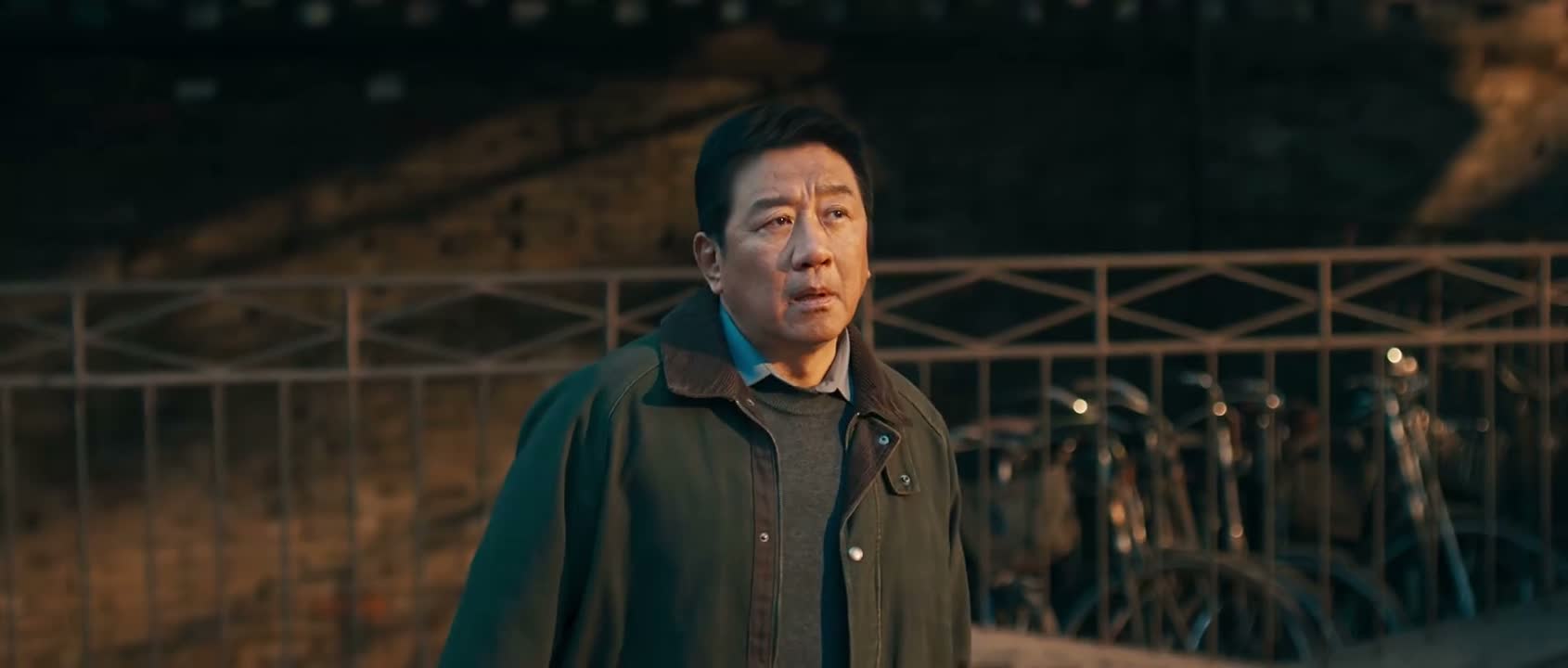
“but he wasn't there. Could he have gone somewhere else to find a prostitute?”

“No one's seen you since last evening.”

“and before he even got to see it, he...”
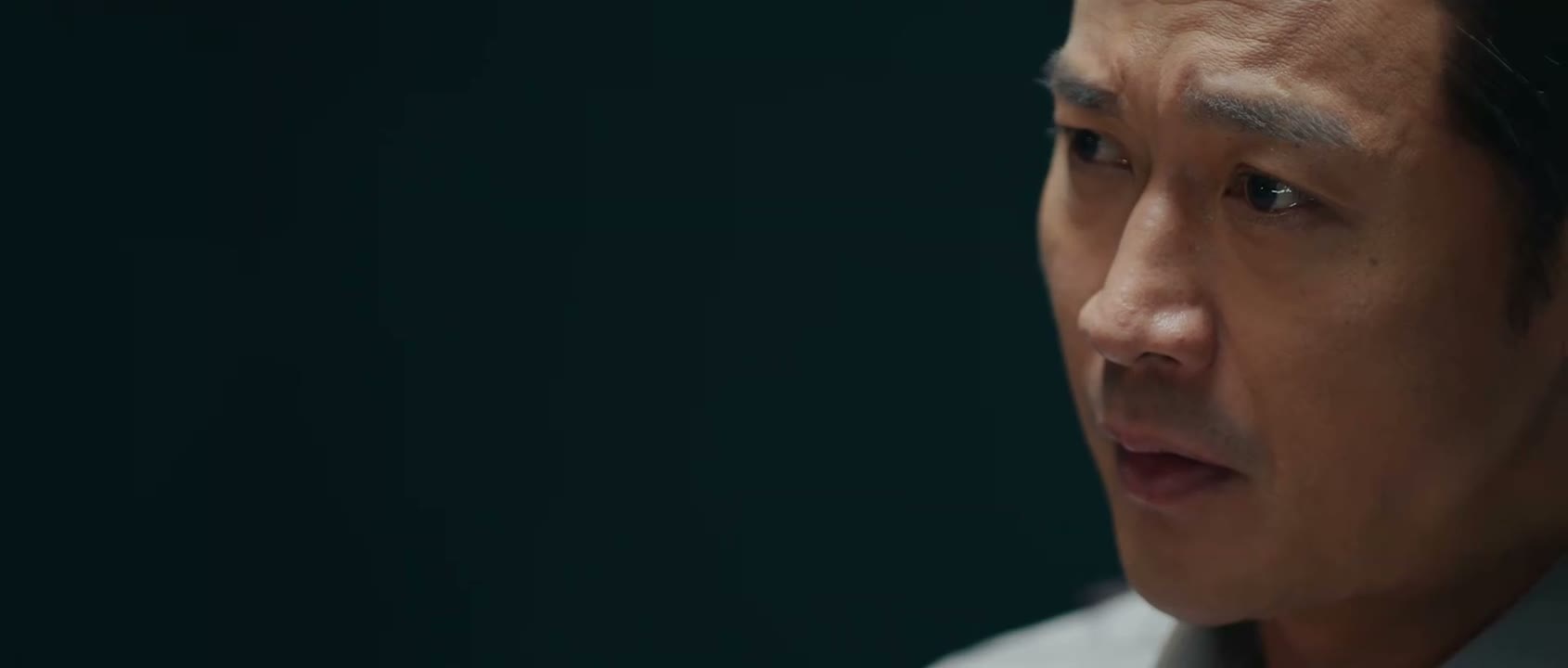
“No sign of him alive.”