How to say "久而久之就会趋向灭亡了" (jiǔ ér jiǔ zhī jiù huì qū xiàng miè wáng le) in Chinese dialogue
久而久之就会趋向灭亡了
it will gradually tend to perish.
Idioms & Colloquial Expressions
INTERACTIVE SCRIPT TIMELINE
LINE 0110:15
zhī hòu ne yòu méi yǒu rèn hé de bǔ jǐ
之后呢 又没有任何的补给
“And then, without any supplies,”
LINE 0210:17
PLAYING SCENEjiǔ久
ér而
jiǔ久
zhī之
jiù就
huì会
qū趋
xiàng向
miè灭
wáng亡
le了
“it will gradually tend to perish.”
LINE 0310:21
suǒ yǐ wǒ men néng shàng zhè ge dāng ma bù néng
所以我们能上这个当吗 不能
“So, can we fall for this? No.”
Show Information
More Clips From Episode
Total 231 clips (Page 5 of 12)
HSK 5
0:03s
HSK 7
0:03s
HSK 6
0:03s
suǒ yǐ duì yú xiàn zài de zhàn zhēng dào dǐ shì shén me tā men wán quán bù liǎo jiěSo as for what the current war actually is, they have no understanding at all.
HSK 5
0:03s
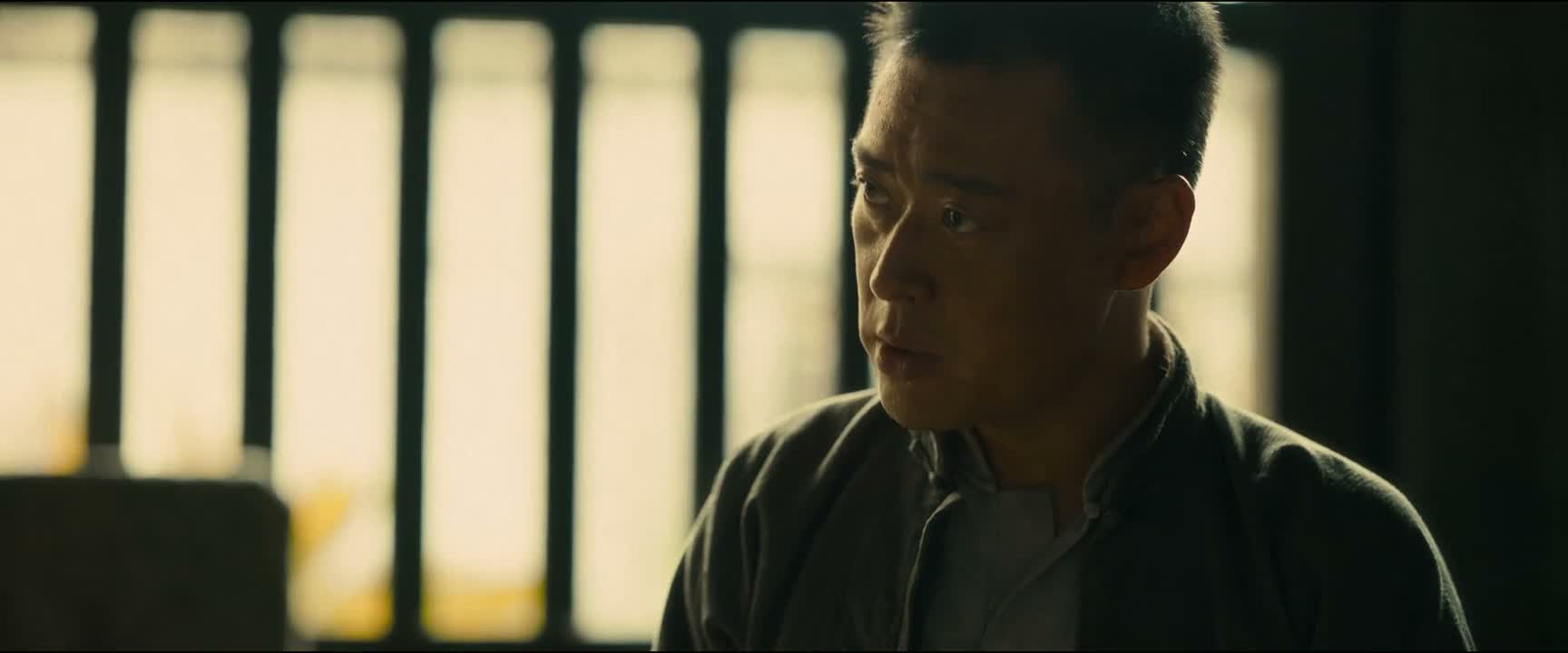
nà jiǎng jiè shí bú shì zǒng qiáng diào ma kàng rì shì zhèng fǔ de shìDoesn't Chiang Kai-shek always emphasize that resisting Japan is the government's business?
HSK 5
0:03s
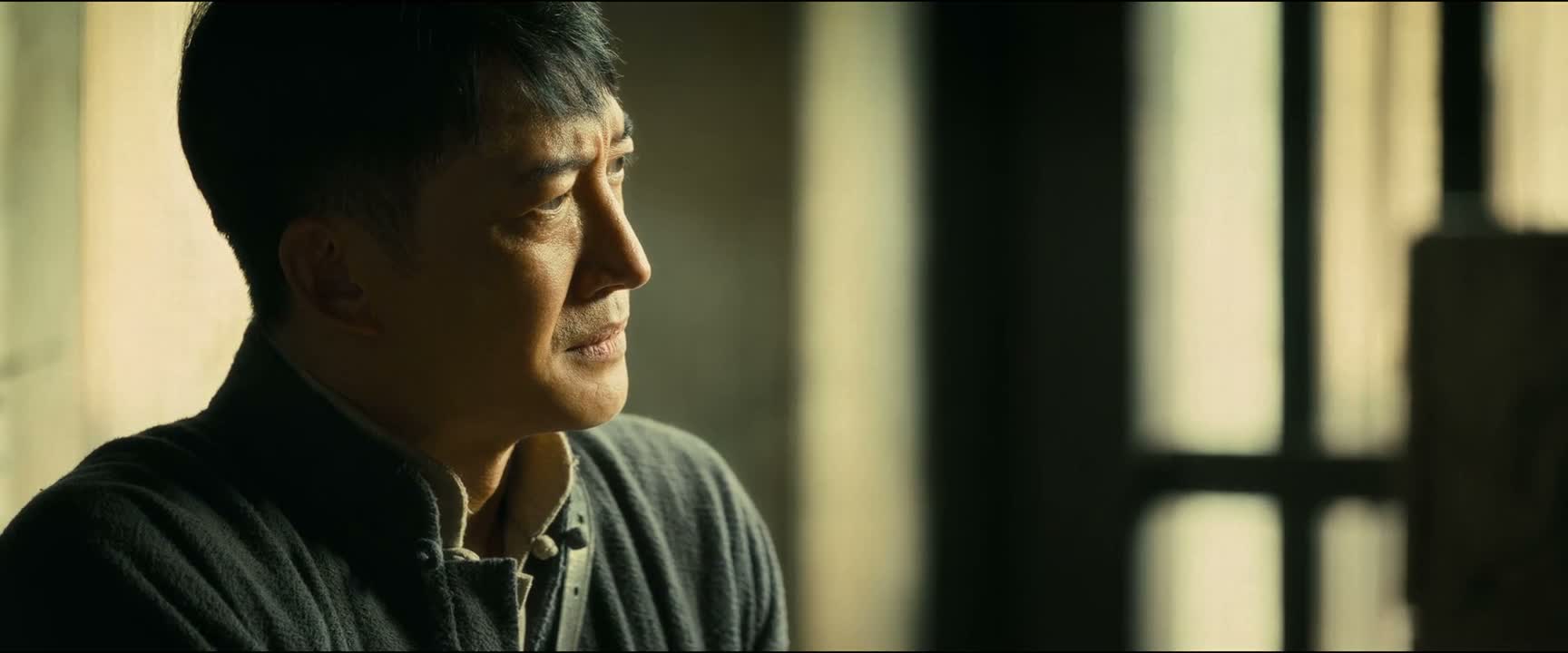
wǒ men shí xíng de shì quán miàn kàng zhànWhat we practice is a comprehensive war of resistance.
HSK 6
0:03s
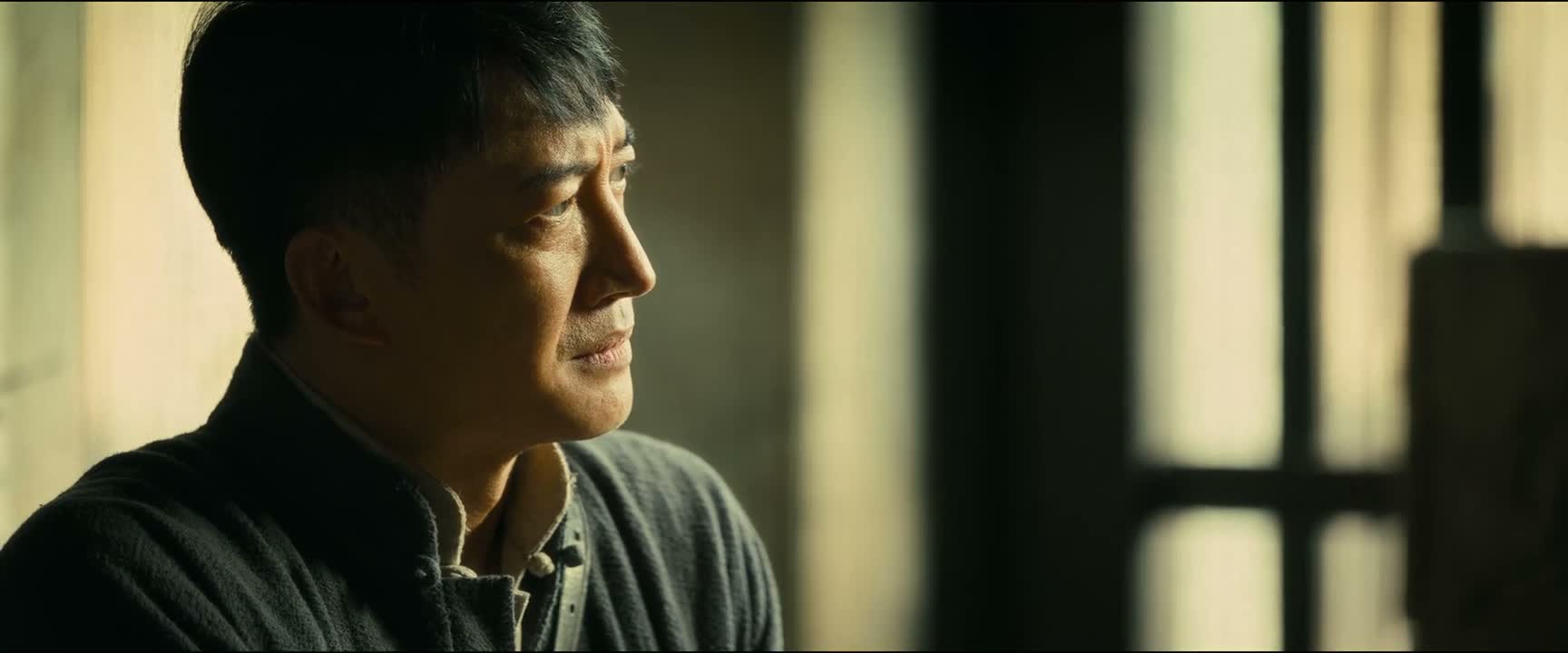
yào chōng fèn fā dòng mín zhòng de lì liàngWe must fully mobilize the power of the masses.
HSK 5
0:03s
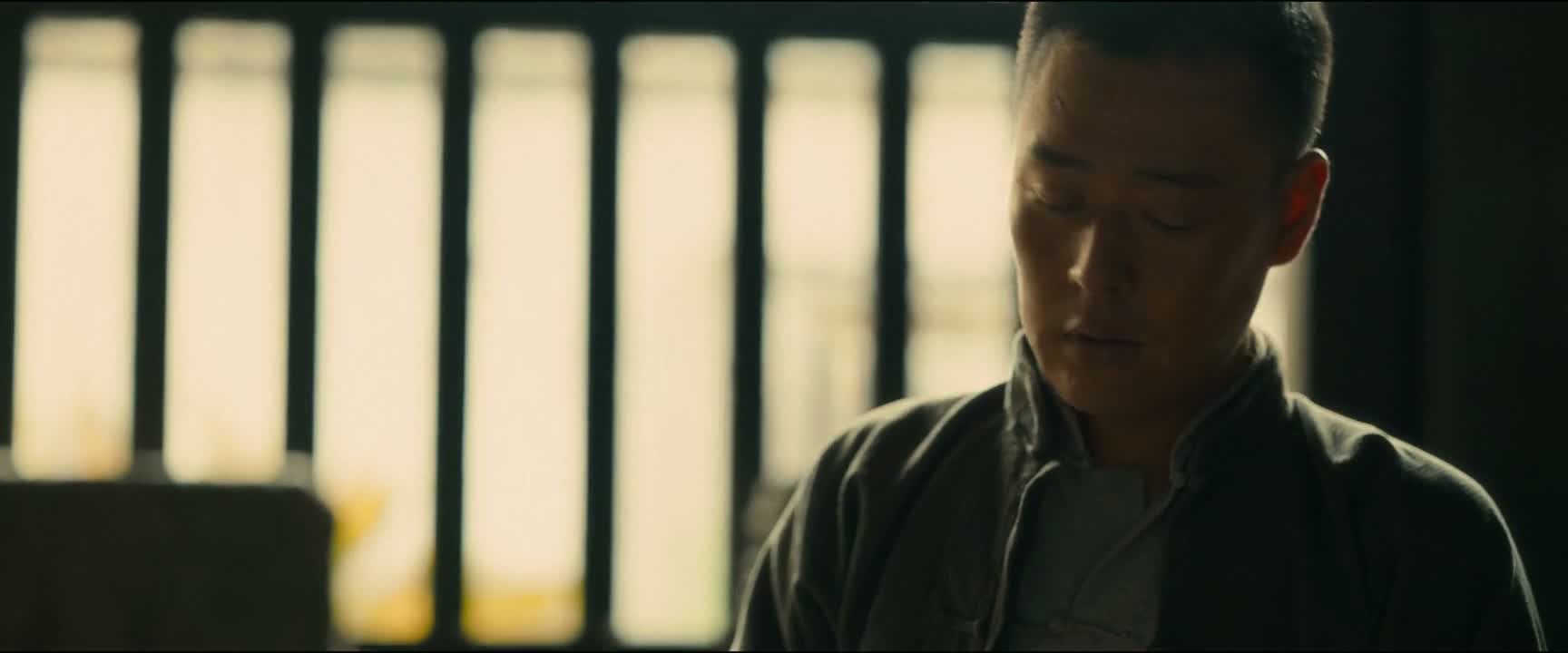
zhè yàng zuì hòu de shèng lì cái shǔ yú wǒ menOnly then will the final victory belong to us.
HSK 6
0:03s
shuō shí huà jiù shì xiàn zài a duì wǒ lái shuō zhěng xùn duì wǔTo be honest, right now, training the troops
HSK 7
0:03s
hái xū yào jìn yí bù dì tí shēng yùn dòng zhàn de jù tǐ de zuò zhàn néng lìwe need to further improve our specific combat capabilities in mobile warfare.
HSK 7
0:03s
nà rú hé lì yòng dì xíng dì wù jì shù zhàn shù hé liànHow to utilize the terrain and features, along with technical and tactical joint training,
HSK 7
0:03s
zhè ge jiù shì hěn zhòng yào de shì qíng hái yǒu jiù shì yóu jī zhàn shùis very important. There are also guerrilla tactics.
HSK 4
0:03s
wǒ yě bù tài míng bái yě hái zài xué xí de guò chéng zhōngI don't quite understand them either, and I am still learning.
HSK 5
0:03s
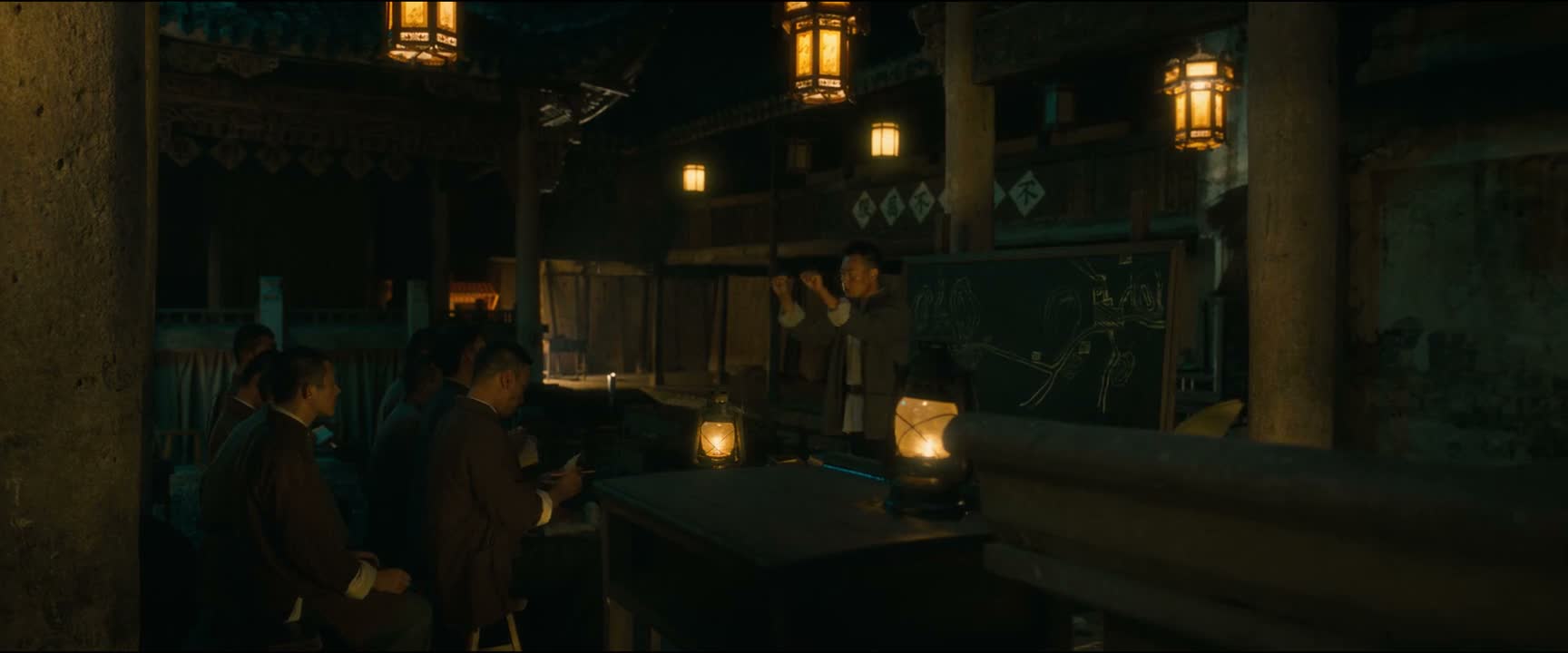
nà me xiàn zài wǒ men zài xiāng chí jiē duàn zhè chǎng zhàng wǒ men yīng gāi zěn me dǎSo now we are in a stalemate. How should we fight this battle?
HSK 5
0:03s
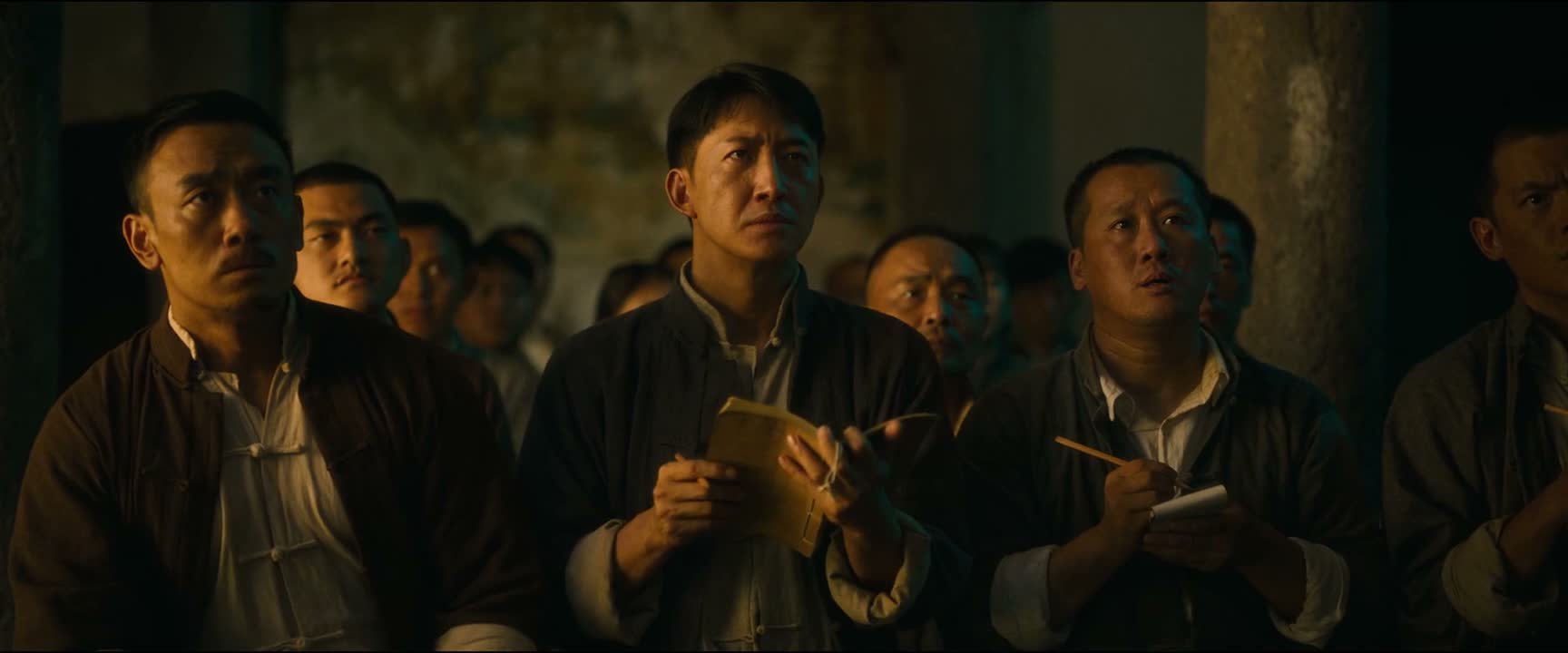
jué duì bù yīng gāi yìng pèng yìng ér shì huà zhěng wéi língWe absolutely shouldn't fight head-on, but break up the whole into parts,
HSK 7
0:03s
bǐ rú shuō zài zhè ér wéi diǎn dǎ yuán de shí hòu wǒ men gōng jiān shòu cuòFor example, right here, when we besiege the enemy to attack their reinforcements, if our assault is thwarted,
HSK 4
0:03s
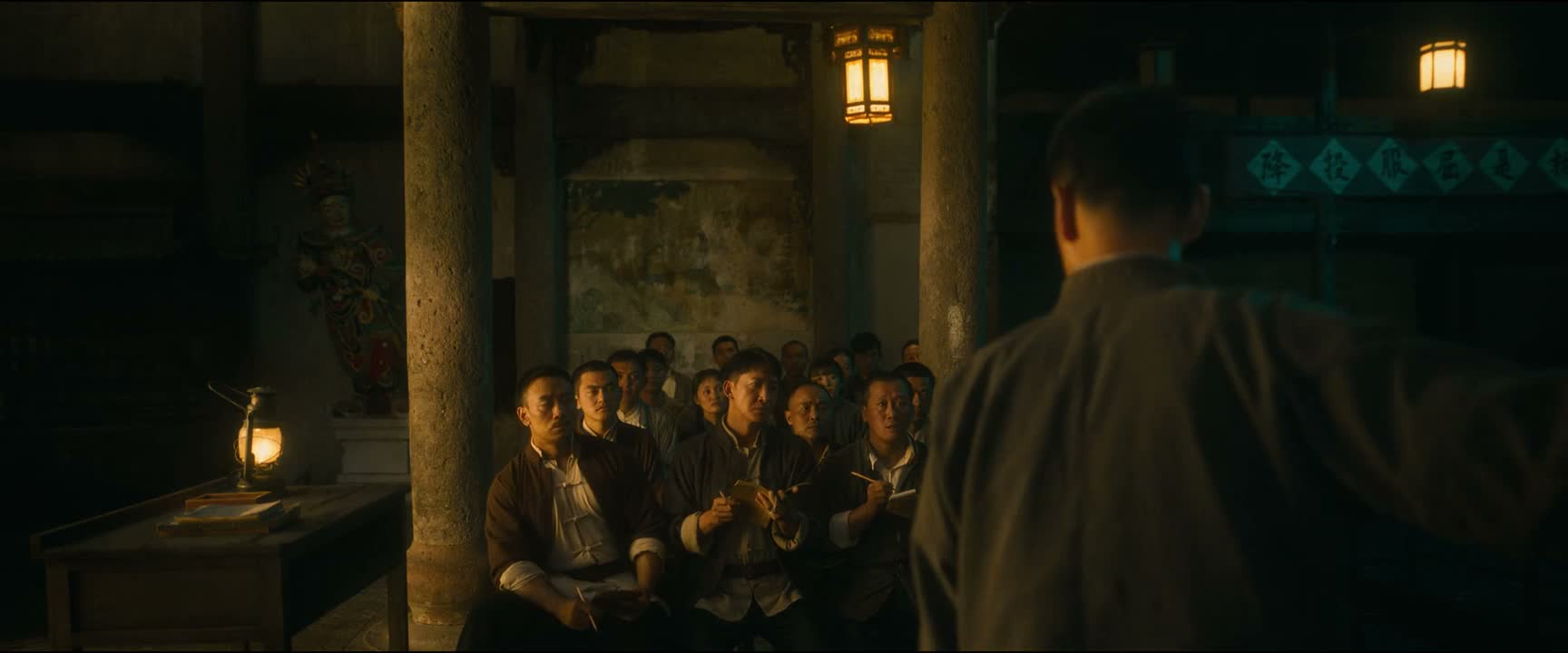
dǎ zhè chǎng gōng jiān zhàn wǒ men dǎ le yǒu sì gè xiǎo shíTo fight this assault, we've been fighting for four hours,
HSK 6
0:03s
dàn shì dí rén de mó tuō huà bù duì mǎ shàng jiù lái zēng yuánbut the enemy's motorized troops are coming to reinforce immediately.
HSK 3
0:03s
zhè ge shí hòu zěn me bàn mǎ shàng diào pèi dào zhōng lùWhat should we do now? Deploy to the middle route immediately
HSK 7
0:03s
HSK 5
0:03s
dí pí wǒ dǎ dí tuì wǒ zhuīWhen the enemy is tired, we attack; when the enemy retreats, we pursue.