你不是让我帮你打包吗 你怎么自己过来吃啦
“Didn't you ask me to pack it for you? Why are you eating it yourself?”
THE DIALOGUE REEL
你好 这个桌再加一份番茄猪骨面 谢谢
“Excuse me, another bowl of tomato pork-bone noodles. Thank you.”
你 不是让我帮你打包吗 你 怎么 自己 过来 吃啦
“Didn't you ask me to pack it for you? Why are you eating it yourself?”
“If I'd waited for you, I would've starved to death.”
“Didn't you ask me to bring you takeout? Why did you bother coming all the way here yourself?”
In Chinese workplaces and student life, picking up takeout or packing meals for colleagues, friends, or roommates while heading out is a very common way to help each other and socialize.
LEARNING CHUNKS & PARTICLES
rhetorical question pattern used to remind the listener of a known fact or express surprise at the current situation
A high-frequency colloquial rhetorical structure, often used to confirm facts or express mild doubt and surprise.
to pack up food to go for someone
A core dining collocation; 'dabao' refers to boxing up food at a restaurant to take away.
Placed at the end of a sentence to form a question; here it combines with a rhetorical pattern to verify prior consensus and question the situation.
A fusion of 'le' and 'a' that softens the bluntness of questioning, adding an approachable, casual, and curious tone.
VOCABULARY & EXPRESSIONS
Parallel Spoken Cinema Scenes (语义近邻切片)

“Are you eating here or taking it to go? To go. Okay.”
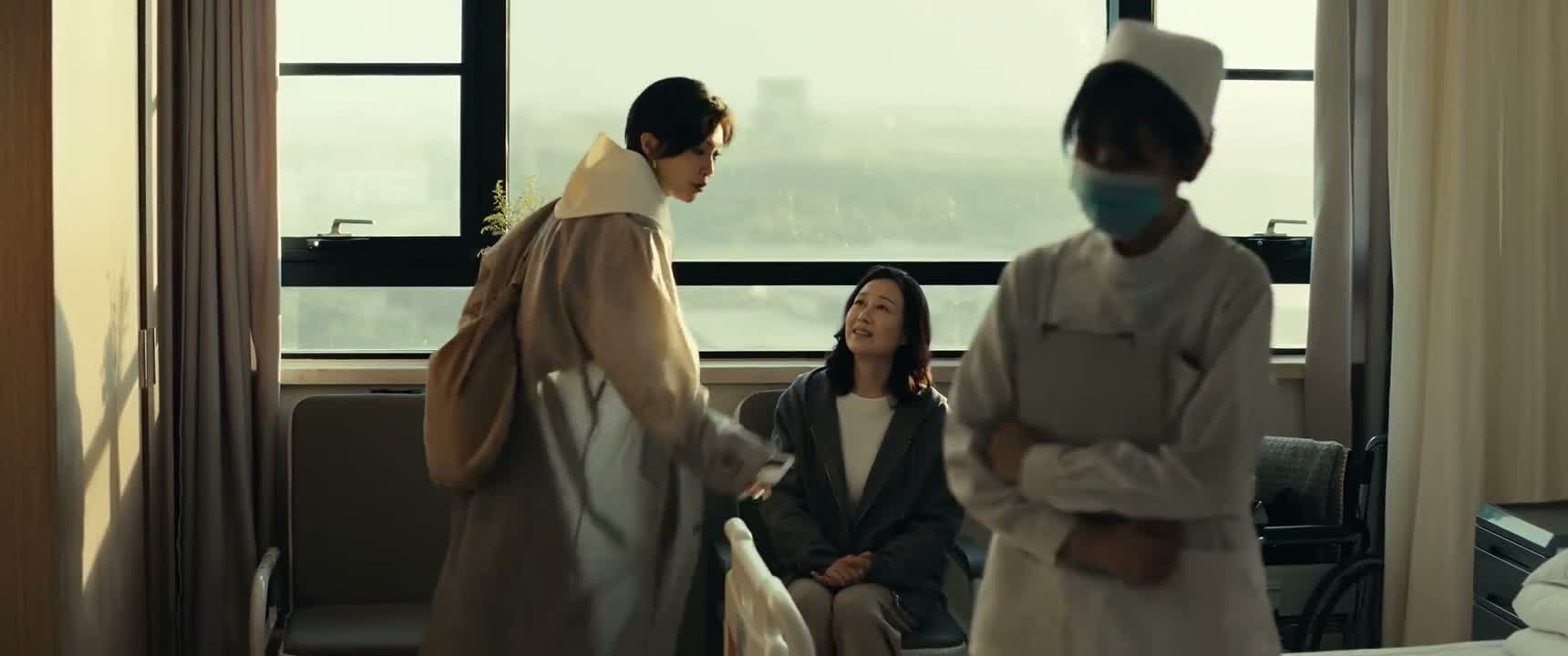
“Didn't I say I would help you pack? Why did you do it yourself?”

“Weren't you working? Why did you come?”
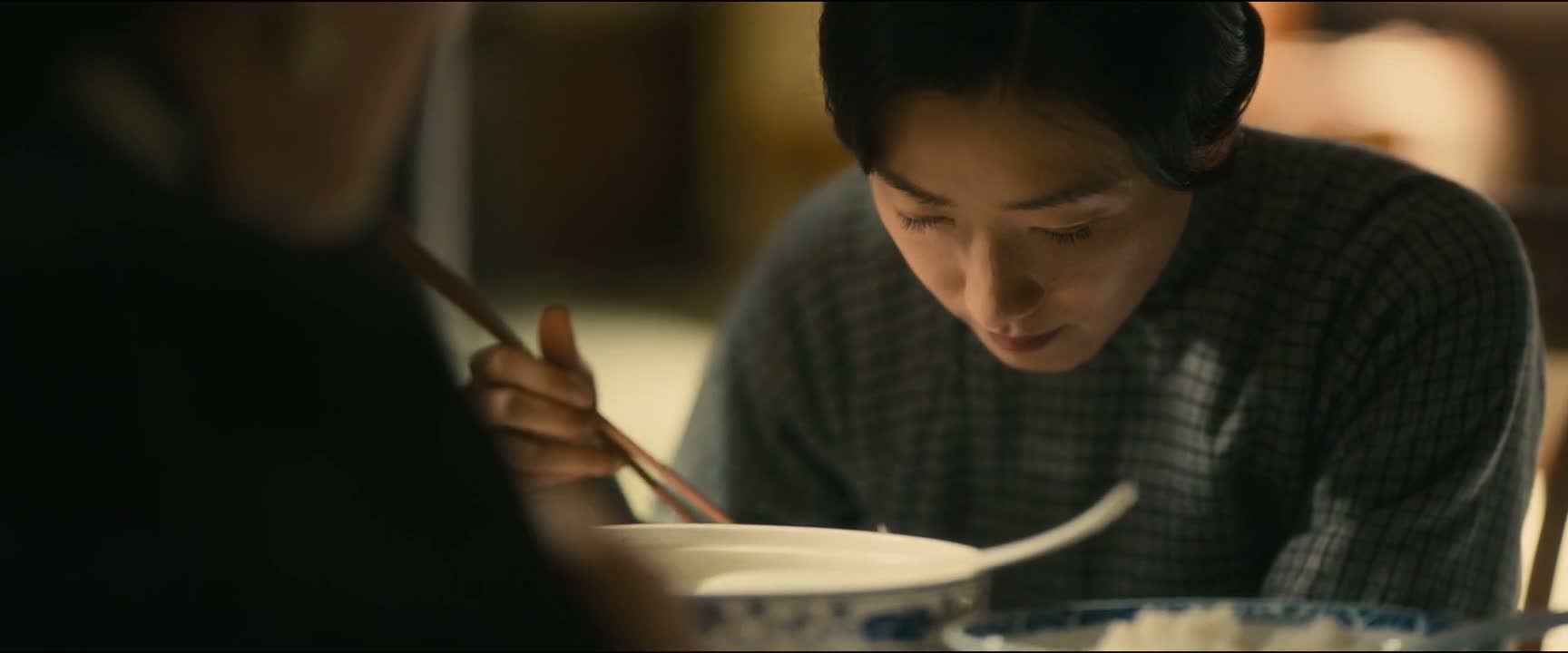
“I packed them up and sold them off. He knew his stuff.”

“I packed you so much nice food.”
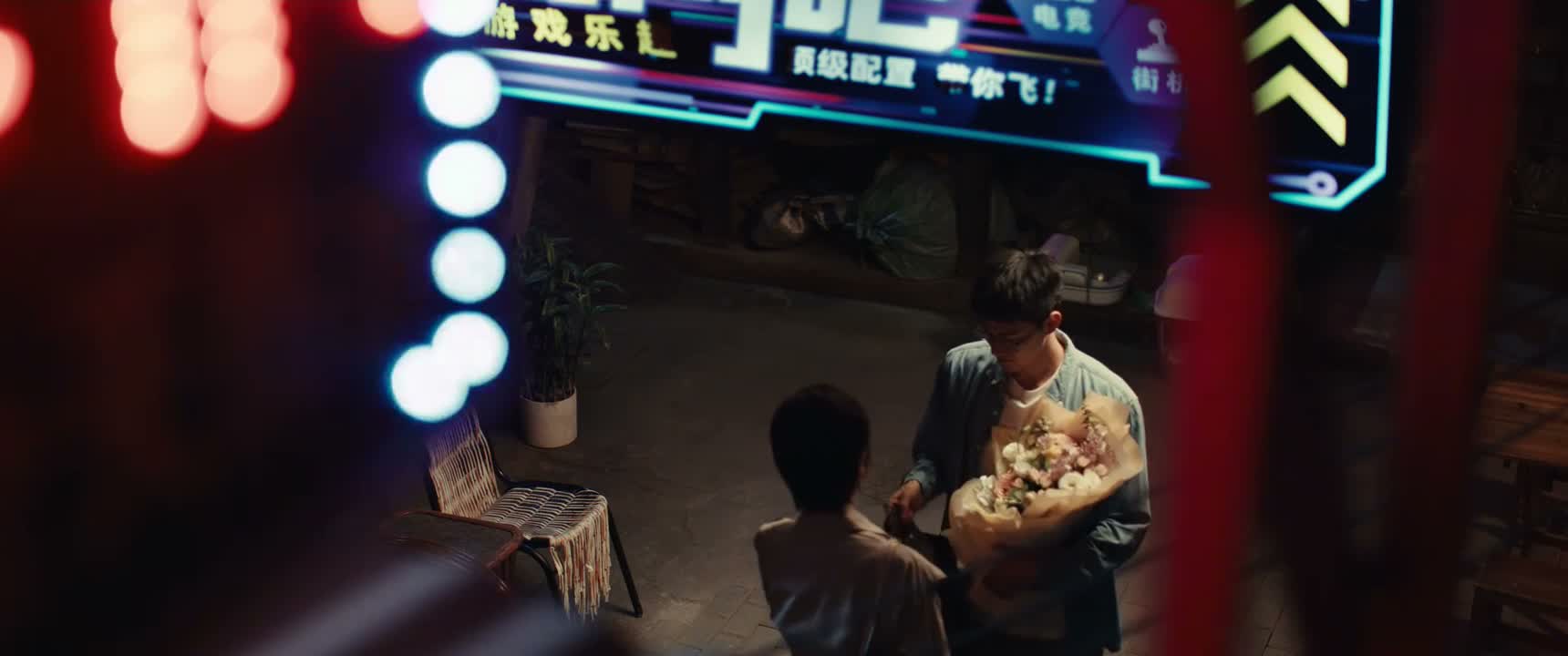
“Is this just for me, or both of us? I haven't eaten yet.”