我不是说我来帮你收拾 你怎么自己收拾完了
“Didn't I say I would help you pack? Why did you do it yourself?”
THE DIALOGUE REEL
我不是 说 我来 帮你收拾 你 怎么 自己收拾完了
“Didn't I say I would help you pack? Why did you do it yourself?”
“It's barely anything. No need to trouble you.”
“You shouldn't strain yourself doing chores when I promised to take care of it.”
Younger generations in China frequently scold their parents affectionately for doing manual labor, demonstrating care through faux-frustration.
LEARNING CHUNKS & PARTICLES
Didn't I say...
A rhetorical framing used in spoken Chinese to remind someone of a previous commitment or instruction with mild exasperation.
Why did you do it all by yourself...
Used to question why someone took on a burden alone without waiting for assistance.
Indicates completion of an action, signaling that the tidying is already done.
VOCABULARY & EXPRESSIONS
Parallel Spoken Cinema Scenes (语义近邻切片)

“I'll sort things out. Let me help you.”

“Do you want me to help you pack up?”

“Please come in and help me clean it up.”
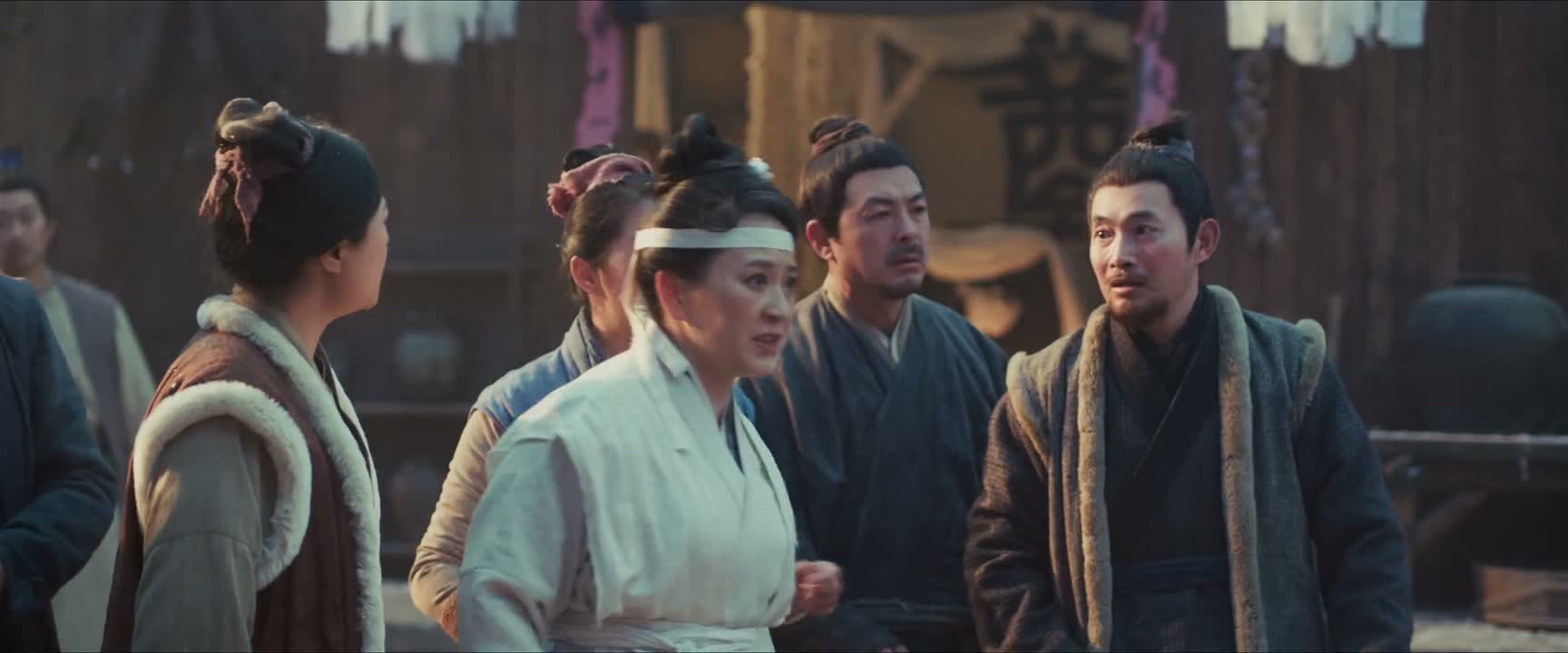
“I'll teach you a lesson!”

“And then what? After they're broken, I have to clean up the mess? No problem.”

“I don't have enough time to clean all this up. Can you check if the hygiene is okay?”