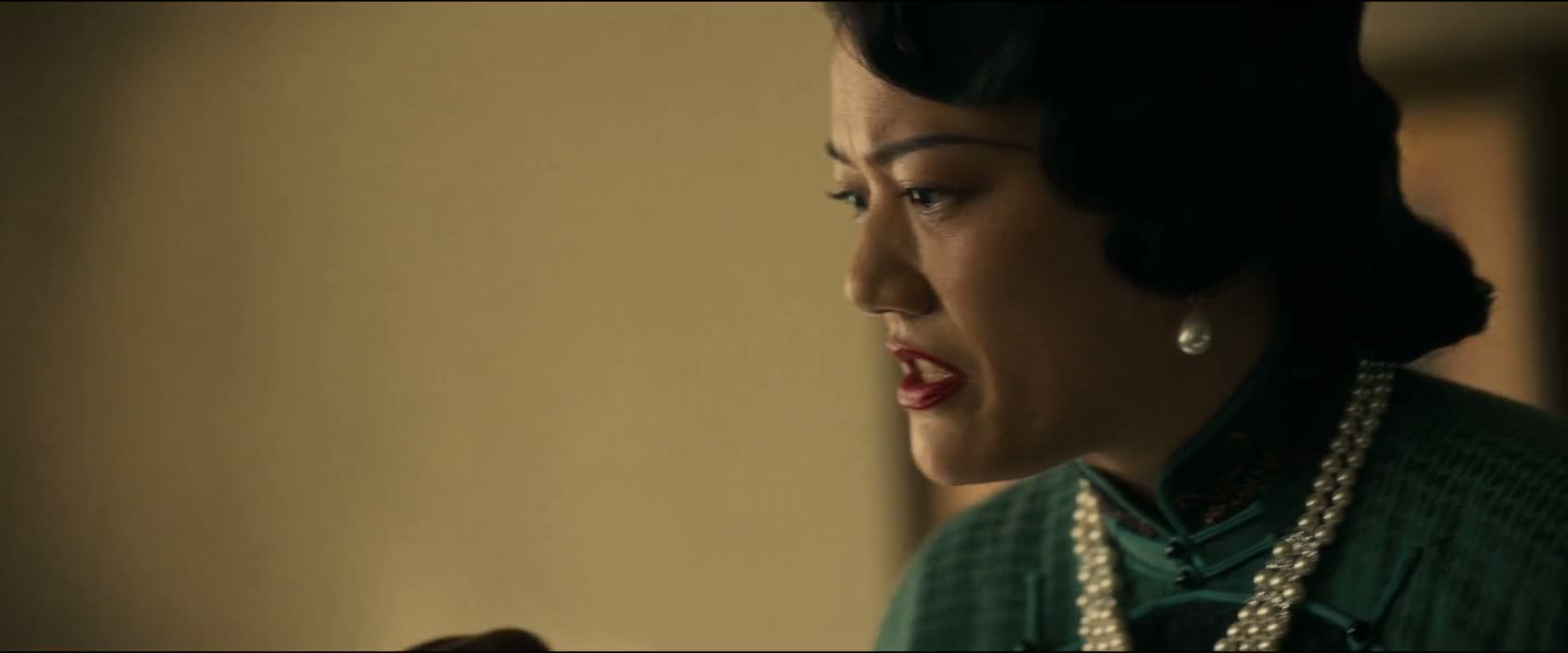
我们之前 半夜被赶出来的时候不狼狈吗
“Weren't we struggling when we got kicked out in the middle of the night back then?”
THE DIALOGUE REEL
“Wait. Are you saying you want to sell this apartment?”
我们之前 半夜被赶出来 的时候不狼狈吗
“Weren't we struggling when we got kicked out in the middle of the night back then?”
“That was when I made up my mind that I had to have a place of my own”
“Have you forgotten how humiliating it was when we were kicked out in the middle of the night? We can't sell this house.”
In contemporary Chinese culture and society, real estate is not merely a residence, but closely tied to a family's sense of security, social belonging, and dignity; having no permanent home or experiencing eviction while renting serves as a core motivation for many striving to buy a house.
LEARNING CHUNKS & PARTICLES
in a wretched, embarrassed, or disheveled state; in an awkward predicament
Common in both spoken and written Chinese, often used to describe a difficult plight or an unsightly/embarrassed appearance, as in 'lang bei bu kan' (utterly wretched) or 'xian de hen lang bei' (looking very flustered/disheveled).
to be forced to leave a place; to be evicted or kicked out
A passive construction emphasizing victimhood and humiliation, frequently used in contexts such as eviction by a landlord or family disputes.
Used at the end of a rhetorical question to reinforce the rhetorical tone, highlighting the undeniable fact that they were in an extremely wretched state back then.
VOCABULARY & EXPRESSIONS
Parallel Spoken Cinema Scenes (语义近邻切片)

“I'm afraid we'll be driven out.”
“before he came back.”

“It's only been one night. Why did you show up here?”

“they had run away.”

“I'm already out. Heading over now.”

“Our men have captured her.”