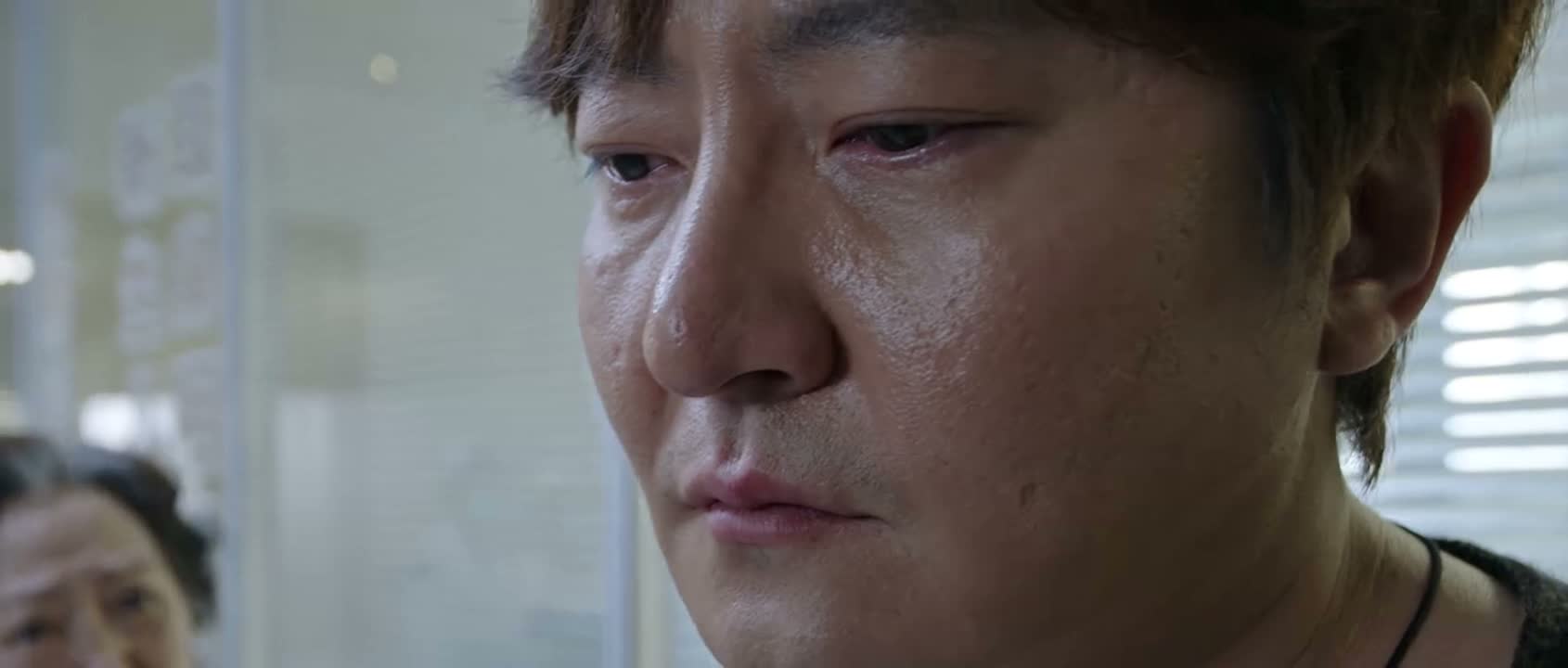
这要是不跟别人打一场 对得起你们自己的努力吗?
“If you don't have a match with someone else, you'll bring shame to your own hard work.”
THE DIALOGUE REEL
更何况 你们那么认真地训练、备赛
“Besides, all of you have worked and trained so hard.”
这要是 不跟别人 打一场 对得起 你们 自己的 努力吗?
“If you don't have a match with someone else, you'll bring shame to your own hard work.”
“Exactly. What about the eggs I bought you guys?”
“You must go out there and fight, otherwise all your hard work will have been for nothing.”
Among Chinese youth or sports teams, appeals to not letting down sweat and teammates' sacrifices often serve as an emotional bond, using rhetorical questions to fire up morale.
LEARNING CHUNKS & PARTICLES
a rhetorical pattern meaning 'how can one be worthy of...' or 'how can one not let someone down'
Commonly used in spoken Chinese for moral urging or motivation, emphasizing that hard work and sacrifices should not go to waste.
to play a match or have a contest
The verbal measure word 'chang' frequently pairs with competitive sports or combat verbs to denote playing a complete match or round.
Placed at the sentence end to form a rhetorical question, reinforcing the conviction that one would definitely be letting someone down and adding persuasive force.