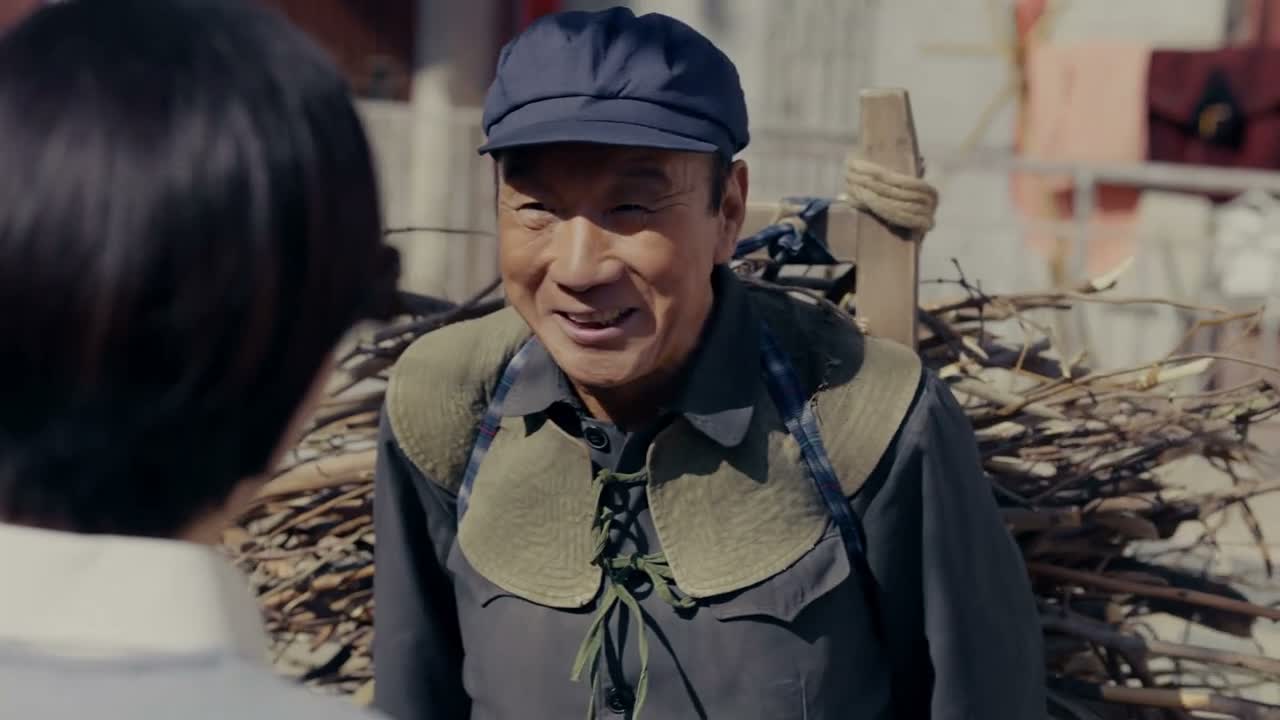
村里有没有困难 你还说没有
“Yesterday, I asked if the villagers were facing any difficulties. You said no. You both claimed there were none.”
THE DIALOGUE REEL
昨天还问你们
“Yesterday, I asked if the villagers were facing any difficulties.”
村里 有没有 困难 你还说没有
“Yesterday, I asked if the villagers were facing any difficulties. You said no. You both claimed there were none.”
“You said no. You both claimed there were none. If I hadn't come to see for myself today,”
“I specifically asked if there were problems and you claimed there were none—you were clearly hiding the truth from me.”
A common malpractice in Chinese bureaucracy and grassroots governance where subordinates report only achievements to superiors while concealing problems and difficulties to avoid blame or save face.
LEARNING CHUNKS & PARTICLES
asking whether there are any difficulties or obstacles
A question pattern commonly used by superiors in work settings to inspect the execution status of grassroots or subordinate staff.
to actually claim; still dare to say
Carries a rhetorical and reproaching tone, emphasizing that what the other party said strongly contradicts the actual facts.
VOCABULARY & EXPRESSIONS
Parallel Spoken Cinema Scenes (语义近邻切片)

“Family difficulties? Your outfit says otherwise.”

“But it's even tougher for the villagers.”
“I'm still struggling.”

“By the way, are you having any trouble with your accommodation?”

“Struggling? Those coal bosses are only thinking about”

“It's just because my family isn't that needy.”