那也不能把压力 都让我们扛啊
“But you can't dump all the pressure on us.”
THE DIALOGUE REEL
“Xiao, we've done all we can. There's nothing else I can do.”
那 也不 能把压力 都让我们扛 啊
“But you can't dump all the pressure on us.”
那你说怎么办
“Then what do you suggest?”
“Even so, we shouldn't be the only ones taking the heat and doing all the heavy lifting.”
In Chinese workplaces, 'kang' (bearing/carrying) reflects resilience under responsibility or risk. However, when all blame and pressure are shifted onto subordinates or a specific team (colloquially called 'kang lei' or 'bei guo', meaning 'carrying the mine' or 'taking the blame'), it often sparks strong resentment and resistance.
LEARNING CHUNKS & PARTICLES
Dump all the burden or responsibility on us to bear alone.
A highly frequent colloquial expression. 'Kang ya li' (bearing pressure) or 'kang ze ren' (taking responsibility) is commonly used in workplace or daily life to describe shouldering heavy burdens or tackling crises.
Even so, you still can't...
A refutation or protest pattern used to acknowledge a prior fact while firmly rejecting an unreasonable follow-up arrangement.
Used at the end of a sentence to intensify rhetorical questioning and grievance, heightening the tone of indignation and protest.
VOCABULARY & EXPRESSIONS
Parallel Spoken Cinema Scenes (语义近邻切片)
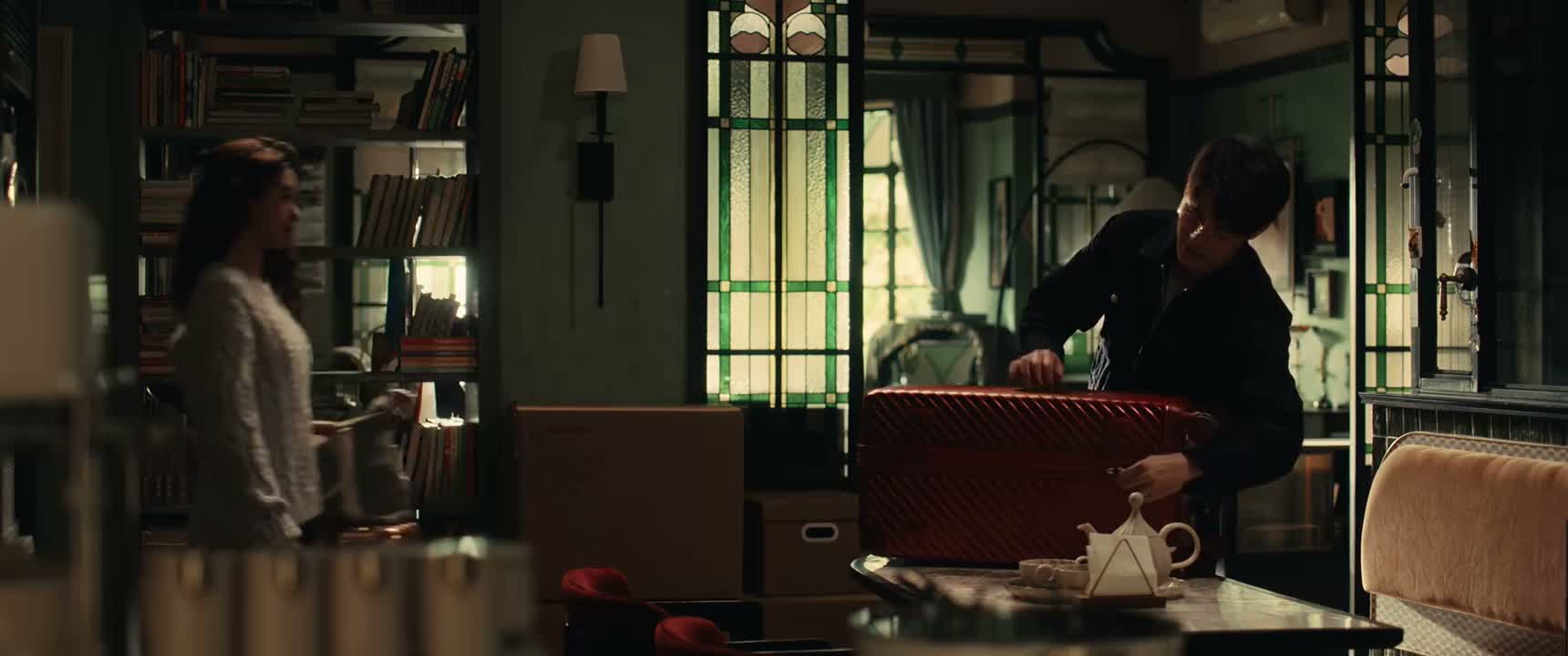
“Handling all of that alone would be a lot of pressure,”
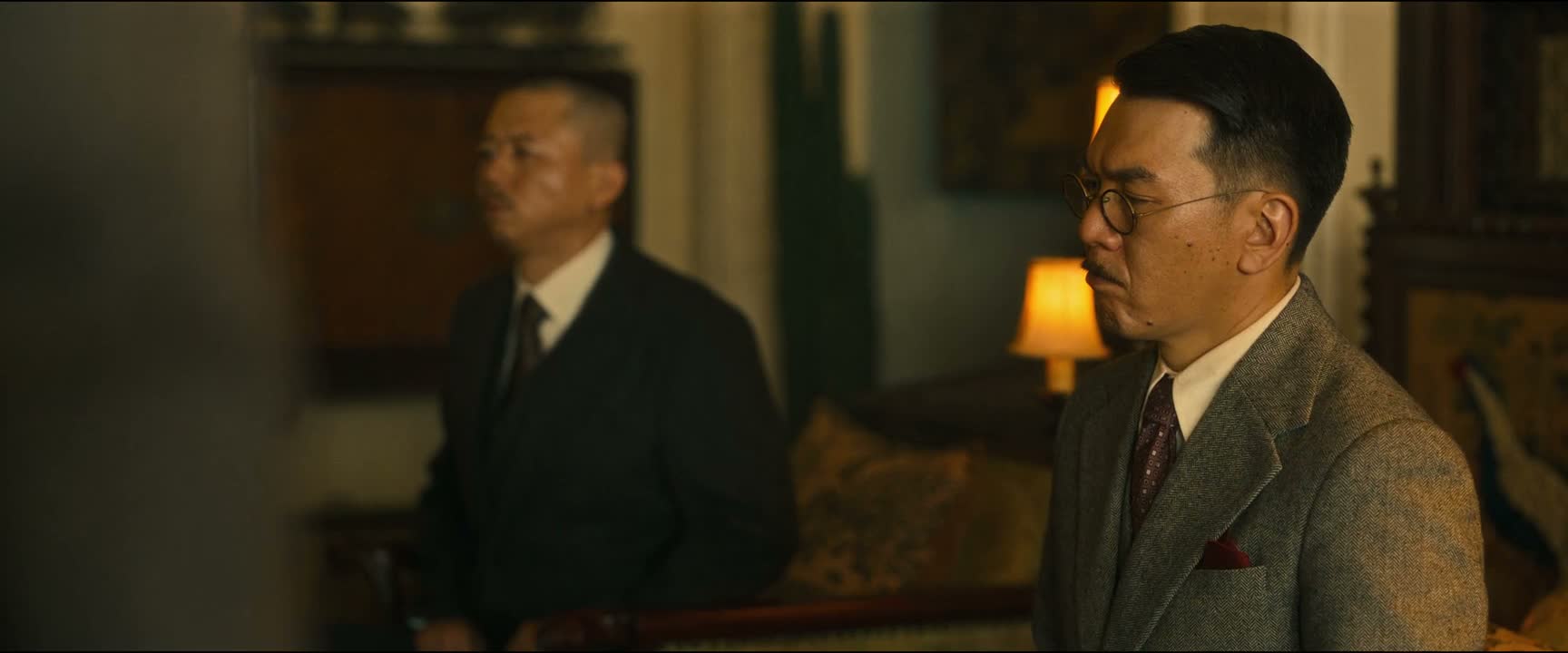
“that I've been bearing all the pressure for you.”

“I don't feel pressured. Anyway, just stay out of it. We have our own pace.”
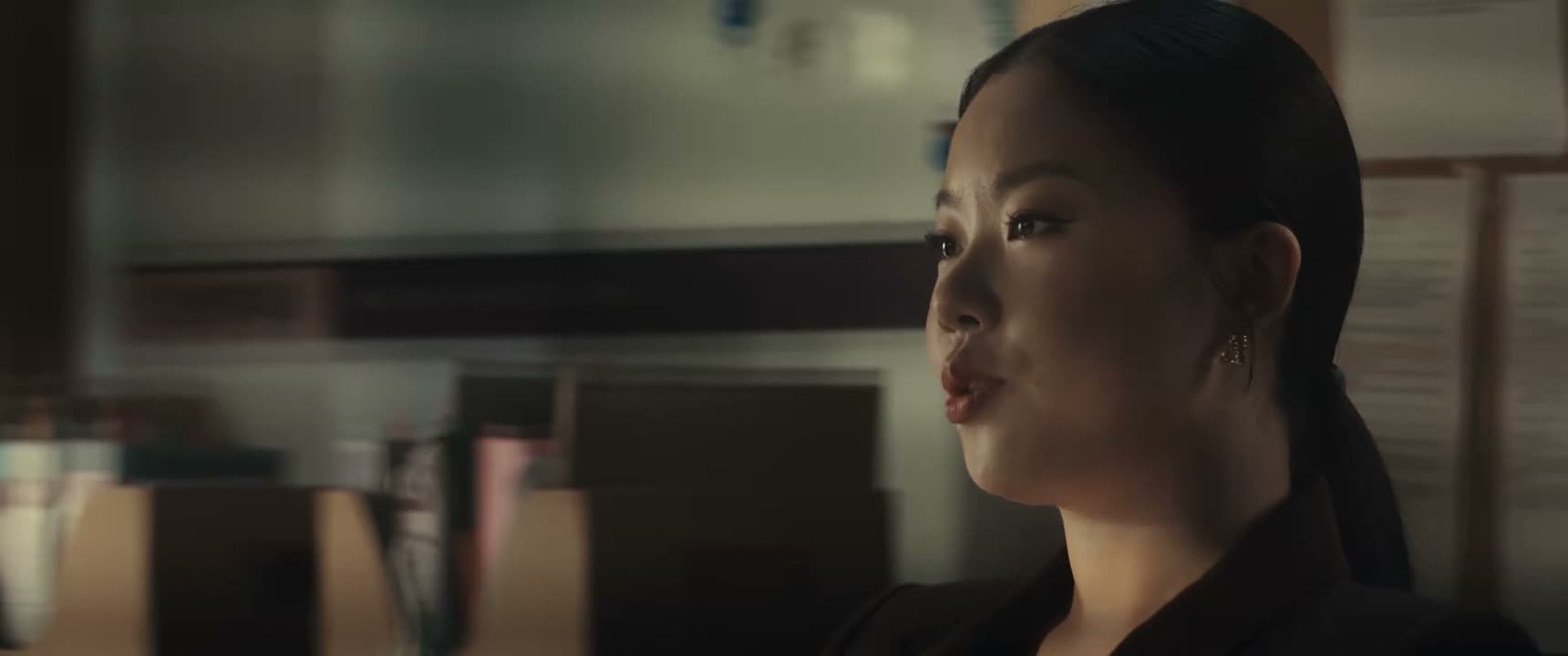
“I'm actually here to help ease your pressure. Pressure isn't a bad thing.”

“we carry it. True.”

“Aren't we all doing this under pressure? Yeah, yeah.”