MC
MandarinClips Cinema Corpus
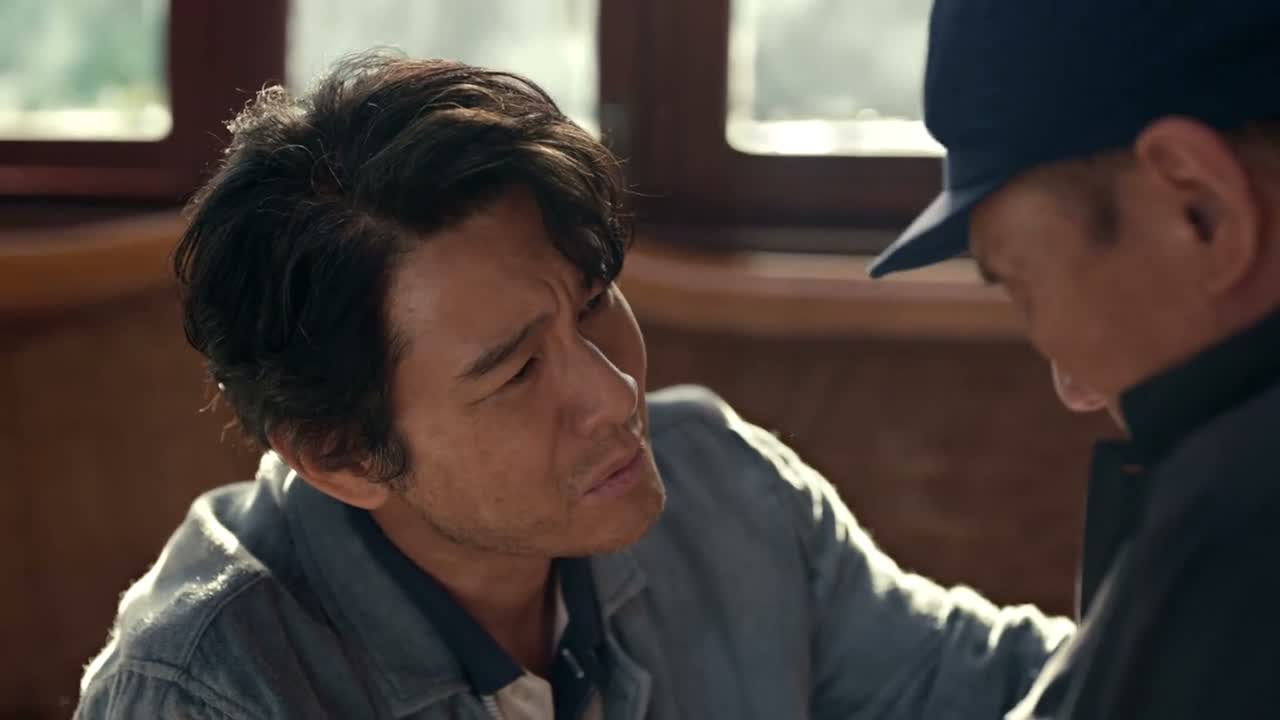
《The Dream Maker》 S1·E16 (09:45) HSK 5
zhè ge wǒ bú shì bù xiǎng jiē shòu nǐ de cǎi fǎng

这个 我不是不想 接受你的采访

“it's not that I don't want to be interviewed.”

《The Dream Maker》 S1·E16
TIMECODE: 09:45 · 1080P MASTER AUDIO

THE DIALOGUE REEL

1+1+1 SPOKEN CONTINUITY
[-1] PREVIOUS TURN dù jì zhě

杜记者

“Mr. Du,”

zhè ge wǒ bú shì bù xiǎng jiē shòu nǐ de cǎi fǎng CURRENT FOCUS

这个 我不是 不想 接受 你的采访

“it's not that I don't want to be interviewed.”

[+1] FOLLOW-UP TURN guāng shuō shì méi wèn tí

光说是没问题

“Talking is fine.”

Subtitles synced to millisecond timecode Browse Show Clips →
Scene: Workplace
Function: PREFACING REFUSAL OR QUALIFICATION
Tone: DIPLOMATIC
Emotion: HESITANT
WHAT THEY REALLY MEAN (PRAGMATIC SUBTEXT)
“It's not that I don't want to do the interview, but there are certain conditions/concerns.”
💡 Cultural Insight: Tactful phrasing and leaving room

In professional or media settings, Chinese speakers often use tactful phrasing such as 'bu shi bu xiang...' (it's not that I don't want to...) to show respect and protect the other party's face before stating conditions or turning down a request, avoiding the awkwardness of a blunt refusal.

INTENT TAGS: #tactful softening #setting conditions #pr response
🧩

LEARNING CHUNKS & PARTICLES

2 CHUNKS · 0 PARTICLES
不是不想…… SPOKEN CHUNK

it's not that I don't want to, but there are difficulties

A double negative structure commonly used as a psychological buffer before politely refusing or setting conditions, typically followed by 'er shi' (rather) or 'dan shi' (but).

接受采访 SPOKEN CHUNK

to accept an interview; to be interviewed

A formal, professional verb-object collocation used in public relations, press, or media contexts.
🏮

VOCABULARY & EXPRESSIONS

4 EXPR · 1 GRAMMAR
CROSS-CINEMA CORPUS BOARD · PARALLEL SCENES

Parallel Spoken Cinema Scenes (语义近邻切片)

EXPLORE BY SEMANTIC SIMILARITY
《The Dream Maker》 S1·E16 (09:45) · Authentic Cinema Dialogue Corpus