我们说好 要回来一起吃饭的
“We agreed to have a meal together after I came back.”
THE DIALOGUE REEL
是是是
“Oh, right.”
我们 说好 要回来 一起吃饭 的
“We agreed to have a meal together after I came back.”
我不是要逼着你陪我吃饭 不不不 是我的问题
“I'm not forcing you to eat with me. No, no, no. It was my fault.”
“You broke your promise, and I feel neglected and hurt.”
In Chinese family culture, eating meals together is not merely about fulfilling physiological needs, but serves as an essential ritual and commitment that sustains family bonds, marital intimacy, and domestic cohesion.
LEARNING CHUNKS & PARTICLES
to agree on in advance; to make a promise
A high-frequency colloquial term often followed by the specific agreed-upon action, as in 'shuo hao bu jian bu san' (be there or be square) or 'wo men shuo hao de' (we made a deal).
to come home and eat together
A core domestic phrase symbolizing emotional connection and companionship within family relationships.
Sentence-final particle used to emphasize an established fact or prior agreement, conveying confirmation and subtle reproach.
VOCABULARY & EXPRESSIONS
Parallel Spoken Cinema Scenes (语义近邻切片)
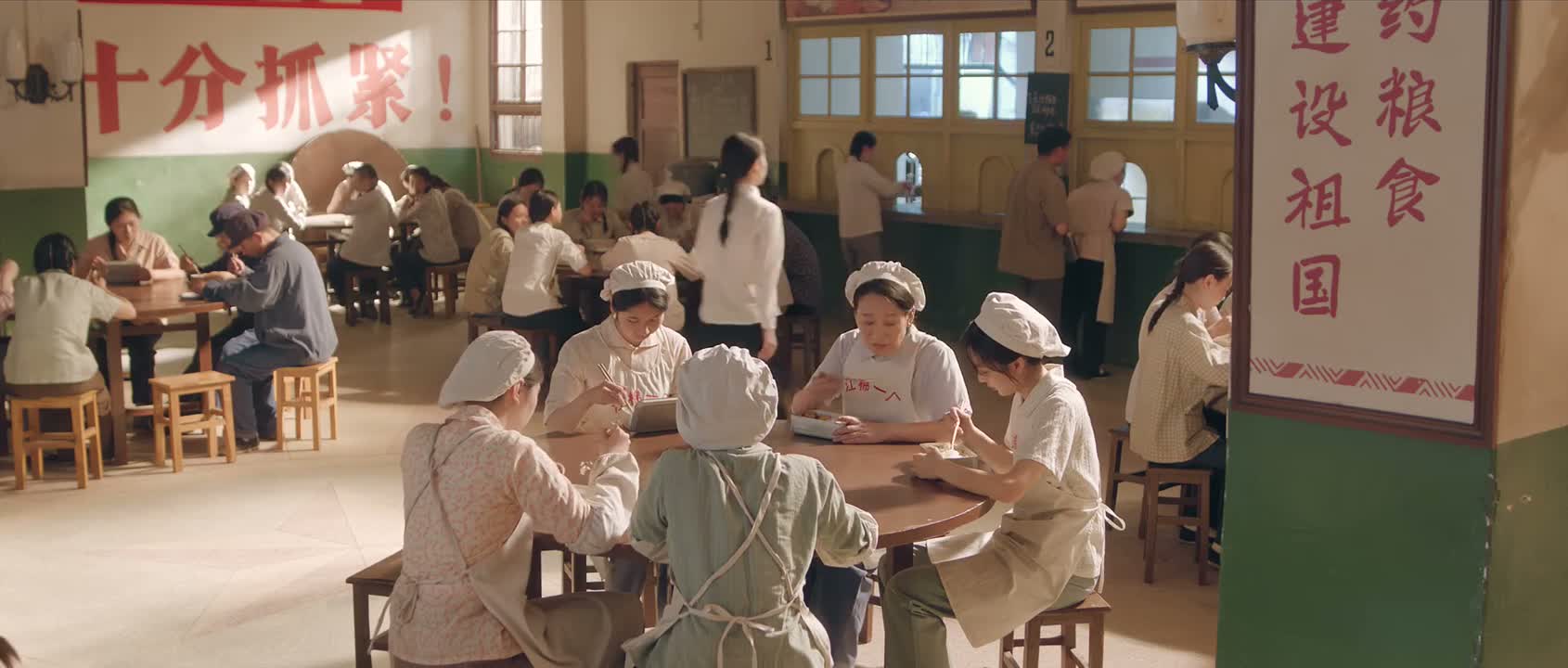
“Let's go together after lunch.”

“It's perfect. Let's go back together.”

“Let's grab lunch together. Yeah. -Why not join us? -Sure.”

“We'll talk about this later. [Jingcheng Friend for Fashion Magazine] Sure. Shall we have dinner together? Okay.”