怎么自己啊 你师父呢
“Why alone? Where's your master?”
THE DIALOGUE REEL
一定要注意安全
“Stay safe out there.”
怎么自己啊 你师父呢
“Why alone? Where's your master?”
开会去了
“In a meeting.”
“Why are you on your own? Shouldn't your mentor be here supervising you?”
In traditional trades, police forces, and modern workplaces, the mentorship system ('chuan bang dai', meaning passing down experience and guiding novices) is widespread. Newcomers are typically paired with experienced mentors ('shifu'), reflecting professional camaraderie, guidance, and mutual responsibility.
LEARNING CHUNKS & PARTICLES
How come you are all by yourself?
In spoken Chinese, the predicate verb (such as 'lai' or 'zuo') is often omitted, using 'zenme + ziji' directly to express concern or surprise that someone is acting or being alone.
Used at the end of a question to soften the tone and add a sense of friendly concern.
Attached to a noun phrase to form an elliptical question asking about someone or something's whereabouts.
VOCABULARY & EXPRESSIONS
Parallel Spoken Cinema Scenes (语义近邻切片)

“Why can my mentor only go by himself now?”

“Your master has extraordinary experience and skills,”

“How did your master teach you?”
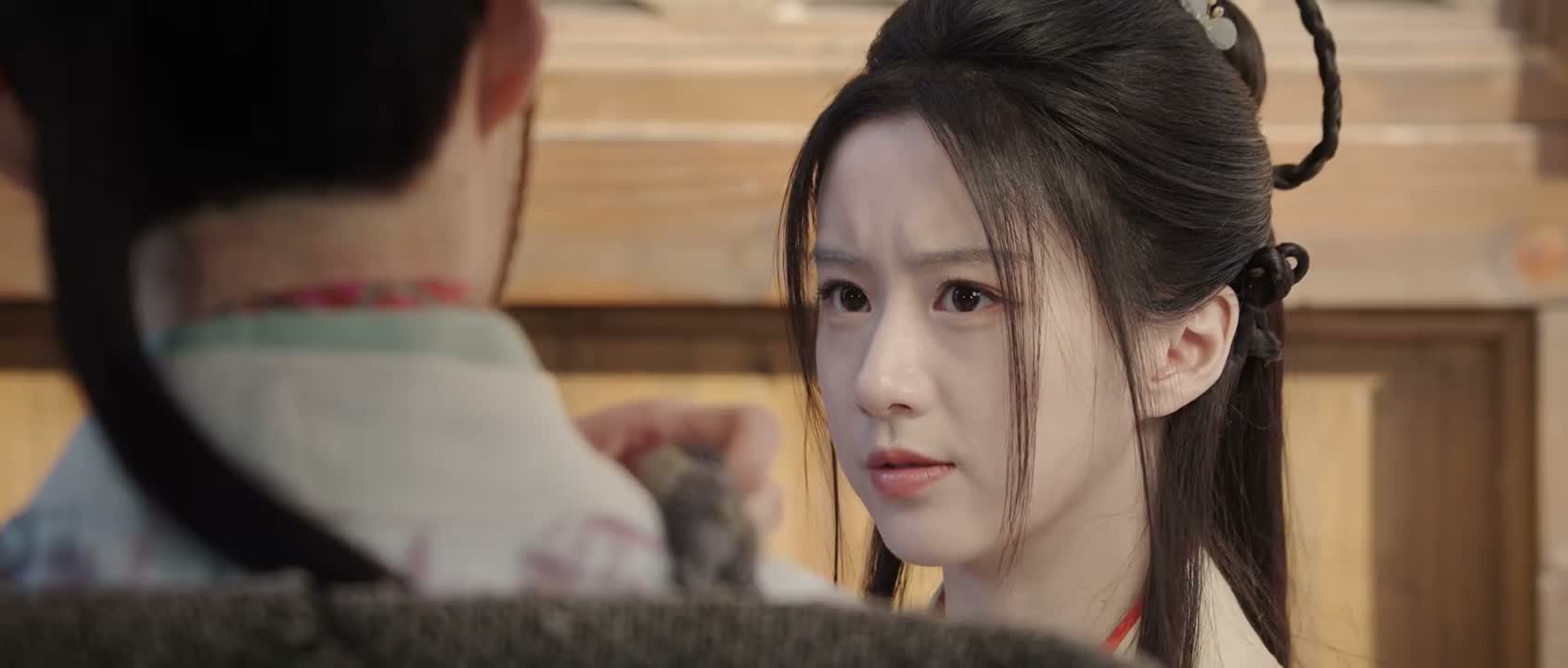
“I have my own way to find master.”
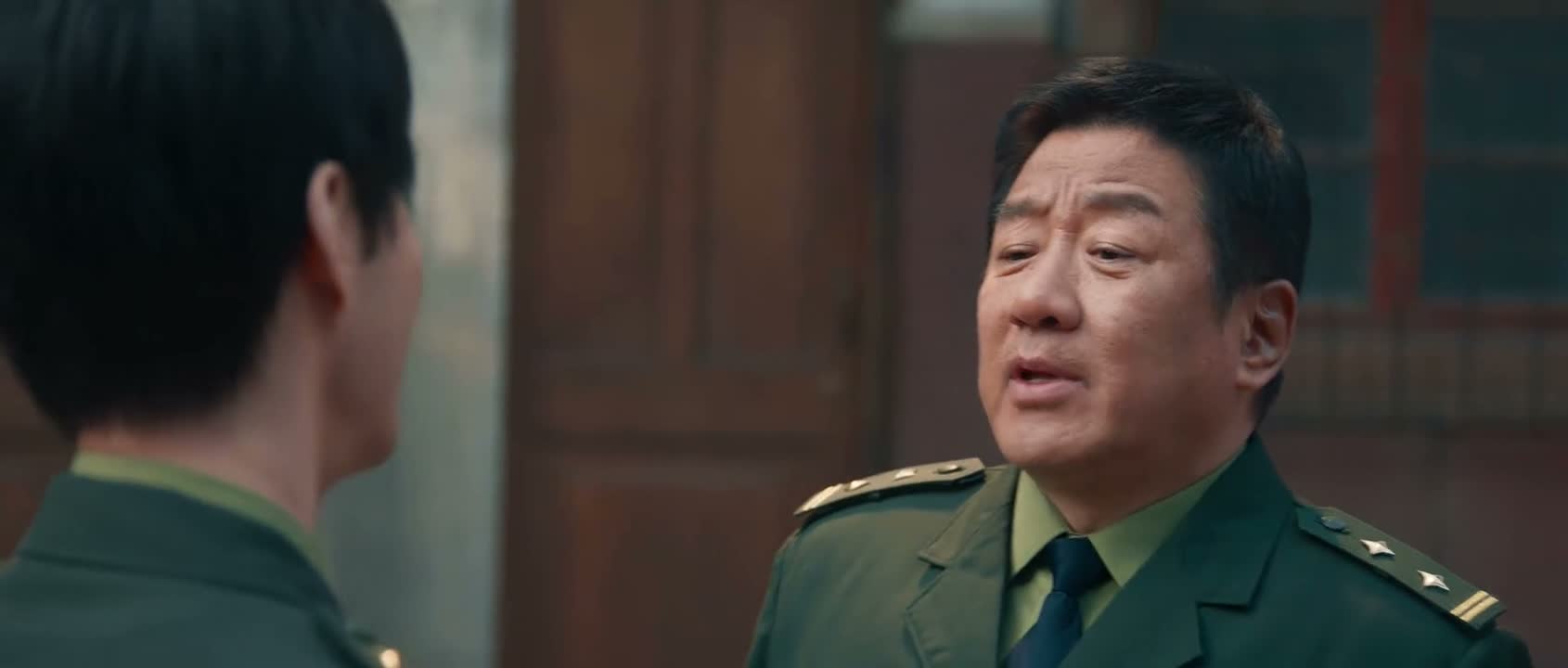
“What tricks could I possibly have?”

“Isn't your master all-knowing? Didn't he teach you?”