MC
MandarinClips Cinema Corpus
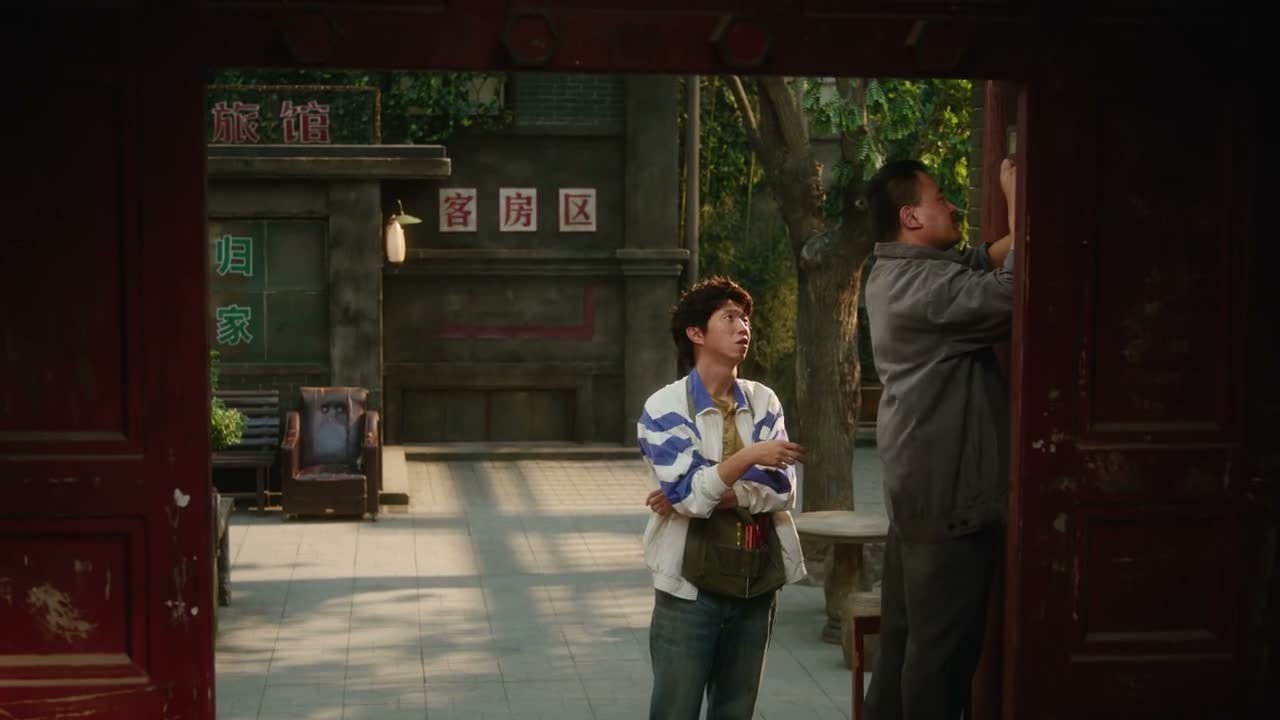
《Road to Success》 S1·E32 (06:20) HSK 4
yě bú shì wǒ shuō le néng suàn de duì ba duì

也不是我说了能算的 对吧 对

“it's not really up to me, is it? Yes.”

《Road to Success》 S1·E32
TIMECODE: 06:20 · 1080P MASTER AUDIO

THE DIALOGUE REEL

1+1+1 SPOKEN CONTINUITY
[-1] PREVIOUS TURN xiàn zài zhè ge qíng kuàng

现在这个情况

“Given the current situation,”

yě bú shì wǒ shuō le néng suàn de duì ba duì CURRENT FOCUS

也不是 我说 了能算的 对吧 对

“it's not really up to me, is it? Yes.”

[+1] FOLLOW-UP TURN wǒ men jiǔ bǐ èr tōng guò

我们九比二通过

“By a vote of 9 to 2,”

Subtitles synced to millisecond timecode Browse Show Clips →
Scene: Workplace
Function: EVADING RESPONSIBILITY AND JUSTIFYING
Tone: DEFENSIVE
WHAT THEY REALLY MEAN (PRAGMATIC SUBTEXT)
“Don't blame me, this isn't my personal call—it's a collective decision.”
💡 Cultural Insight: Collective decision-making and deflecting responsibility

In workplace or institutional communication, when faced with controversial decisions, speakers often cite collective votes or emphasize that it is not up to one person alone in order to downplay personal accountability and avoid interpersonal conflict.

INTENT TAGS: #deflecting responsibility #emphasizing procedure #seeking agreement
🧩

LEARNING CHUNKS & PARTICLES

1 CHUNKS · 1 PARTICLES
说了算 SPOKEN CHUNK

to have the final say; to call the shots

A very common colloquial expression, often used in negative statements like 'not up to someone to decide' or questions like 'who calls the shots?' to indicate who holds decision-making power.

Modal Particle「对吧」 (dui ba) CHANGE OF STATE

Adds a tag question tone, used to seek agreement or logically nudge the listener into accepting one's objective reasoning.
🏮

VOCABULARY & EXPRESSIONS

3 EXPR · 3 GRAMMAR
CROSS-CINEMA CORPUS BOARD · PARALLEL SCENES

Parallel Spoken Cinema Scenes (语义近邻切片)

EXPLORE BY SEMANTIC SIMILARITY
《Road to Success》 S1·E32 (06:20) · Authentic Cinema Dialogue Corpus