可你不是 才在京中买了宅子吗
“But didn't you just buy a mansion in the capital?”
THE DIALOGUE REEL
不必强求同行
“no need to force each other.”
可你 不是 才在京中 买了宅子 吗
“But didn't you just buy a mansion in the capital?”
怎么又要走了
“Why are you leaving?”
“You just bought a house here to settle down, so why on earth are you leaving now?”
In traditional Chinese culture, purchasing property or a residence signifies settling down permanently and establishing a family or career. Leaving right after buying a house usually indicates a major unexpected turn of events or an unusual decision.
Refers to being within the imperial capital, commonly seen in historical dramas or contexts with a period setting.
LEARNING CHUNKS & PARTICLES
indicates a very short time interval between two events, often conveying surprise or unexpectedness
Used in spoken Chinese to emphasize that something happened too quickly or unexpectedly, frequently paired with interrogative or rhetorical questions.
a rhetorical question pattern used to confirm an established fact or remind the listener
Used to question or confirm when the speaker assumes the listener knows a certain fact, yet the listener's action contradicts it.
placed at the end of a rhetorical question to heighten the tone of doubt and inquiry
VOCABULARY & EXPRESSIONS
Parallel Spoken Cinema Scenes (语义近邻切片)
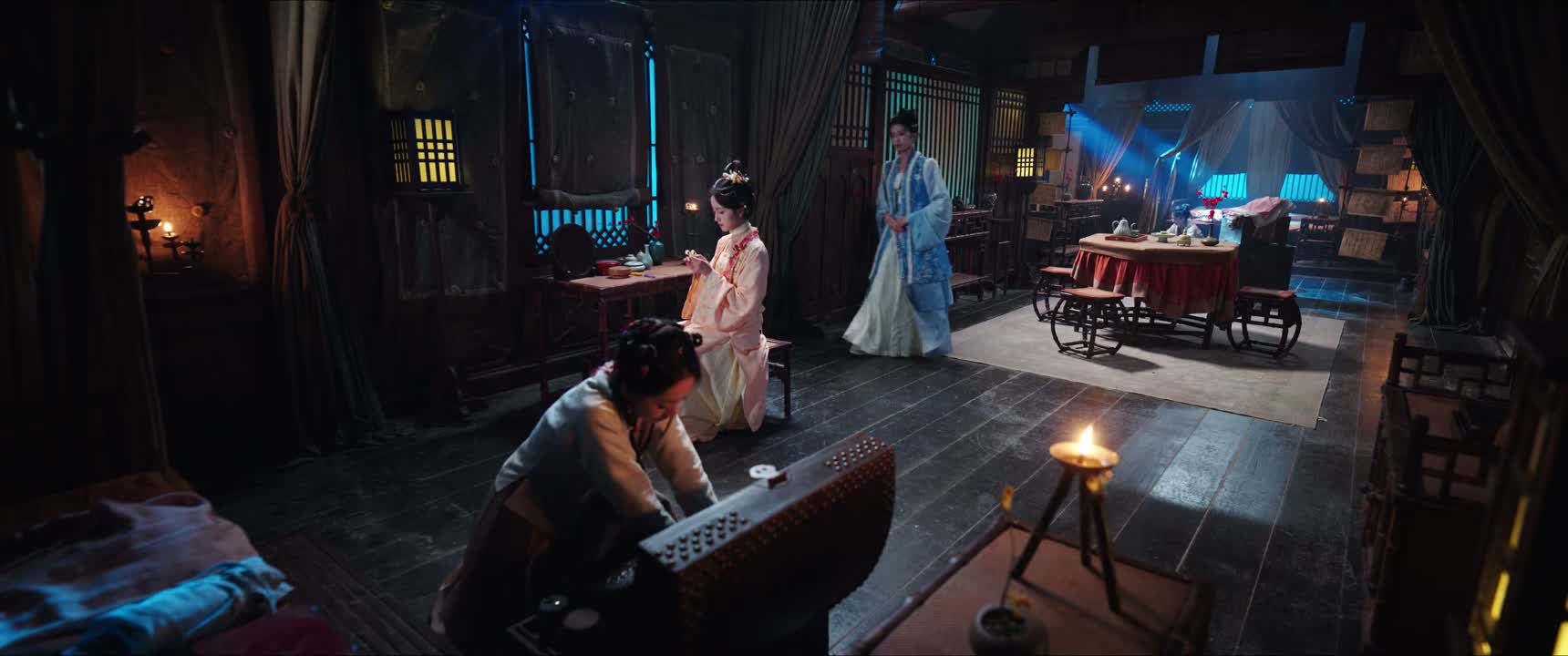
“weren't you the most eager to enter the capital?”

“Of course, to live in.”

“Who exactly do you buy a house for?”

“I think you should quit your job at Jingzhao Prefecture.”

“You'll need to buy a new house in a new place.”
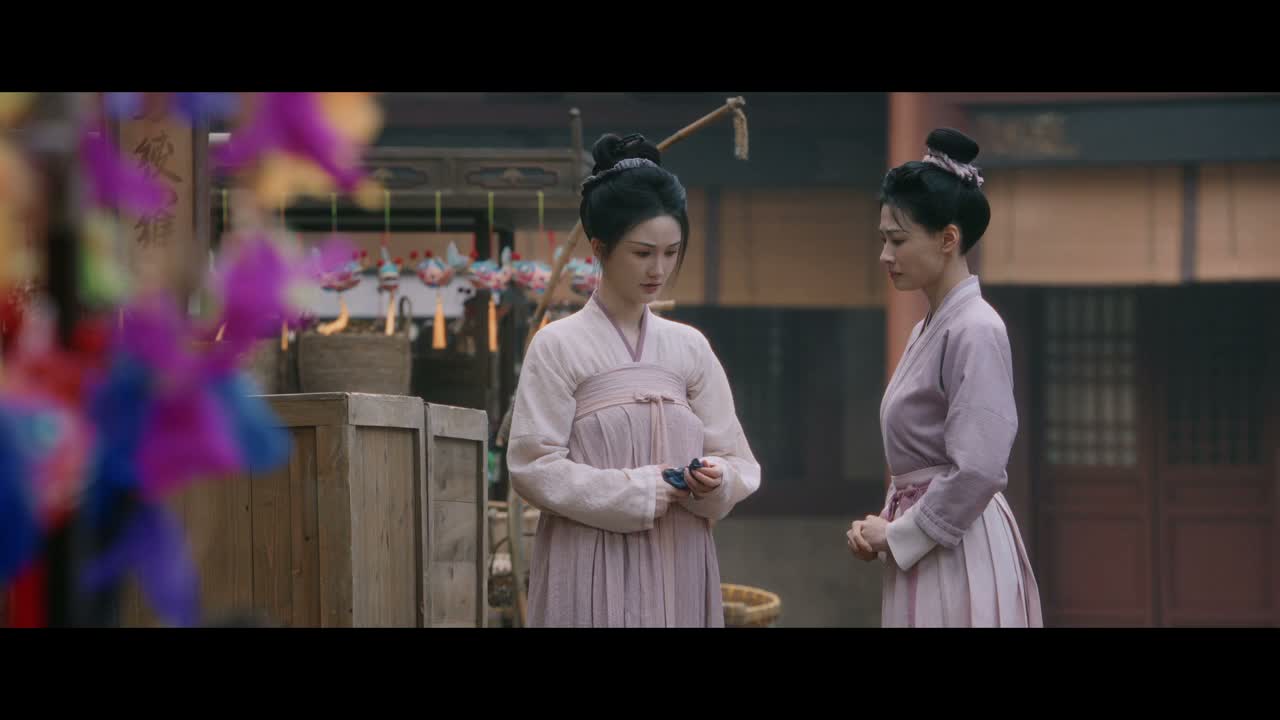
“Western Capital isn't a place for you.”