师兄明日何时启程 我去送你
“When will you depart tomorrow? I'll see you off.”
THE DIALOGUE REEL
好大的雨呀
“What a heavy rain.”
师兄明日 何时启程 我去 送你
“When will you depart tomorrow? I'll see you off.”
不必了
“No need.”
“I care about you and want to spend these final moments seeing you off.”
An honorific term for a male apprentice who shares the same master or sect and is either older or joined earlier. It is widely used in traditional sects, master-disciple lineages, and modern academic or martial lineages.
Traditional Chinese culture places great importance on parting. Seeing someone off is not merely a formality of etiquette, but also an important way to express deep bonds between peers or between master and disciple.
LEARNING CHUNKS & PARTICLES
when to set off
A relatively formal, literary expression commonly heard in costume period dramas or formal written contexts. In everyday speech, 'shenme shihou zou' or 'shenme shihou chufa' is more frequently used.
I will see you off
Commonly used in interpersonal interactions to show courtesy, warmth, and affection toward someone who is leaving.
VOCABULARY & EXPRESSIONS
Parallel Spoken Cinema Scenes (语义近邻切片)
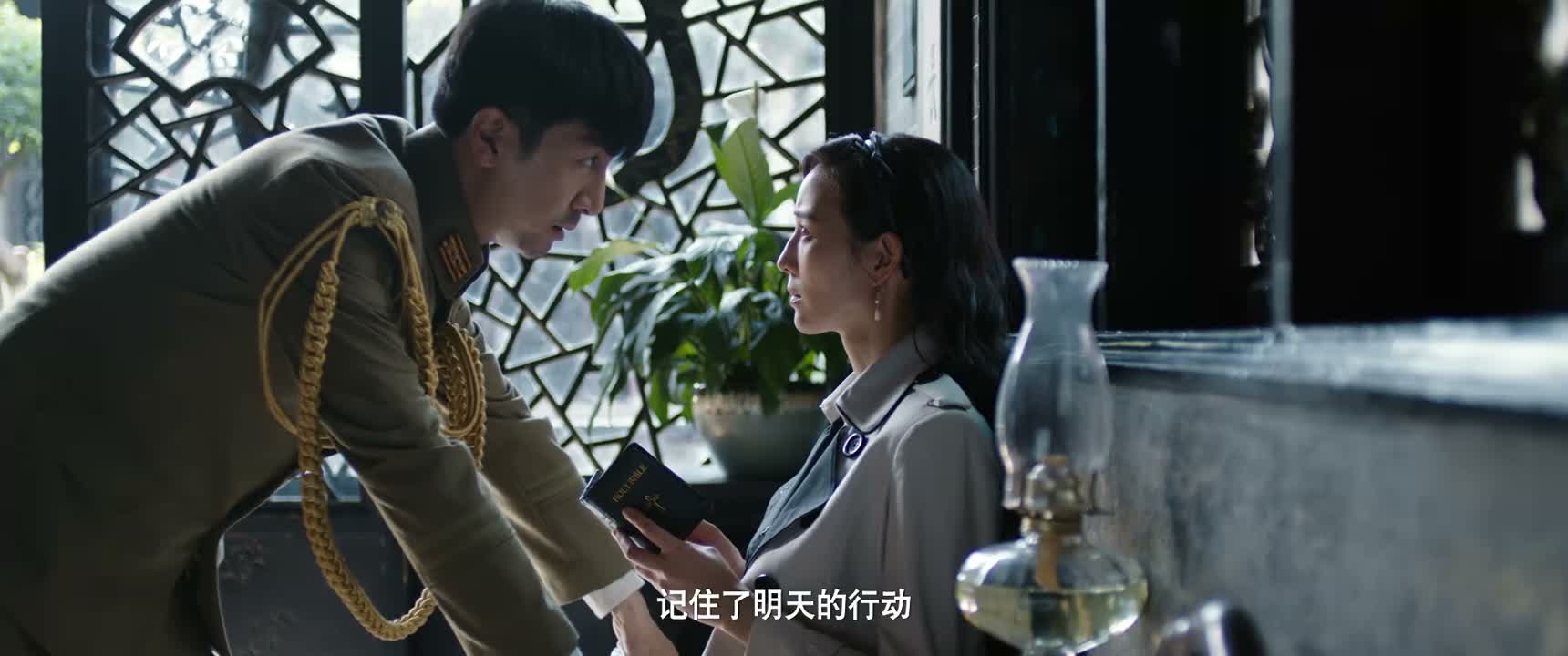
“Remember, for tomorrow's operation,”

“I'll leave in the morning. I can't.”

“tomorrow we're going to the freight company. Okay.”
“Starting tomorrow,”

“You start officially tomorrow.”

“I'm leaving early tomorrow morning.”