天子无私恩
“(The emperor has no private favors,)”
THE DIALOGUE REEL
天子无私恩
“(The emperor has no private favors,)”
亦无家事
“(nor any household affairs.)”
“The Emperor cannot act on personal favor; national justice and statecraft supersede all private sentiment.”
A core principle of ancient Chinese Legalist and Confucian monarchical governance. The emperor embodies the public power of the state; thus, personal matters like marriage and succession directly concern the dynasty and must not be guided by private affection or familial sentiment.
LEARNING CHUNKS & PARTICLES
The emperor must govern, reward, and punish purely out of public duty without granting personal favors.
A frequent political maxim in historical dramas or contexts, often paired with 'the Emperor has no private family affairs' ('tian zi wu jia shi') to convey either supreme royal impartiality or the inherent ruthlessness of imperial rule.
VOCABULARY & EXPRESSIONS
Parallel Spoken Cinema Scenes (语义近邻切片)

“Thank Your Majesty.”

“-Your Majesty is a wise ruler! -Your Majesty is a wise ruler!”

“I can only repay His Excellency's”

“Your Majesty, as the Emperor,”
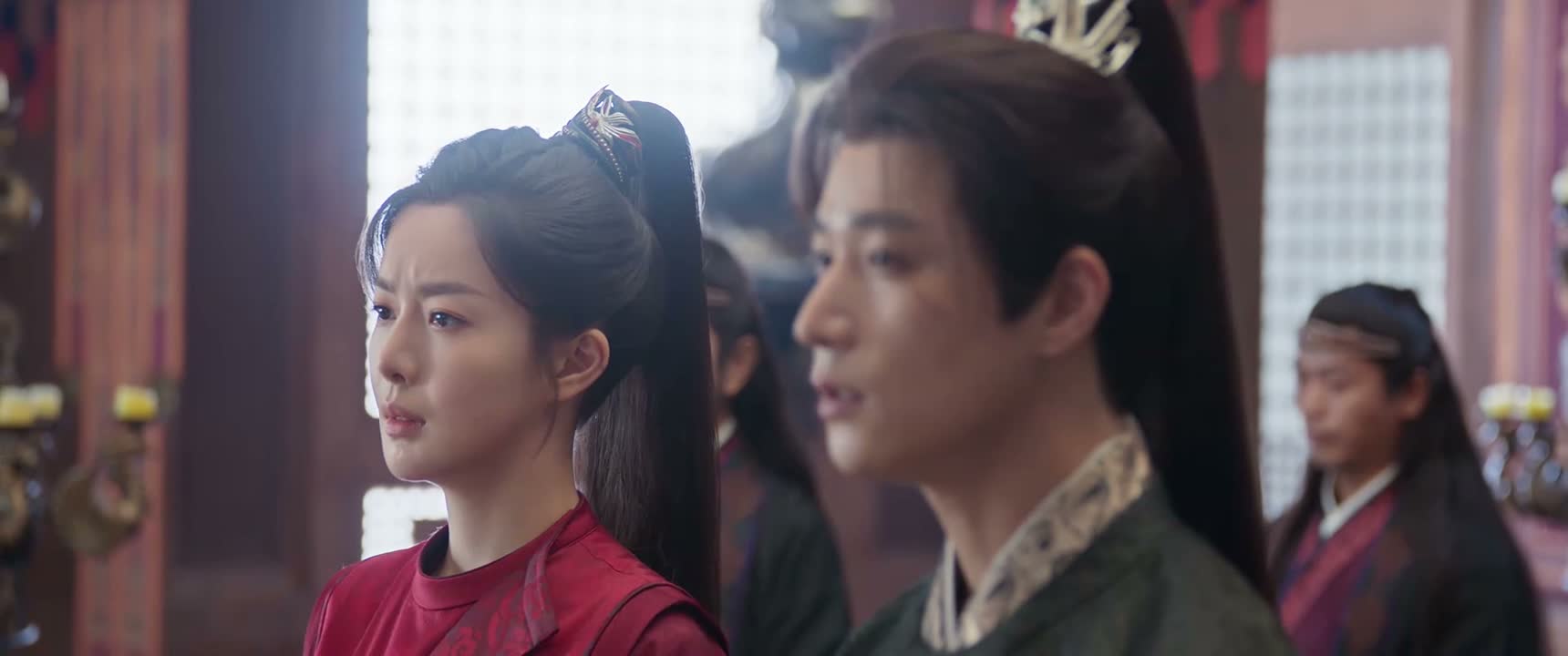
“He's holding their king hostage to blackmail the officials,”

“Benevolence can rule the nation.”