魏山长真能干 你别拿我打趣了
“Headmaster Wei, you're so capable. Don't make fun of me.”
THE DIALOGUE REEL
焕然一新啊
“It looks completely new.”
魏山长真能干 你 别拿 我 打趣 了
“Headmaster Wei, you're so capable. Don't make fun of me.”
皇上要重开离山书院 这圣旨到我手里不足半月
“His Majesty wants to reopen Lishan Academy. I received the imperial edict just weeks ago.”
“Stop teasing me with your flattering words; it was actually a rush job.”
The head lecturer or principal of an ancient Chinese academy (shuyuan), equivalent to a modern school principal or chancellor.
When praised, Chinese people often modestly deflect compliments using phrases like 'bie daqu wo le' ('stop teasing me') or 'nali nali' ('not at all') to show humility and courtesy.
LEARNING CHUNKS & PARTICLES
to make fun of someone; to tease someone
Frequently used among acquaintances for playful banter, or as a modest deflection when receiving compliments, typically in the negative pattern 'bie na wo daqu le' ('don't tease me').
really capable; very competent
A highly frequent colloquial compliment used to praise someone's strong practical abilities or high efficiency.
Placed at the end of an imperative sentence ('bie ... le') to urge someone to stop their current speech or action.
VOCABULARY & EXPRESSIONS
Parallel Spoken Cinema Scenes (语义近邻切片)

“Headmaster, stop using these little tricks to fool me.”
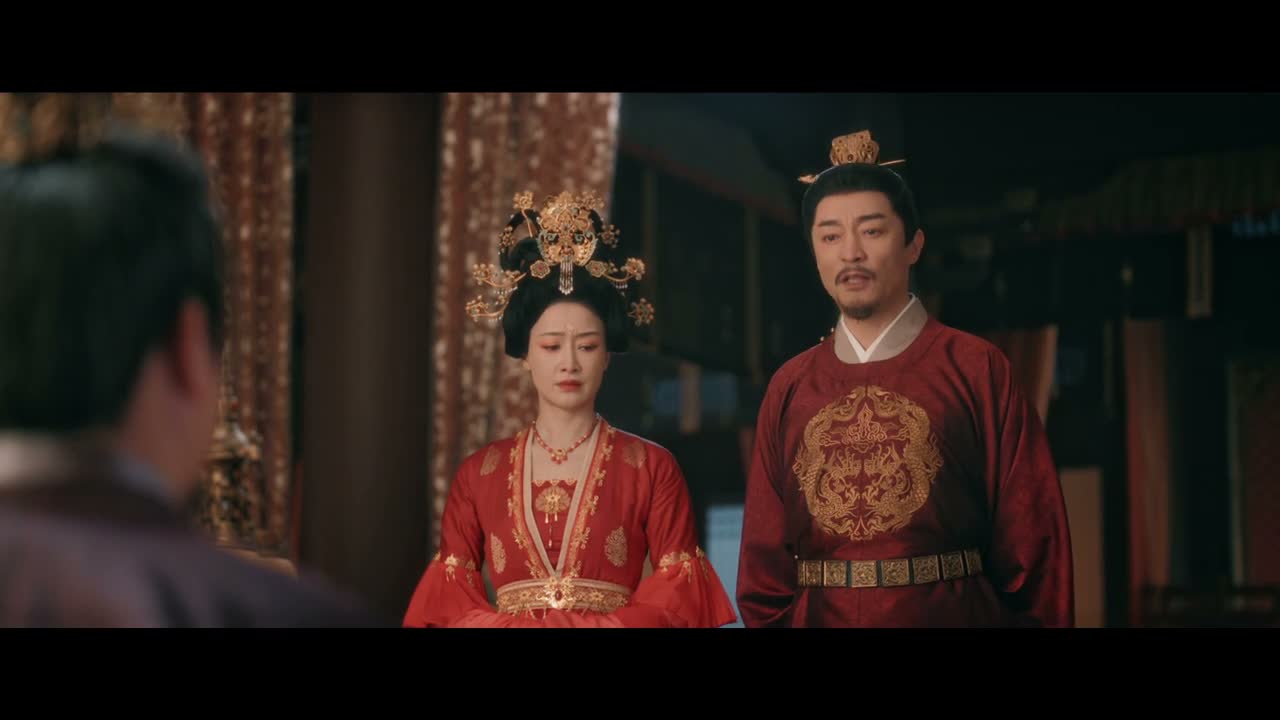
“you've grown bold, huh?”
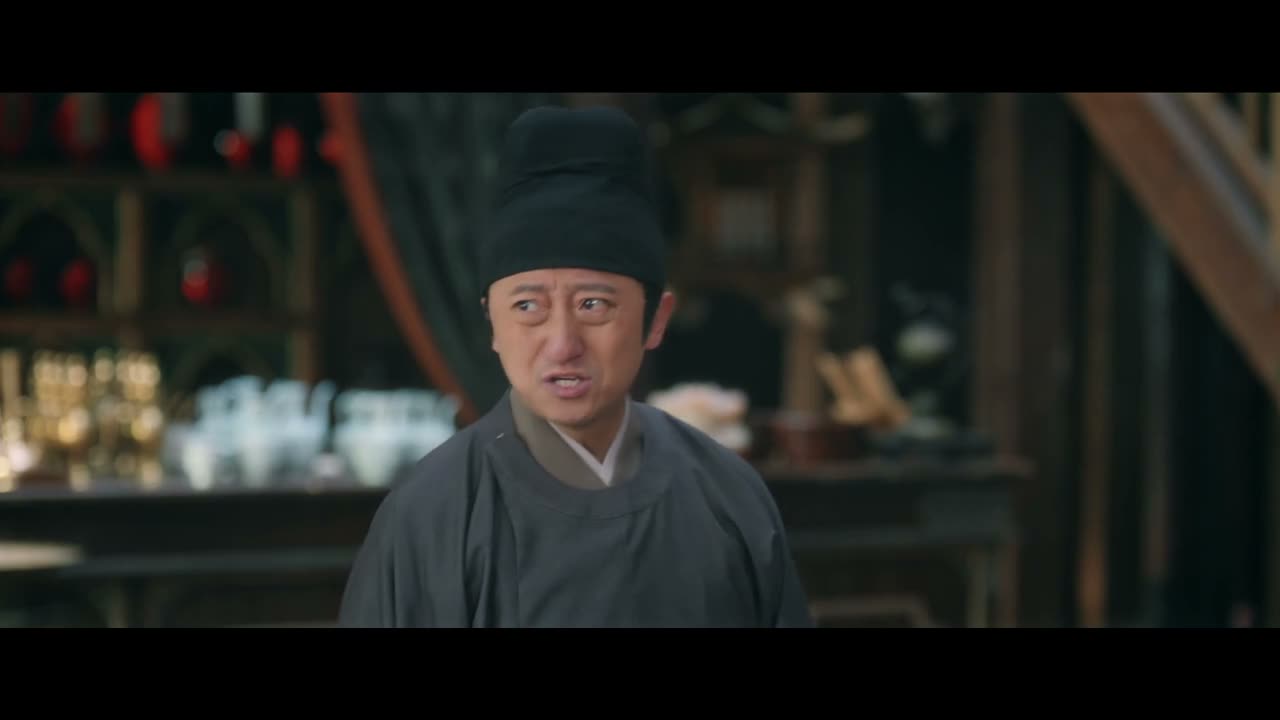
“What immortal master? He's a fraud!”
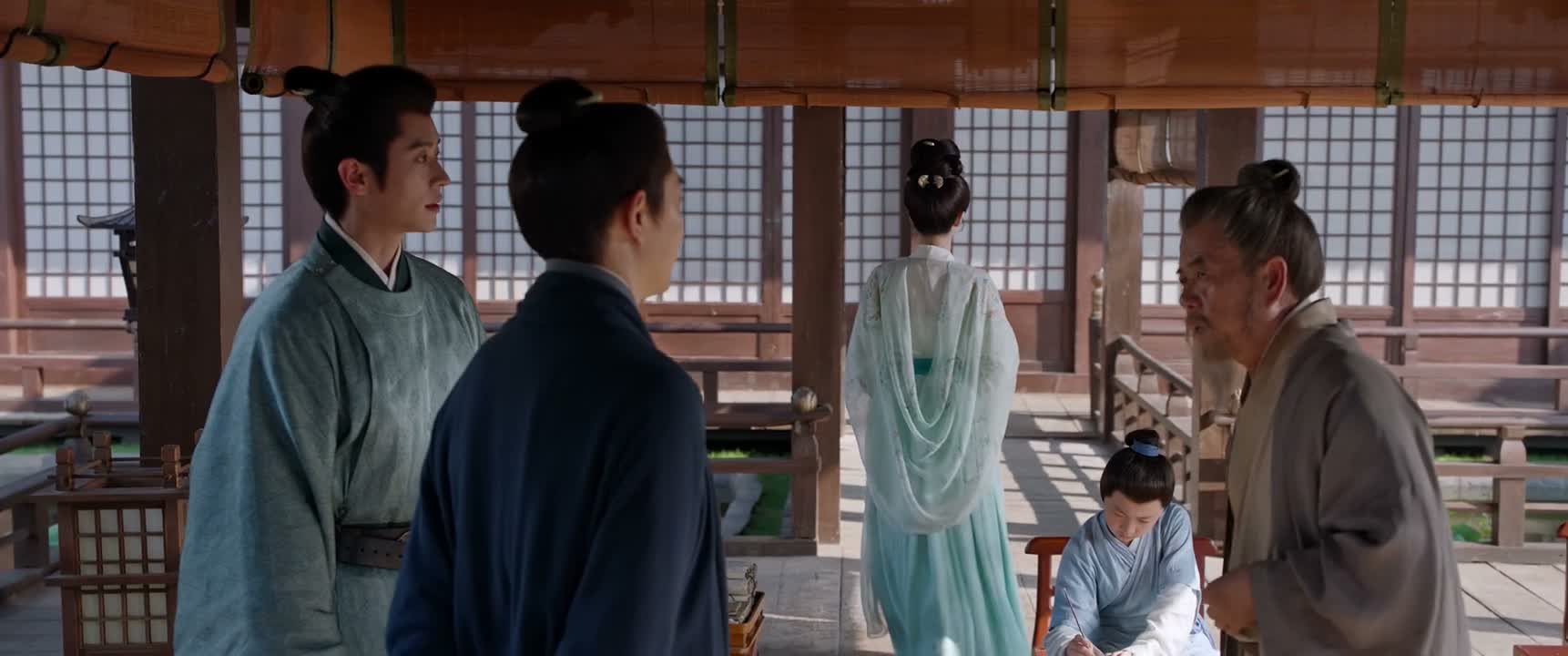
“Now, thanks to Headmaster Wei,”
“Headmaster, what brings you here suddenly?”

“Wei Yan has become emboldened!”