我要走了 离开京城
“I'm leaving. I'll leave the capital.”
THE DIALOGUE REEL
我要走了 离开 京城
“I'm leaving. I'll leave the capital.”
这些银钱你留着
“Keep the money.”
“I'm leaving the capital for good, and this is farewell.”
'Jingcheng' refers to the capital city of an imperial dynasty, serving as the center of politics and power; 'yinqian' refers to silver currency, a standard form of money in ancient China. Leaving the capital accompanied by gifts of travel funds reflects either deep emotional support or a decisive parting in ancient farewell customs.
LEARNING CHUNKS & PARTICLES
to leave the imperial capital
A high-frequency expression in period dramas, commonly used in scenes of farewell, political exile, fleeing, or withdrawing from public life.
I am leaving / I am about to go
A very common farewell precursor in both everyday speech and dramas, signaling one's intention or decision to depart.
VOCABULARY & EXPRESSIONS
Parallel Spoken Cinema Scenes (语义近邻切片)
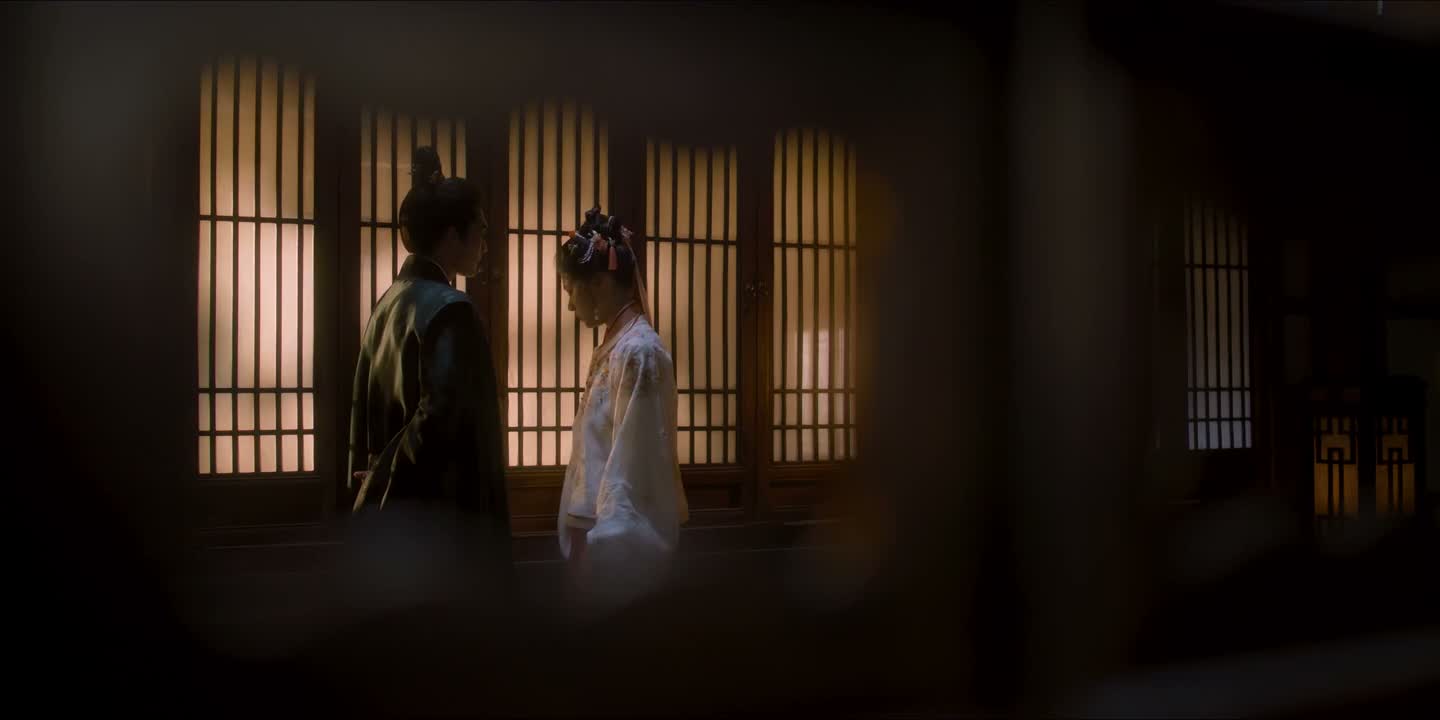
“I have to go. I have already explained to my mentor.”

“♪ There's no need to ask questions in the maze ♪ I'm leaving. Don't follow me.”

“Has she left? No.”

“I'm leaving. Hurry home. Don't wander around outside.”
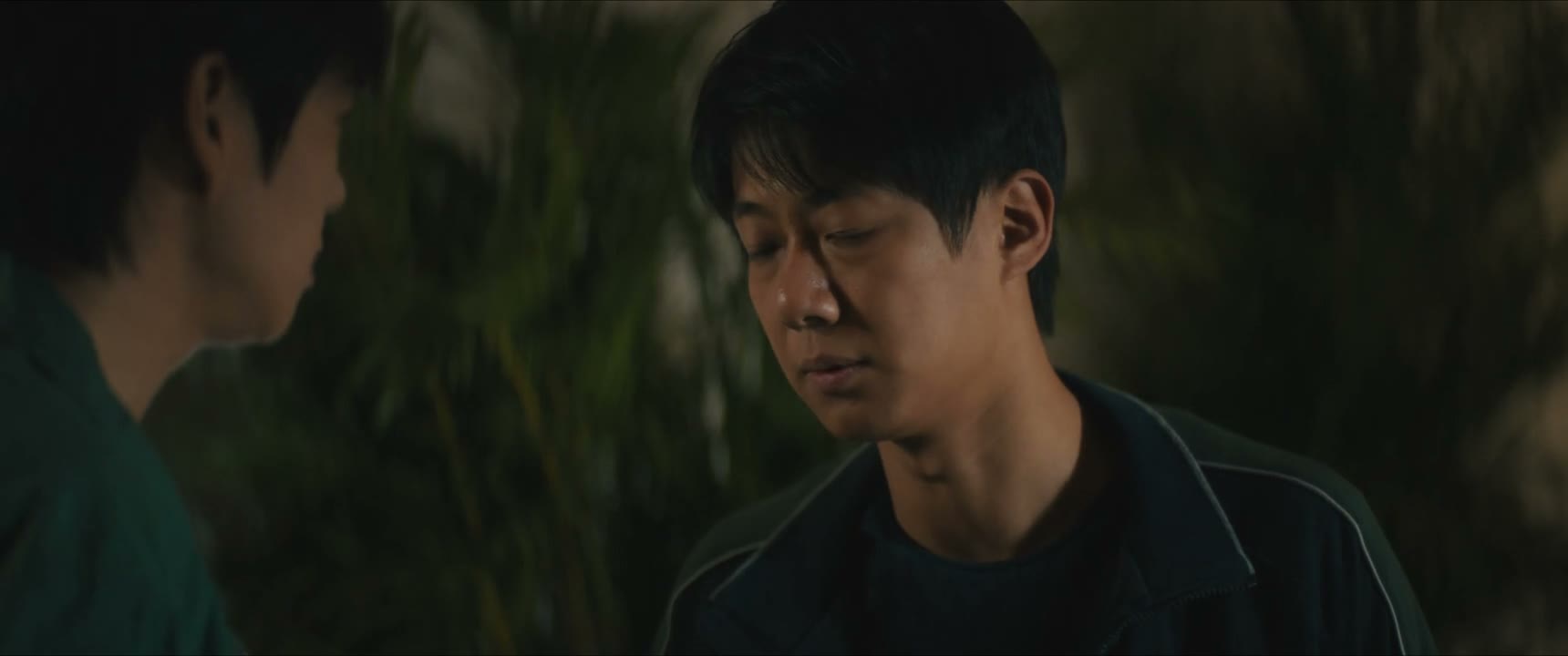
“If I leave, what about my mom?”
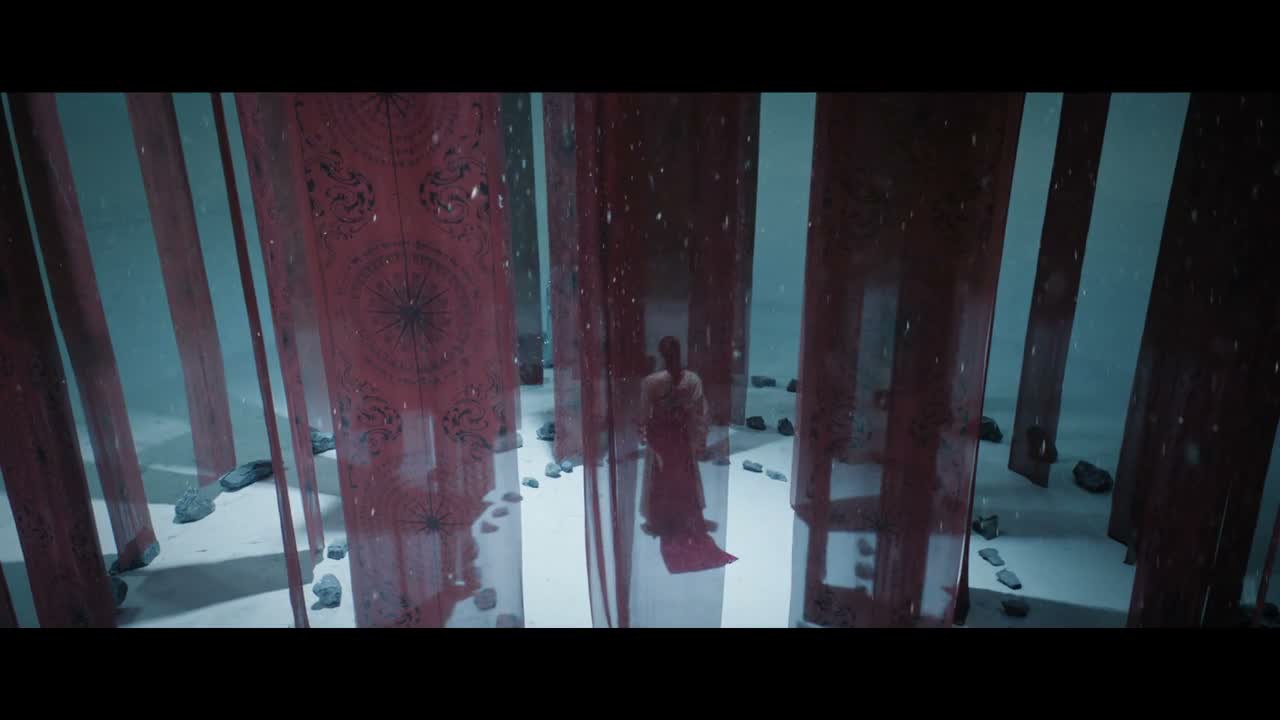
“Now I have to go.”