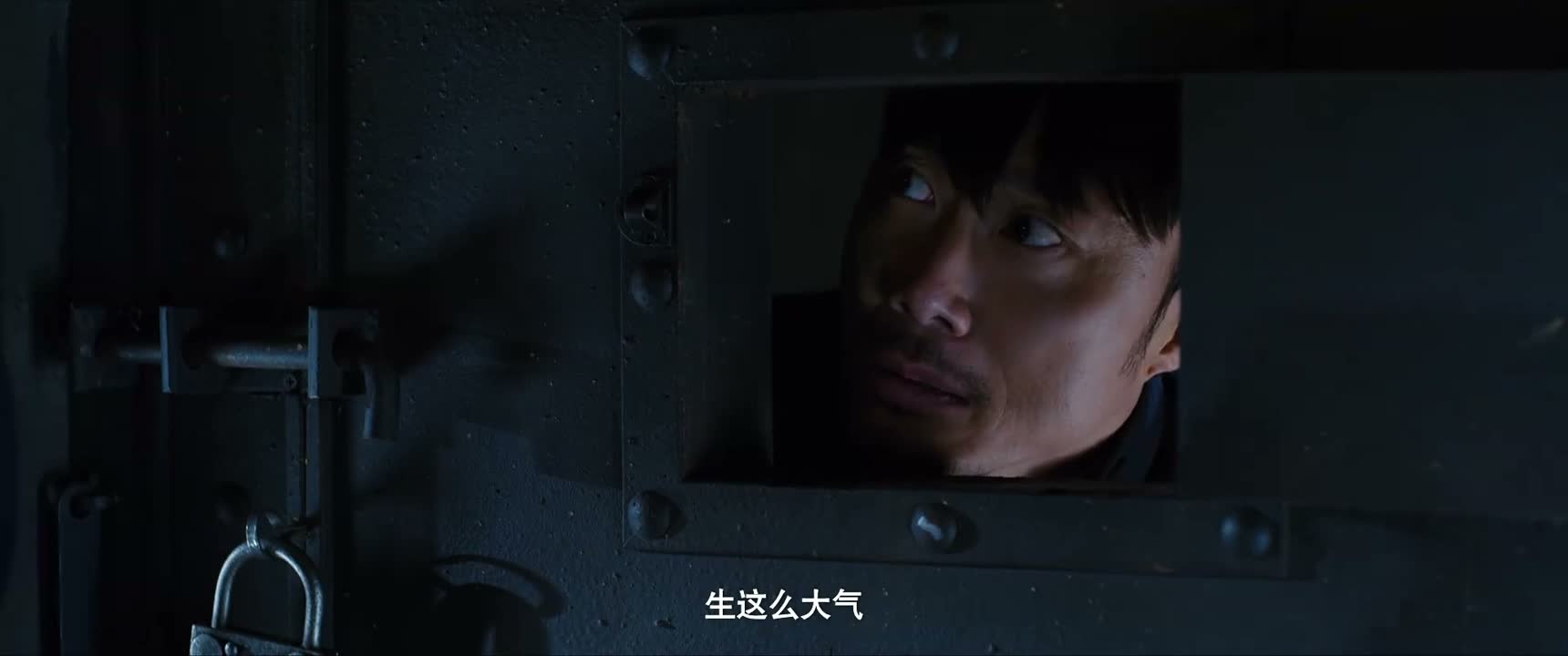
怎么生这么大气啊
“Why are you so angry?”
THE DIALOGUE REEL
现在这样算什么
“What do you mean now?”
怎么 生这么大气 啊
“Why are you so angry?”
“Why are you so upset? Come on, tell me what's wrong.”
In Chinese interpersonal interactions, especially within intimate relationships, one party often expresses dissatisfaction by denying anger (e.g., 'Am I angry? I'm not angry!'), while the other party often asks 'zen me sheng zhe me da qi a' (why are you so angry?) as a starting point to probe the issue and soothe emotions.
LEARNING CHUNKS & PARTICLES
get so angry / lose one's temper so much
The degree modifier 'zhe me da' (so great) is inserted into the separable verb 'sheng qi' (to get angry) to emphasize the intensity of the anger; very frequent in casual speech.
how come... / why...
Often used for questions conveying concern or bewilderment, sounding much softer and more natural than simply asking 'wei shen me' (why).
Used at the end of a question to soften the tone, turning what could sound like an interrogation into a gentle, caring inquiry.
VOCABULARY & EXPRESSIONS
Parallel Spoken Cinema Scenes (语义近邻切片)
“this angry himself.”

“Seriously? What's wrong with this guy?”

“so angry?”

“You seem pretty tough.”

“are you so good-looking?”

“How did you get yourself into this state?”