致使朝野惶惶 人心离散
“causing panic throughout the court, and disunity among people.”
THE DIALOGUE REEL
牵连无辜
“implicating the innocent,”
致使 朝野惶惶 人心离散
“causing panic throughout the court, and disunity among people.”
二罪
“The second crime,”
Direct spoken expression in this communicative setting.
In ancient China, this referred to both the imperial court and the general public; in political discourse, it encompasses the entire society, including both the ruling class and ordinary citizens.
A formal method of presenting accusations sequentially (e.g., 'first offense', 'second offense') common in ancient political trials, reflecting the solemnity, legal formality, and authority of the feudal judicial system.
LEARNING CHUNKS & PARTICLES
People's loyalty and unity are shattered; public morale and allegiance disintegrate.
Mainly used in formal written language or historical drama contexts to describe political instability or factional collapse.
Both the court and the populace are plunged into panic and unease.
A formal, literary set phrase often used to criticize the disastrous fallout of a political decision.
VOCABULARY & EXPRESSIONS
Parallel Spoken Cinema Scenes (语义近邻切片)

“But now morale is broken.”
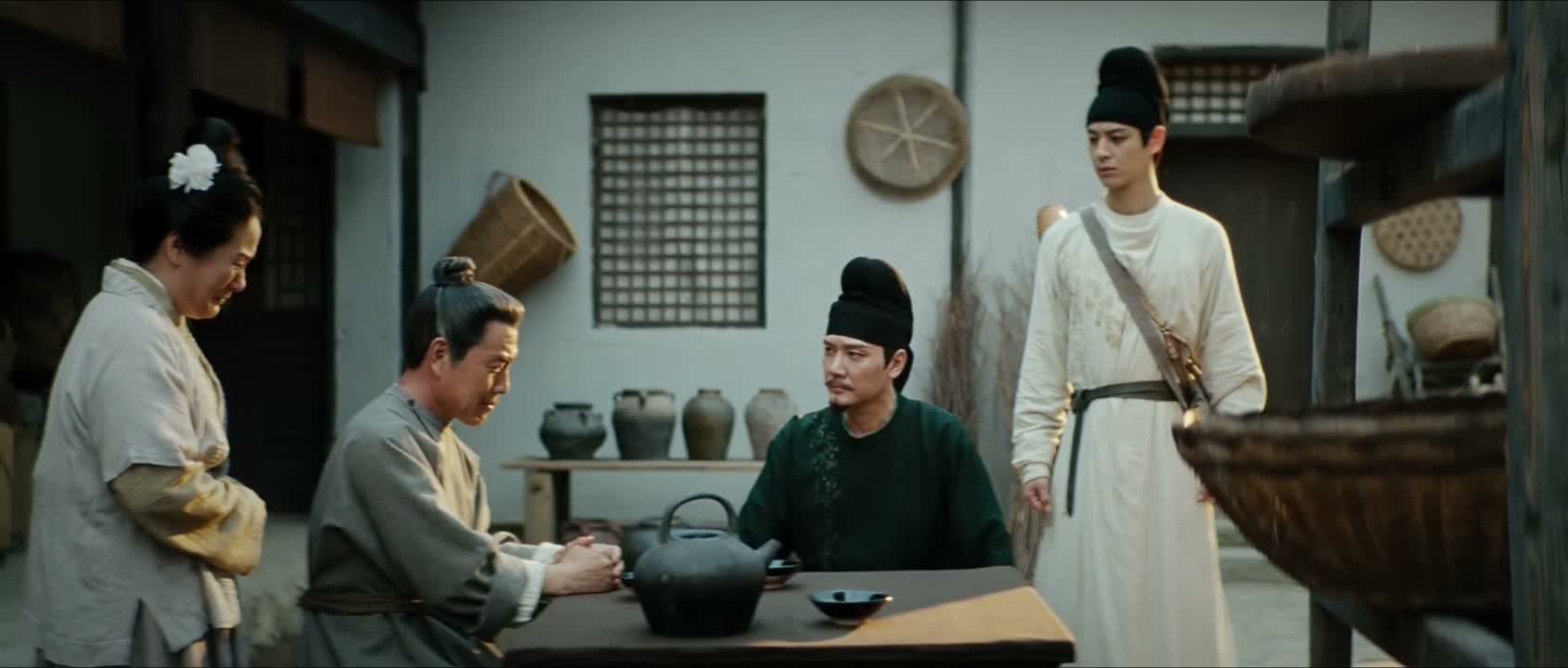
“(Yafang Pavilion) People are terrified now.”

“The whole Court is talking about it.”

“Given the current treacherous situation at court,”
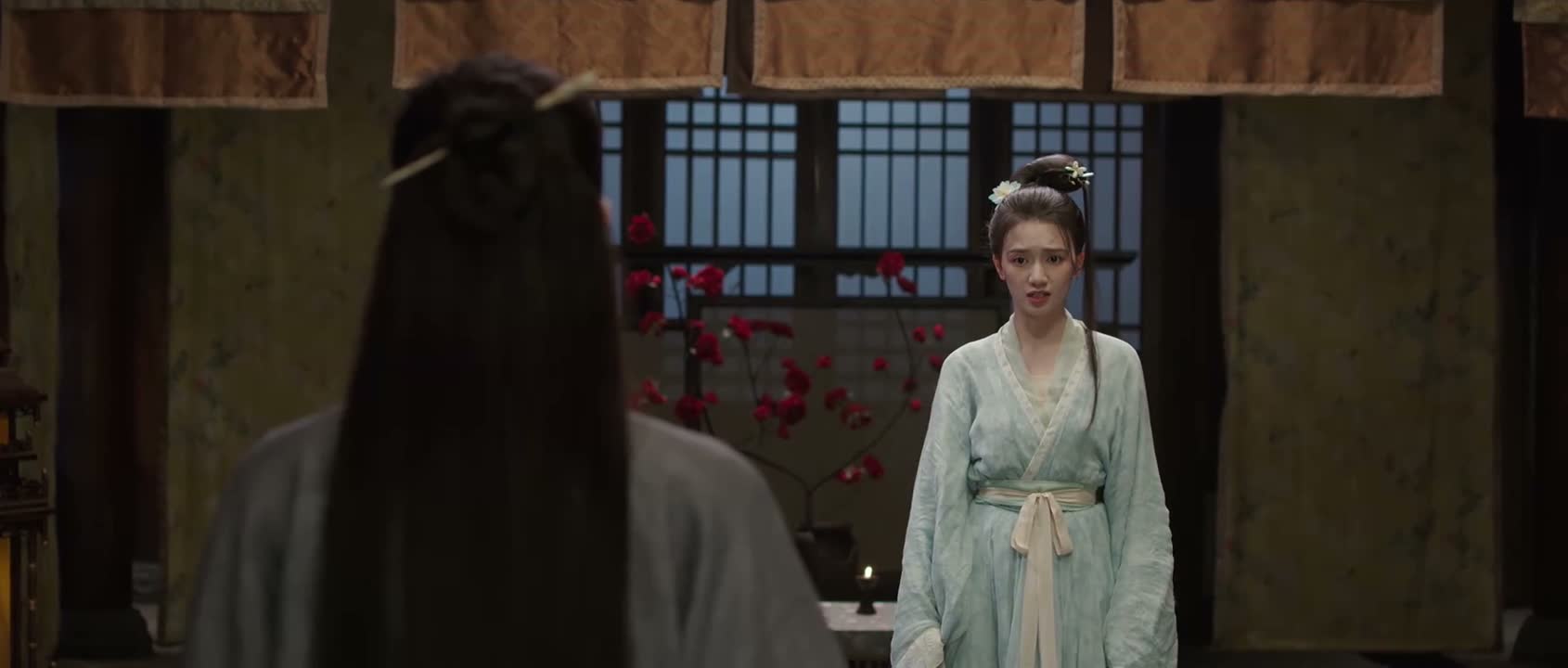
“causing widespread panic.”

“However, the royal court is in chaos right now.”