总是要有取舍
“Someone has to make sacrifice.”
THE DIALOGUE REEL
却又最残忍的一种方式 世事两难全
“yet cruelest method. You can't please everyone.”
总是要 有取舍
“Someone has to make sacrifice.”
舍农人之田
“Sacrificing farmers' fields”
“Sacrifices must be made, so sacrificing the commoners' land is an unavoidable necessity.”
Stemming from traditional Chinese philosophy (such as Mencius's principle 'yu yu xiong zhang bu ke jian de'—you cannot have both fish and bear's paw), this concept emphasizes decisive thinking that weighs pros and cons and prioritizes the greater good in statecraft and personal cultivation.
LEARNING CHUNKS & PARTICLES
Worldly matters can rarely be completely perfect or satisfy all sides simultaneously.
Used in both written and spoken language as a resigned sigh when confronting a dilemma.
To make trade-offs by deciding what to keep and what to relinquish.
Frequently used in formal discourse, strategic decision-making, or philosophical explanations.
VOCABULARY & EXPRESSIONS
Parallel Spoken Cinema Scenes (语义近邻切片)

“there are things I must give up...”

“One must sacrifice to gain.”
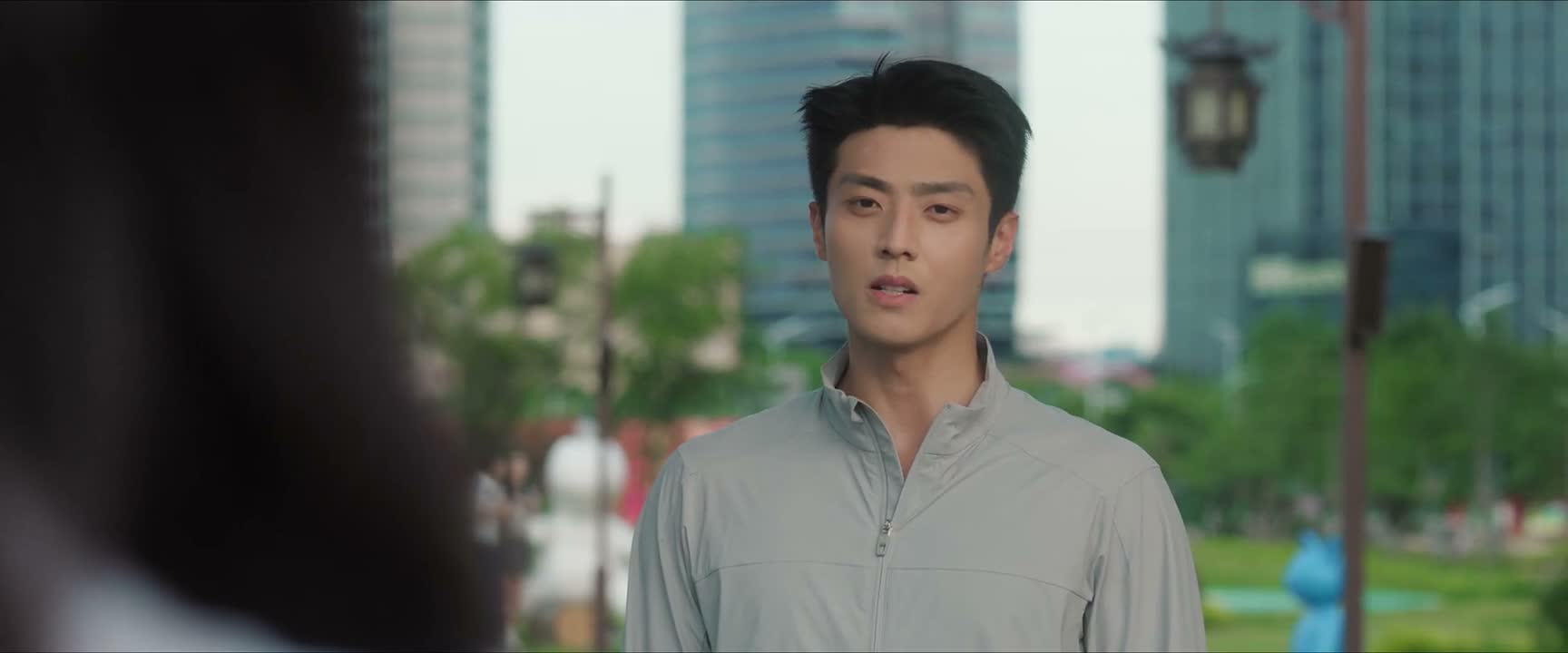
“you can't have your cake and eat it too in life.”

“and you may need to find a balance.”

“I had to make a choice.”